
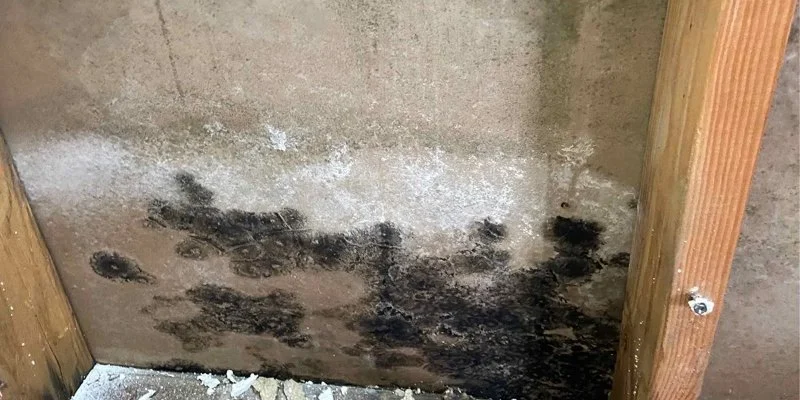
How to Prevent Mold Growth After Water Damage in Your Basement
- 1-Understanding the Cause of Mold Growth
- 2-Step-by-Step Prevention Methods
- 3-Common Mistakes to Avoid in Mold Prevention
- 4-Real-Life Case Study: Effective Mold Prevention
1. Understanding the Cause of Mold Growth
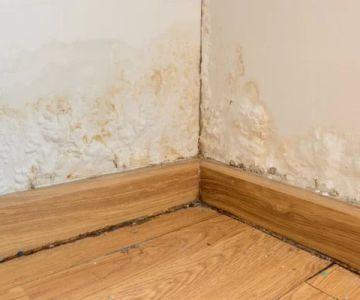
Water damage in your basement can lead to the growth of mold, which thrives in moist, warm, and dark environments. When water seeps into your basement, whether through cracks in the foundation or leaking pipes, it creates an ideal breeding ground for mold. Over time, mold can not only damage the structure of your home but can also impact indoor air quality, causing health problems for the inhabitants.
The most common cause of mold growth after water damage is poor ventilation. Basements often have limited airflow, which can trap moisture inside, making it harder for the space to dry out. Furthermore, organic materials like wood, drywall, and carpet, which are often found in basements, serve as a food source for mold, accelerating its growth.

Kustom US Restoration / kustom restoration
1215 W Houston Ave Suite A, Gilbert, AZ 85233, USA
2. Step-by-Step Prevention Methods
2.1. Addressing the Source of Moisture
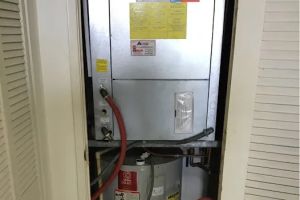
The first and most important step in preventing mold is addressing the water issue. Make sure that the source of moisture is fixed as soon as possible. This could involve repairing leaky pipes, sealing foundation cracks, or ensuring that gutters and downspouts are directing water away from your home.
SERVPRO of Pompano Beach / servpro fort lauderdale south
Pompano BeachBroward CountyFlorida
2101 NW 33rd St #200a, Pompano Beach, FL 33069, USA
2.2. Improve Ventilation
Proper ventilation is key to drying out a basement and preventing mold growth. Consider installing vents or an exhaust fan to increase airflow. Using a dehumidifier can also help to keep the humidity level in check, making it harder for mold to form. In extreme cases, you might need to install a sump pump to remove water from the basement effectively.
2.3. Use Mold-Resistant Materials
If you're planning renovations or repairs, consider using mold-resistant materials. Specially designed drywall, insulation, and flooring are made to withstand moisture better than traditional materials, significantly reducing the likelihood of mold growth.
2.4. Clean and Dry the Area Thoroughly
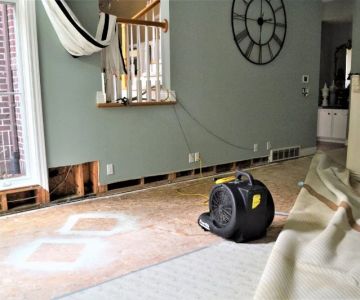
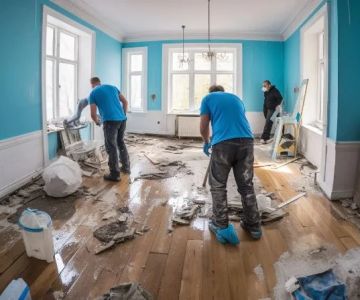
After addressing the source of water, you should clean and dry the affected area thoroughly. Use a wet/dry vacuum to remove excess water, followed by fans and dehumidifiers to dry the space. Ensure that all damp materials are removed, and if any materials like drywall or carpet are too damaged, it’s best to replace them.
3. Common Mistakes to Avoid in Mold Prevention
3.1. Ignoring Small Leaks
One common mistake homeowners make is ignoring small leaks. Even small amounts of water can lead to significant mold problems if not addressed promptly. It’s important to inspect your basement regularly and fix any leaks as soon as they occur.
3.2. Failing to Monitor Humidity Levels
Many people overlook the importance of monitoring humidity levels in their basements. Keeping the humidity level below 60% is ideal for preventing mold growth. A hygrometer is a useful tool to help you track humidity levels and adjust your dehumidifier settings accordingly.
3.3. Relying Too Much on Chemicals
While there are many mold removal chemicals available, they only address the surface-level issue. They don’t solve the underlying problem of moisture. It's important to also address the root cause of moisture to prevent the mold from returning.
4. Real-Life Case Study: Effective Mold Prevention
Let’s take a look at a real-life example. A family in Boston experienced significant water damage after a heavy rainstorm. Water leaked through cracks in the foundation and into their basement, creating a perfect environment for mold growth. They followed a comprehensive mold prevention plan, including sealing the cracks, improving ventilation with a new exhaust fan, and using mold-resistant paint on the basement walls. Within a few weeks, the mold problem was under control, and the family could use their basement again without fear of future mold outbreaks.
If you're dealing with a similar situation, remember that prompt action and a multi-step approach are essential to preventing mold. The right combination of fixing leaks, improving ventilation, and cleaning thoroughly can make all the difference. For additional products and expert services, visit Reliable Damage Hub for personalized solutions to mold prevention and water damage repair.
 Good Roads Water Damage Experts5.0 (1 reviews)
 R&R Foundation Specialist4.0 (305 reviews)
 MJ White4.0 (102 reviews)
 ATI Restoration3.0 (25 reviews)
 Modernistic4.0 (251 reviews)
 ServiceMaster Cleaning Services4.0 (27 reviews)
 Water Damage Restoration for Retail Spaces – Expert Tips and Real Cases
 How to Prevent and Repair Water Damage in Commercial Properties
 How to Protect Your Home’s Electrical System from Water Damage: Essential Tips
 Flooded Basement? Here’s How to Restore It Safely
 How to Handle Water Damage After a Storm: A Step-by-Step Guide
 How to Handle Water Damage from Burst Pipes: A Step-by-Step Guide