
- 1-Introduction to Water Damage
- 2-Different Types of Water Damage
- 3-Clean Water Damage
- 4-Gray Water Damage
- 5-Black Water Damage
- 6-Water Damage Cleanup Tips
- 7-Final Thoughts on Water Damage Types
1-Introduction to Water Damage
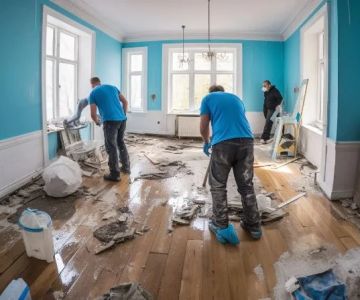
Water damage is a significant concern for homeowners and property managers. It can occur due to many reasons, such as leaks, floods, or natural disasters. However, not all water damage is created equal. Understanding the different types of water damage—clean, gray, and black—can help you better assess the severity and take the appropriate actions for cleanup and restoration. In this article, we’ll explore each type of water damage, what makes them different, and how to handle them effectively.

Kustom US Restoration / kustom restoration
1215 W Houston Ave Suite A, Gilbert, AZ 85233, USA
2-Different Types of Water Damage
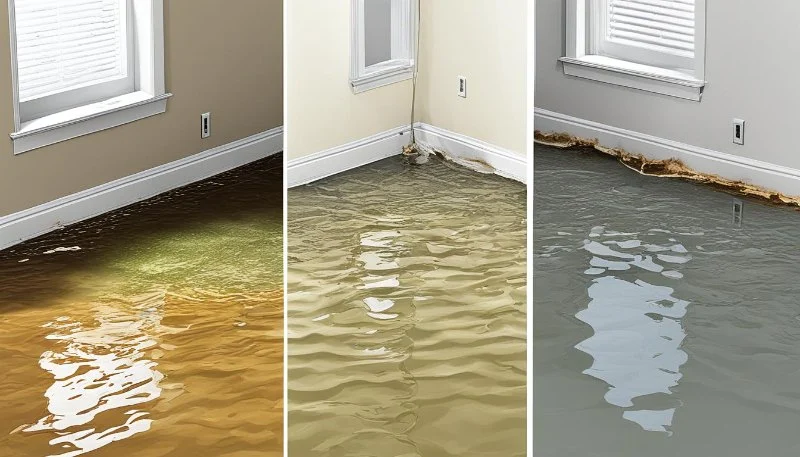
Water damage can be categorized based on the source of the water and the contamination level. The three primary types of water damage are:
- Clean Water Damage – water from a clean source like a broken pipe or rainwater.
- Gray Water Damage – water that has been contaminated with chemicals, soap, or dirt but is not harmful.
- Black Water Damage – highly contaminated water, typically from sewage, floods, or toilet backups.
Understanding these categories helps you determine the appropriate steps to take for cleanup and restoration. Let’s take a closer look at each type of water damage.
Giants / dry kings restoration of san francisco
San FranciscoSan Francisco CountyCalifornia
685 Geary Blvd, San Francisco, CA 94102, USA
3-Clean Water Damage
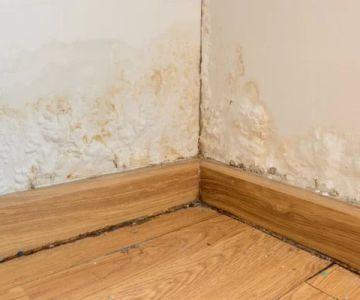
Clean water damage refers to water that comes from a clean source, such as a broken water supply line, a leaking faucet, or rainwater. This type of water is not contaminated and does not pose a health risk in its initial state. However, if left standing for an extended period, clean water can become a breeding ground for mold and mildew, which can cause secondary damage.
How to Handle Clean Water Damage: Since clean water is less hazardous, it’s relatively easy to clean up. If you notice water pooling on the floor, use towels or a wet/dry vacuum to soak up the water. Ensure the area is thoroughly dried to prevent mold growth.
It’s important to clean and dry the area quickly to avoid the transformation into gray or black water due to stagnation or contamination from surrounding materials.
4-Gray Water Damage
Gray water is water that has been mildly contaminated but does not contain harmful pathogens. Sources of gray water include dishwashers, washing machines, or sinks, where the water may contain soap, dirt, or food particles. Although gray water is not immediately harmful, prolonged exposure or ingestion can lead to health issues, so it’s important to handle it carefully.
How to Handle Gray Water Damage: When dealing with gray water, protective measures should be taken. Wear gloves, boots, and a mask if necessary. Clean up the water as soon as possible to prevent it from seeping into floors, walls, or carpets. After removing the water, thoroughly disinfect the area to eliminate any bacteria or mold growth potential.
5-Black Water Damage
Black water is the most dangerous type of water damage. It contains harmful bacteria, pathogens, and chemicals, and typically comes from sewage backups, toilet overflow, or floodwaters. Black water poses severe health risks and should be treated as hazardous waste.
How to Handle Black Water Damage: Due to its contamination, black water should only be cleaned by professionals trained in handling biohazards. If you are exposed to black water, wear protective clothing, gloves, and a respirator. Do not attempt to clean up black water on your own, as improper handling can lead to serious health consequences.
If you’re dealing with black water damage, the priority is to remove the water quickly, disinfect all affected areas, and restore the property to a safe condition. A professional restoration service can ensure the cleanup process is thorough and that the affected area is completely sanitized.
6-Water Damage Cleanup Tips
Regardless of the type of water damage, prompt action is critical. Here are some general tips for cleaning up water damage:
- Act Quickly: The sooner you address water damage, the less likely it is to cause long-term issues like mold growth.
- Remove Water Immediately: Use towels, mops, or a wet/dry vacuum to remove as much water as possible.
- Dry Thoroughly: Ensure all affected areas are completely dry. Use fans or dehumidifiers to speed up the drying process.
- Disinfect the Area: For gray and black water damage, disinfect the affected surfaces to remove harmful bacteria.
- Seek Professional Help: If you’re unsure about the severity of the water damage, consider hiring a professional restoration service.
7-Final Thoughts on Water Damage Types
Understanding the different types of water damage—clean, gray, and black—can help you take the appropriate actions to protect your home and health. While clean water damage is the least concerning, gray and black water can pose serious risks and require careful handling. Always act quickly to address any water damage, and don’t hesitate to call in professionals when necessary.
If you’re dealing with water damage in your home, visit Reliable Damage Hub for expert advice, products, and services to help with restoration and cleanup.


 Good Roads Water Damage Experts5.0 (1 reviews)
 R&R Foundation Specialist4.0 (305 reviews)
 MJ White4.0 (102 reviews)
 ATI Restoration3.0 (25 reviews)
 Modernistic4.0 (251 reviews)
 ServiceMaster Cleaning Services4.0 (27 reviews)
 Water Damage Restoration for Retail Spaces – Expert Tips and Real Cases
 How to Prevent and Repair Water Damage in Commercial Properties
 How to Protect Your Home’s Electrical System from Water Damage: Essential Tips
 Flooded Basement? Here’s How to Restore It Safely
 How to Handle Water Damage After a Storm: A Step-by-Step Guide
 How to Handle Water Damage from Burst Pipes: A Step-by-Step Guide