
 <<<
<<<- 1- Understanding Water Damage in Commercial Kitchens
- 2- Common Causes of Water Damage in Commercial Kitchens
- 3- Steps to Restoring Water Damaged Commercial Kitchens
- 4- Preventing Future Water Damage in Commercial Kitchens
- 5- Why Choose Experts for Water Damage Restoration
1- Understanding Water Damage in Commercial Kitchens
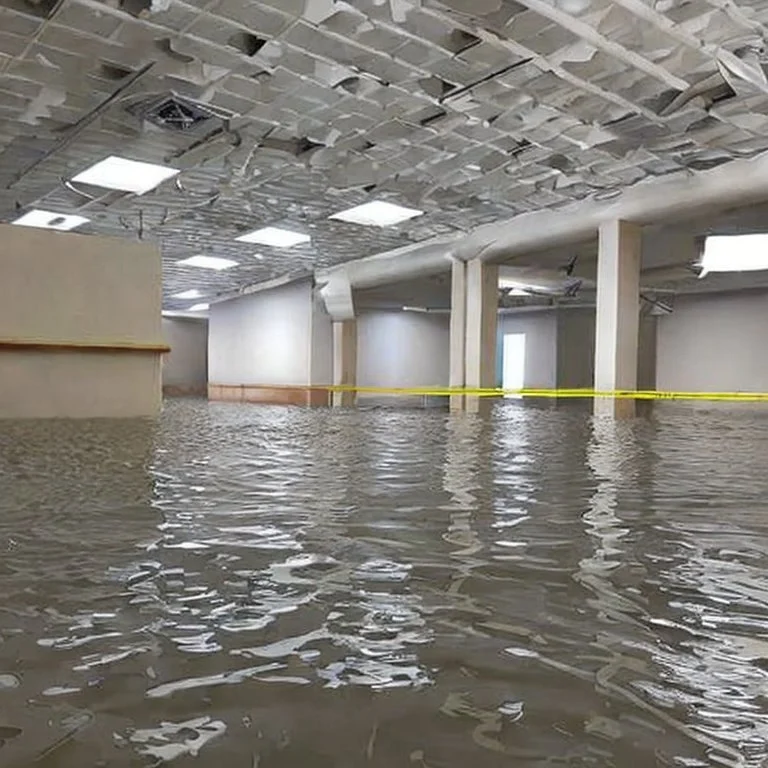
Water damage in commercial kitchens is a serious issue that can lead to significant financial losses, health risks, and operational disruptions. Commercial kitchens, whether in restaurants, hotels, or catering businesses, rely heavily on water for daily operations. However, when water damage occurs—whether due to a leak, flooding, or broken pipes—it can cause extensive damage to equipment, flooring, and even the building structure itself.
The faster water damage is addressed, the less impact it will have on the kitchen's ability to function. That’s why understanding the importance of quick restoration and the potential consequences of delayed action is key for commercial kitchen owners and operators.

Wizard Restorations Inc / puroclean of san fernando
Rancho CucamongaSan Bernardino CountyCalifornia
10245 8th St, Rancho Cucamonga, CA 91730, USA
2- Common Causes of Water Damage in Commercial Kitchens
Water damage in a commercial kitchen can be caused by several factors, often related to the kitchen's plumbing, equipment, or structural integrity. Here are the most common causes of water damage:
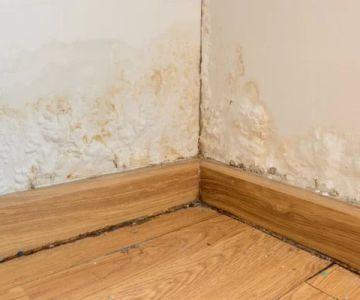
- Leaking or Burst Pipes: Plumbing issues are the most frequent cause of water damage in kitchens. Leaking or burst pipes can result in water pooling under sinks or behind walls, leading to mold growth and rotting materials.
- Dishwasher or Sink Overflow: Improper drainage or a malfunctioning dishwasher or sink can cause flooding in the kitchen area. This is especially problematic in high-traffic kitchens where water use is frequent.
- Refrigerator Leaks: Ice makers and refrigerators with water lines are prone to leaks. If the leak goes unnoticed, it can cause water to damage flooring, cabinetry, and even the walls around the refrigerator.
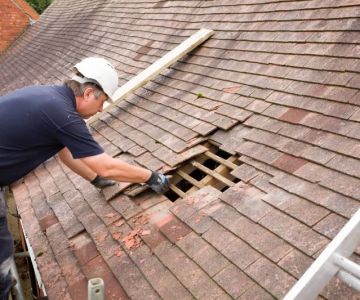
- Roof Leaks: Roof damage from storms or poor maintenance can result in water seeping into the kitchen, causing extensive damage to cooking equipment and the overall structure.
- HVAC Malfunctions: Heating, ventilation, and air conditioning systems that are not properly maintained can leak water, causing moisture buildup that leads to mold and mildew issues.
Understanding these causes will help commercial kitchen owners take the necessary precautions to avoid water damage or act swiftly when problems arise.

Kustom US Restoration / kustom restoration
1215 W Houston Ave Suite A, Gilbert, AZ 85233, USA
3- Steps to Restoring Water Damaged Commercial Kitchens
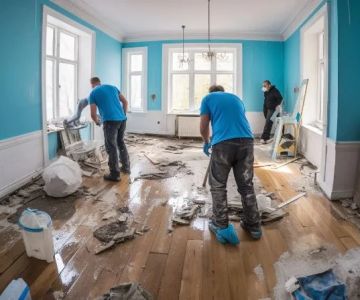
Restoring water-damaged areas in a commercial kitchen requires a thorough approach to ensure that the space is safe, sanitary, and ready to function again. Here are the essential steps for restoring a commercial kitchen after water damage:
- Assess the Damage: A professional restoration team will assess the full extent of the water damage, including determining the source of the water, the amount of damage to structures, and potential contamination risks.
- Remove Excess Water: Quickly removing excess water from the affected areas is crucial to prevent further damage. This is done using industrial-grade pumps, vacuums, and dehumidifiers.
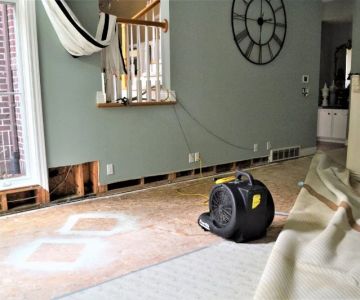
- Dry Out the Area: Once the excess water is removed, drying the kitchen is essential. Specialized equipment such as air movers and dehumidifiers will be used to ensure all moisture is removed from walls, floors, and ceilings.
- Clean and Sanitize: After drying, cleaning and sanitizing all affected surfaces is critical to prevent bacterial growth, mold, and mildew. Commercial kitchens need to adhere to strict health and safety standards, making this step non-negotiable.
- Repair or Replace Damaged Items: Once the area is cleaned and dried, damaged equipment, flooring, and walls may need to be repaired or replaced. This is where professional restoration services can help ensure the kitchen is restored to its original state.
By following these steps, commercial kitchens can return to normal operation in a safe and efficient manner. Timely restoration minimizes downtime and ensures the kitchen is functional again without compromising food safety or quality.
4- Preventing Future Water Damage in Commercial Kitchens
Once your kitchen has been restored, it’s essential to take steps to prevent future water damage. Here are some preventative measures that can help reduce the risk of water damage:
- Regular Inspections: Have your plumbing and roofing inspected regularly to identify any potential issues before they become major problems. Early detection can save you from costly repairs in the future.
- Maintain Appliances: Regularly service kitchen appliances, including dishwashers, refrigerators, and ice machines, to ensure they are in good working condition and not prone to leaks.
- Proper Drainage: Ensure that sinks, dishwashers, and floor drains are functioning properly and not clogged. Install backflow prevention devices to protect against sewage backups.
- Seal Leaks: Regularly check for leaks around windows, doors, and pipes. Caulking and sealing gaps can help prevent water from entering the kitchen during storms or heavy rainfall.
Taking these preventative measures will help keep your commercial kitchen in good condition, reducing the likelihood of future water damage and costly repairs.
5- Why Choose Experts for Water Damage Restoration
While some commercial kitchen owners may attempt to address water damage themselves, it is highly recommended to hire professionals for restoration services. Expert restoration companies have the equipment, experience, and knowledge to handle water damage efficiently and safely. Here are the main reasons to trust professionals:
- Expertise: Professional restoration companies are trained to assess and restore water-damaged properties. They have the knowledge to identify hidden damage, such as mold or structural issues, that may not be immediately visible.
- Speed and Efficiency: Time is of the essence when it comes to water damage. Professional restoration teams can act quickly, reducing the risk of further damage and minimizing downtime in your kitchen.
- Advanced Equipment: Professionals have access to industrial-grade equipment, such as water extractors, dehumidifiers, and air movers, which are essential for thorough drying and restoration.
- Compliance with Health Regulations: Commercial kitchens are subject to strict health and safety regulations. Professionals ensure that the restoration process meets all necessary health codes, providing peace of mind for restaurant owners.
Choosing an expert team for water damage restoration ensures that your commercial kitchen is restored to its full functionality, while meeting safety and hygiene standards.
If your commercial kitchen has suffered water damage, visit Reliable Damage Hub for trusted restoration services and expert advice on how to recover from water damage.
 Good Roads Water Damage Experts5.0 (1 reviews)
 R&R Foundation Specialist4.0 (305 reviews)
 MJ White4.0 (102 reviews)
 ATI Restoration3.0 (25 reviews)
 Modernistic4.0 (251 reviews)
 ServiceMaster Cleaning Services4.0 (27 reviews)
 Water Damage Restoration for Retail Spaces – Expert Tips and Real Cases
 How to Prevent and Repair Water Damage in Commercial Properties
 How to Protect Your Home’s Electrical System from Water Damage: Essential Tips
 Flooded Basement? Here’s How to Restore It Safely
 How to Handle Water Damage After a Storm: A Step-by-Step Guide
 How to Handle Water Damage from Burst Pipes: A Step-by-Step Guide