
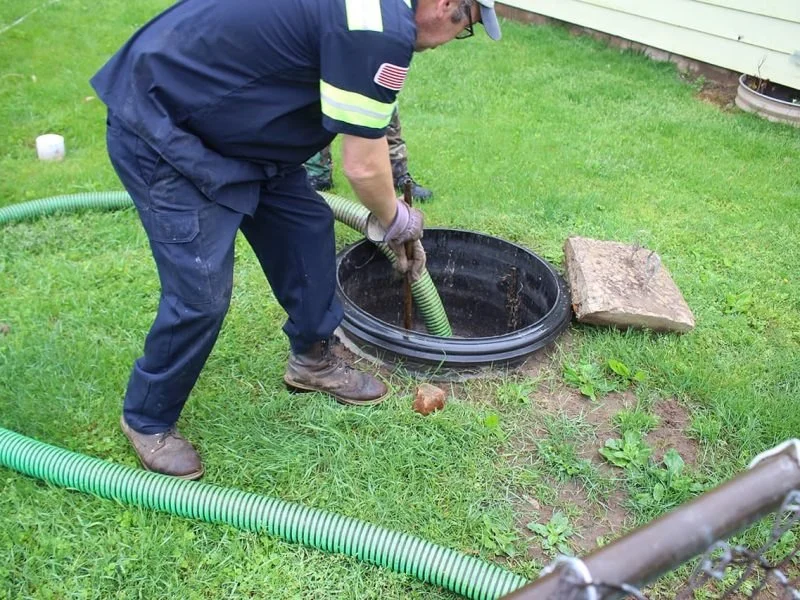
How to Handle Water Damage From Sewer Backups
- What is a Sewer Backup?
- Signs of Water Damage from Sewer Backups
- Immediate Actions to Take After a Sewer Backup
- How to Prevent Sewer Backups in the Future
- How to Clean Up Water Damage from Sewer Backups
- When to Call Professionals for Sewer Backup Cleanup
What is a Sewer Backup?
A sewer backup occurs when the normal flow of wastewater through your home's sewer line is obstructed, causing sewage to flow back into your house. This can be caused by a variety of issues, such as blockages in the sewer line, tree root infiltration, or heavy rainfall overwhelming the system. Sewer backups are not only unpleasant but also pose significant health risks due to the contaminants in the wastewater.

Kustom US Restoration / kustom restoration
1215 W Houston Ave Suite A, Gilbert, AZ 85233, USA
Signs of Water Damage from Sewer Backups
Water damage from a sewer backup can escalate quickly. It's crucial to recognize the early signs to minimize the damage and prevent further complications. Some common signs include:
Giants / dry kings restoration of san francisco
San FranciscoSan Francisco CountyCalifornia
685 Geary Blvd, San Francisco, CA 94102, USA
1. Foul Odors
A strong, unpleasant smell of raw sewage in your home is a telltale sign that there has been a sewer backup. This odor can linger and spread throughout your property if not addressed quickly.
2. Slow Drains
If you notice that your sinks, toilets, or bathtubs are draining slower than usual, it could be a sign of a partial sewer blockage that is beginning to back up. This might precede a full sewer backup.
3. Water Stains or Flooding
If you spot water stains on the floor or walls, especially near drains or toilets, it could indicate that sewer water has entered your home. Flooding in basements or lower levels is also a strong indicator of a sewer backup.
Immediate Actions to Take After a Sewer Backup
If you experience a sewer backup, it's essential to act quickly to minimize damage and ensure safety. Here’s what you should do:
1. Evacuate the Area
First and foremost, if you notice any signs of sewage backup, immediately evacuate your family and pets from the affected area. Sewage contains harmful bacteria and pathogens that pose serious health risks.
2. Turn Off Electrical Power
If the water has reached electrical outlets or wiring, turn off the electricity to avoid electrical shocks. This should only be done if it is safe to do so.
3. Avoid Using Water
Do not use water in your home until the backup has been addressed. Running water during a sewer backup can worsen the situation and spread the sewage further throughout the home.
How to Prevent Sewer Backups in the Future
While you can’t always prevent a sewer backup, there are steps you can take to reduce the risk:
1. Regular Maintenance
Ensure your plumbing and sewer system are regularly inspected and maintained by a professional. This can help identify any blockages or weaknesses before they lead to a backup.
2. Install a Backflow Valve
A backflow valve can be installed in your sewer line to prevent sewage from flowing back into your home. It acts as a one-way valve that ensures wastewater can only flow in one direction—out of your home.
3. Keep Drains Clean
Never flush non-biodegradable items, grease, or large amounts of food waste down the drain. These can cause blockages that lead to sewer backups. Use drain strainers and dispose of grease in a separate container.
How to Clean Up Water Damage from Sewer Backups
Cleaning up water damage from a sewer backup requires thorough, careful work. If not properly cleaned, sewer water can leave contaminants that can cause health issues. Here are the steps for cleaning up safely:
1. Wear Protective Gear
Before attempting any cleanup, wear protective gloves, boots, and a mask to minimize exposure to harmful bacteria and pathogens. Proper gear is essential when dealing with sewage-contaminated water.
2. Remove Contaminated Materials
Any carpets, furniture, or personal belongings that have come into contact with sewage should be removed and disposed of, as they can harbor bacteria and cause long-term contamination issues.
3. Clean and Disinfect
Use a mixture of disinfectants to clean the affected areas thoroughly. Make sure to use products that are specifically designed to handle sewage contamination. Scrub the floors, walls, and any non-porous surfaces that may have been exposed to sewage water.
4. Dry the Area Completely
After cleaning, it’s crucial to dry the area completely to prevent mold growth. Use fans and dehumidifiers to ensure proper ventilation and dryness.
When to Call Professionals for Sewer Backup Cleanup
While you may be able to handle some of the cleanup yourself, sewer backups often require professional assistance, especially if the damage is extensive. Call in professionals when:
1. The Damage Is Widespread
If the sewer backup has caused significant flooding or damage to multiple areas of your home, it’s time to call in professionals. They have the proper tools and expertise to handle large-scale water damage restoration.
2. The Backup Involves Hazardous Materials
If the backup has caused contamination in places like the kitchen or has affected your HVAC system, professionals will be able to safely handle the situation and ensure that your home is thoroughly cleaned and sanitized.
3. You Need Help with Insurance Claims
Professional water damage restoration companies are often skilled at working with insurance claims and can help you document the damage and provide the necessary information for claims.
Handling water damage from sewer backups can be challenging, but with the right knowledge and quick action, you can minimize the damage and restore your home. For additional support, products, or services, visit Reliable Damage Hub to connect with trusted professionals and find the right solutions for your home!
 Good Roads Water Damage Experts5.0 (1 reviews)
 R&R Foundation Specialist4.0 (305 reviews)
 MJ White4.0 (102 reviews)
 ATI Restoration3.0 (25 reviews)
 Modernistic4.0 (251 reviews)
 ServiceMaster Cleaning Services4.0 (27 reviews)
 Water Damage Restoration for Retail Spaces – Expert Tips and Real Cases
 How to Prevent and Repair Water Damage in Commercial Properties
 How to Protect Your Home’s Electrical System from Water Damage: Essential Tips
 Flooded Basement? Here’s How to Restore It Safely
 How to Handle Water Damage After a Storm: A Step-by-Step Guide
 How to Handle Water Damage from Burst Pipes: A Step-by-Step Guide