Recognizing and Handling Category 3 Water Damage
- 1 - What-Is-Category-3-Water-Damage
- 2 - Sources-Of-Black-Water
- 3 - Health-Risks-And-Contaminants
- 4 - Structural-Damage-Concerns
- 5 - Detecting-Category-3-Water-Damage
- 6 - Emergency-Response-Steps
- 7 - Professional-Cleanup-And-Restoration
- 8 - Preventive-Measures
- 9 - Real-World-Case-Studies
- 10 - Why-Reliable-Damage-Hub
1. What Is Category 3 Water Damage
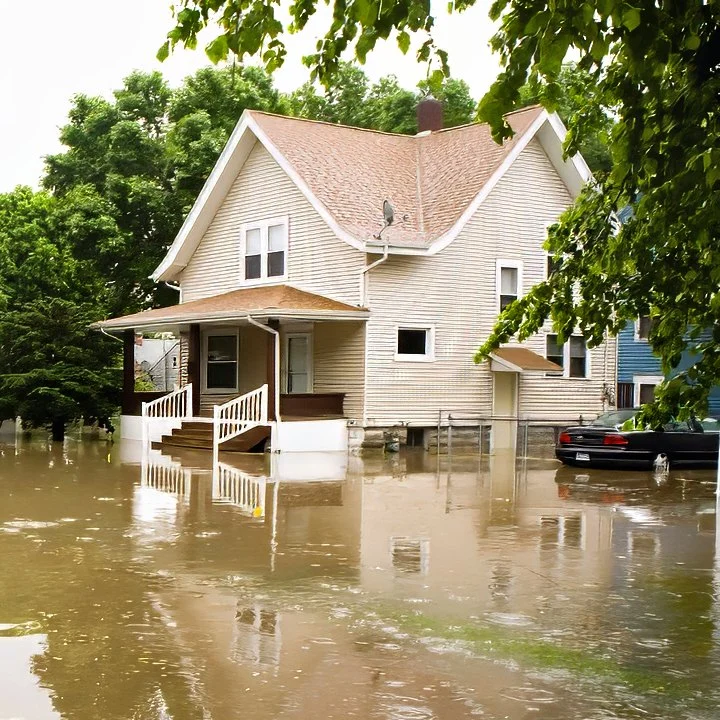
Category 3 water damage, often referred to as black water, represents the most severe form of water intrusion. It’s highly contaminated and can contain pathogens, chemicals, and other dangerous substances. Unlike clean water or gray water, Category 3 requires immediate professional attention to prevent health hazards and structural deterioration.

Kustom US Restoration / kustom restoration
1215 W Houston Ave Suite A, Gilbert, AZ 85233, USA
1.1 Understanding the Classification
Water damage is classified into three categories. Category 1 is clean water, Category 2 is gray water, and Category 3 is black water. The distinction is crucial for assessing risk and choosing appropriate cleanup methods.
Drip Restoration / valleywide restoration mesa az
932 S Stapley Dr, Mesa, AZ 85204, USA
1.2 Why It’s Considered Extreme
Black water is highly toxic. Exposure can lead to severe infections, respiratory issues, and even long-term health complications if not managed properly.
2. Sources of Black Water
Understanding the origins of Category 3 water damage helps in assessing the urgency and scope of response.
2.1 Sewage Backups
Sewage leaks from toilets or main sewer lines introduce untreated human waste, bacteria, and viruses directly into your home.
2.2 Flooding from Natural Disasters
Heavy rains, hurricanes, and flash floods can introduce contaminated outdoor water into structures, carrying chemicals, debris, and microorganisms.
2.3 Industrial and Chemical Spills
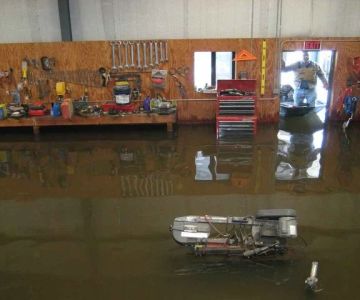
Certain commercial environments can generate contaminated water, which, if flooding occurs, qualifies as Category 3 damage.
3. Health Risks and Contaminants
Exposure to black water can have serious health consequences.
3.1 Bacterial and Viral Hazards
Pathogens such as E. coli, Salmonella, and Hepatitis A are common in Category 3 water, posing severe infection risks.
3.2 Toxic Chemicals
Industrial spills or household chemicals present in floodwaters can cause chemical burns, respiratory issues, and long-term health effects.
4. Structural Damage Concerns
Beyond health risks, black water can significantly compromise a building’s integrity.
4.1 Wood Rot and Mold Growth
Prolonged exposure can cause wooden structures to rot and mold to proliferate, weakening support beams and framing.
4.2 Electrical Hazards
Contaminated water in contact with electrical wiring increases the risk of electrocution and fire hazards.
5. Detecting Category 3 Water Damage
Prompt recognition is vital to limit damage and protect health.
5.1 Visual and Olfactory Signs
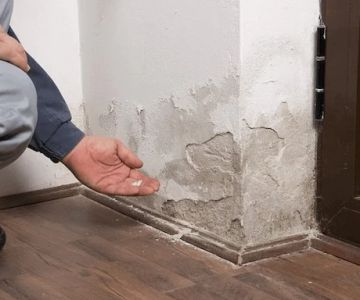
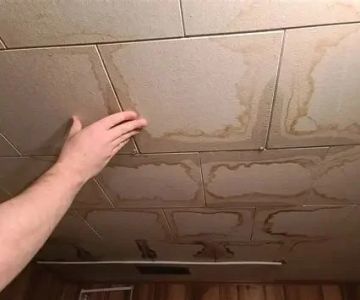
Dark, murky water, foul odors, and stains are primary indicators of black water intrusion.
5.2 Moisture Meters and Professional Inspections
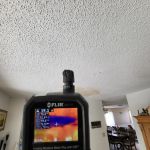
Professionals use moisture meters, infrared imaging, and lab tests to assess contamination and determine remediation strategies.
6. Emergency Response Steps
Immediate action can prevent catastrophic damage and health risks.
6.1 Evacuate Affected Areas
Ensure safety by limiting exposure to contaminated water.
6.2 Shut Off Utilities
Turn off electricity and gas lines to prevent fire and electrocution hazards.
6.3 Contact Professionals
Rapid professional intervention ensures effective containment, removal, and disinfection.
7. Professional Cleanup and Restoration
Category 3 water damage requires specialized remediation.
7.1 Water Extraction
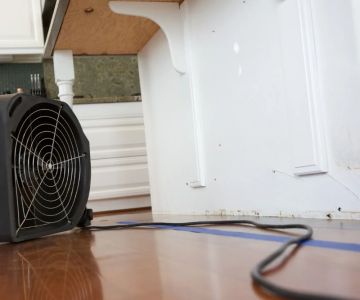
High-powered pumps remove contaminated water quickly to minimize exposure time and structural damage.
7.2 Disinfection and Decontamination
Professionals apply EPA-approved biocides and disinfectants to eliminate bacteria, viruses, and mold spores.
7.3 Structural Repairs
Replacement of damaged materials such as drywall, insulation, and flooring is often necessary to restore structural integrity.
8. Preventive Measures
Preventing Category 3 water damage involves vigilance and proactive measures.
8.1 Regular Plumbing Inspections
Check for leaks, sewer line weaknesses, and faulty fixtures to reduce risk.
8.2 Flood Barriers and Drainage Systems
Installing backflow preventers and improving drainage reduces the chance of floodwater intrusion.
9. Real-World Case Studies
Examining real incidents highlights the importance of prompt action.
9.1 Residential Sewage Backup
A home in Texas suffered extensive contamination after a sewer line collapse. Immediate professional intervention limited long-term structural damage.
9.2 Storm-Induced Flooding
During a hurricane in Florida, homes exposed to Category 3 floodwater required full-scale remediation and mold prevention measures.
10. Why Reliable Damage Hub
For comprehensive guidance, professional resources, and emergency response tips on Category 3 water damage, visit Reliable Damage Hub. Learn how to detect hazards, take immediate action, and restore your property safely while minimizing health risks and financial loss.

 Crown Restoration4.0 (189 reviews)
 Wolfgang Construction & Renovation4.0 (41 reviews)
 Bryant's Water Damage Restoration Genoa5.0 (11 reviews)
 LightHouse Restoration and Remodeling5.0 (1 reviews)
 ServiceMaster of Minneapolis4.0 (161 reviews)
 Anchor5.0 (60 reviews)
 Water Damage Restoration for Multi-Family Homes: A Comprehensive Guide
 How to Prevent Water Damage from Basement Flooding
 How to Handle Water Damage From Burst Pipes
 What to Expect When You Hire a Water Damage Restoration Company
 How to Minimize Water Damage in Your Home During Winter
 How to Deal with Water Damage After an Underground Pipe Break