
Mastering Water Damage Repair Around Interior Layouts: Tips for a Safe and Efficient Restoration
- 1 - Understanding Water Damage
- 2 - Assessing the Affected Areas
- 3 - Safety Precautions and Preparation
- 4 - Tools and Materials Needed
- 5 - Repairing Wall Water Damage
- 6 - Ceiling Water Damage Repair
- 7 - Flooring Water Damage Restoration
- 8 - Preventing Mold and Future Damage
- 9 - Professional Help and When to Call
- 10 - Maintenance Tips for Long-Term Protection
- 11 - Case Studies and Real-Life Examples
- 12 - Conclusion and Recommendations
1 - Understanding Water Damage
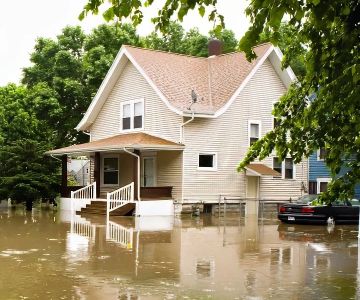
Water damage occurs when excess moisture infiltrates interior spaces, affecting walls, ceilings, and floors. Causes include plumbing leaks, roof damage, condensation, and flooding. Understanding the type of water—clean, grey, or black—is critical for determining the restoration approach and safety precautions.
Giants / dry kings restoration of san francisco
San FranciscoSan Francisco CountyCalifornia
685 Geary Blvd, San Francisco, CA 94102, USA
2 - Assessing the Affected Areas
Identify all areas impacted by water infiltration. Check for discoloration, soft spots, warped surfaces, or musty odors. Mapping the damage allows for a focused repair plan, ensuring no hidden problems remain. Use moisture meters and infrared cameras for a thorough assessment of interior layouts.

Wizard Restorations Inc / puroclean of san fernando
Rancho CucamongaSan Bernardino CountyCalifornia
10245 8th St, Rancho Cucamonga, CA 91730, USA
3 - Safety Precautions and Preparation
Before starting repairs, turn off electricity to affected areas to prevent electrocution. Wear protective gear including gloves, goggles, and masks, especially if mold is present. Remove furniture and personal items to prevent further damage and to create a safe work environment.
4 - Tools and Materials Needed
Essential tools include utility knives, pry bars, screwdrivers, hammers, moisture meters, and sanders. Materials vary by surface but may include drywall, joint compound, wood panels, sealants, and water-resistant paints. Proper selection ensures durable restoration and minimizes future issues.
5 - Repairing Wall Water Damage
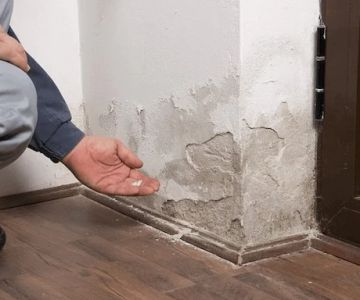
For drywall, cut out damaged sections and replace with new panels. For plaster walls, patch cracks and sand smooth. Apply water-resistant primer before repainting. Ensure walls are fully dry before sealing. Minor cosmetic repairs should still be monitored for hidden mold growth or recurring leaks.
6 - Ceiling Water Damage Repair
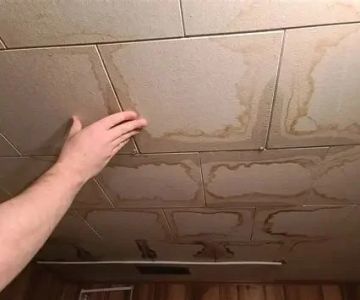
Ceilings require careful handling due to gravity and potential falling debris. Remove wet tiles or panels, treat wooden beams for moisture, and replace damaged sections. For drywall ceilings, install new panels, tape seams, and apply a primer before painting. Ceiling fans and lighting should be inspected for moisture exposure.
7 - Flooring Water Damage Restoration
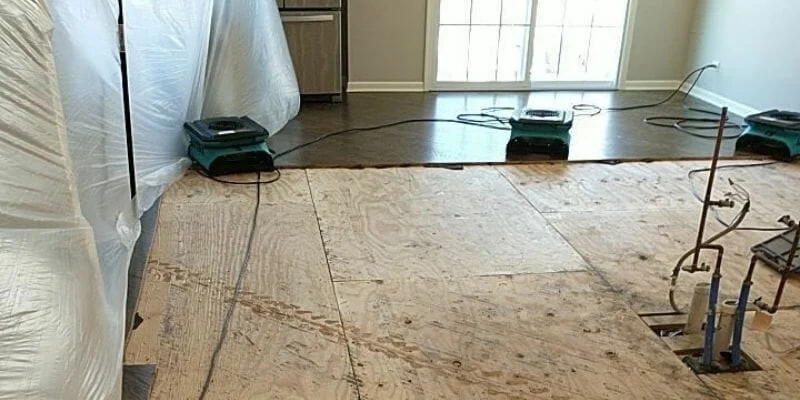
Wood, laminate, and carpeted floors are prone to warping and mold. Remove water-soaked materials promptly. Use fans and dehumidifiers to dry subfloors. For hardwood, consider sanding and refinishing if minor damage exists. Replace severely damaged sections to prevent long-term structural issues.
8 - Preventing Mold and Future Damage
Mold grows quickly in damp areas. Use mold inhibitors on affected surfaces. Keep humidity low, ventilate interiors, and repair leaks promptly. Inspect insulation and cavity spaces to ensure hidden moisture isn’t creating new mold problems. Early intervention preserves indoor air quality and structural integrity.
9 - Professional Help and When to Call
Some repairs require licensed professionals, especially for extensive water intrusion, black water contamination, or electrical hazards. Certified water restoration companies, like Reliable Damage Hub, provide specialized equipment and expertise to restore homes safely and efficiently. Know when DIY is appropriate versus when to call in experts.
10 - Maintenance Tips for Long-Term Protection
- Regularly inspect plumbing and roof structures for leaks.
- Seal gaps and cracks around windows and doors.
- Maintain gutters and downspouts to prevent water accumulation.
- Monitor humidity levels and install dehumidifiers in high-risk areas.
- Schedule periodic professional inspections for early detection.
11 - Case Studies and Real-Life Examples
Homeowners in Maryland reported significant water damage due to a leaky pipe hidden behind walls. Using the above assessment and repair steps, the restoration included wall panel replacement, subfloor drying, and mold prevention. Within a week, the interior layout was fully restored, demonstrating the effectiveness of a structured repair process.
12 - Conclusion and Recommendations
Repairing water damage around interior layouts requires careful assessment, preparation, and execution. Understanding the cause, using the right materials, and applying effective drying and mold prevention techniques ensure a safe, durable restoration. For professional assistance and trusted products, visit Reliable Damage Hub to access solutions for every stage of water damage repair.

 INX Indoor Air Quality4.0 (105 reviews)
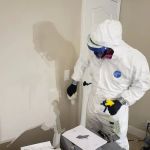 BioTechs Crime & Trauma Scene Cleaning5.0 (187 reviews)
 Allstar Floor & Air Duct Cleaning4.0 (633 reviews)
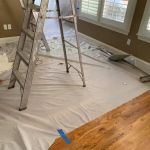 Absolute Restoration4.0 (17 reviews)
 Ready 5 Restoration5.0 (1 reviews)
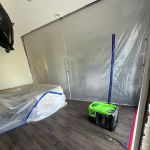 SERVPRO of Cheviot Hills/Palms4.0 (13 reviews)
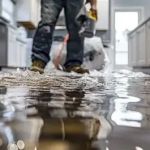 Why Immediate Action is Crucial for Water Damage Restoration
 What to Do if Your House is Flooded from a Broken Pipe | Reliable Damage Hub
 Steps for Cleaning and Sanitizing After Water Damage: A Complete Guide
 How to Identify and Handle Water Damage in Your Property’s Windows
 Water Damage Restoration After Heavy Rain: How to Act Fast
 Water Damage Restoration for Offices: A Complete Guide