
- 1-Understanding Water Damage in Kitchens
- 2-Initial Inspection and Assessment
- 3-Safety Precautions Before Repair
- 4-Removing Damaged Materials
- 5-Drying and Moisture Mitigation
- 6-Repair and Refinishing Techniques
- 7-Preventive Measures to Avoid Future Damage
- 8-Real-Life Case Studies and Homeowner Experiences
- 9-Why Reliable Damage Hub Can Assist With Kitchen Floor Repairs
1. Understanding Water Damage in Kitchens
Kitchens are highly susceptible to water damage due to sinks, dishwashers, refrigerators, and plumbing connections. Water exposure can cause wood warping, laminate swelling, tile grout deterioration, and mold growth. Recognizing the extent of damage is the first step toward effective restoration.
Common Causes of Water Damage
- Leaking Appliances: Dishwashers, refrigerators, and water dispensers can develop leaks over time.
- Plumbing Failures: Burst pipes or faulty connections can lead to significant water accumulation.
- Spills and Overflows: Regular spills, if not promptly cleaned, can seep into seams and subfloors.
- Humidity and Condensation: Poor ventilation can trap moisture, leading to gradual damage of flooring materials.
Understanding these causes helps in targeting repairs and preventing future problems.
2. Initial Inspection and Assessment
After noticing signs of water damage, conduct a thorough assessment to determine severity and plan repairs.
Visual Inspection
Look for warping, discoloration, bubbling, soft spots, or mold growth. Examine seams, edges, and areas under appliances where water may accumulate.
Moisture Testing
Use moisture meters to detect hidden dampness in subfloors. Even minor moisture can lead to mold and structural issues if left untreated.
Document Damage
Take photos and notes to track damage, especially for insurance claims or professional consultations. Documenting the affected areas helps prioritize repair efforts effectively.
3. Safety Precautions Before Repair
Water-damaged floors can pose safety hazards, including slips, electrical risks, and structural weakness.
Essential Safety Measures
- Turn Off Electricity: If water has reached outlets or appliances, shut off power at the breaker.
- Wear Protective Gear: Gloves, masks, and waterproof boots protect against mold and contaminated water.
- Check Structural Stability: Avoid walking on severely damaged or soft areas until they are reinforced or repaired.
- Consider Professional Help: For extensive damage, contact experts such as Reliable Damage Hub to safely manage restoration.
4. Removing Damaged Materials
Effective repair begins with removing compromised flooring and subfloor materials.
Wood and Laminate Flooring
Cut and remove warped or swollen boards. Inspect the subfloor beneath for dampness or rot. Salvage undamaged planks for reuse if feasible.
Tile and Grout
Remove cracked or loose tiles. Check adhesive and underlayment. Damaged grout should be replaced to prevent further water penetration.
Vinyl or Linoleum
Peel back damaged sections carefully. Ensure subfloor is fully dry and intact before installing new vinyl or linoleum panels.
5. Drying and Moisture Mitigation
Moisture control is critical to prevent mold growth and further damage.
Air Circulation
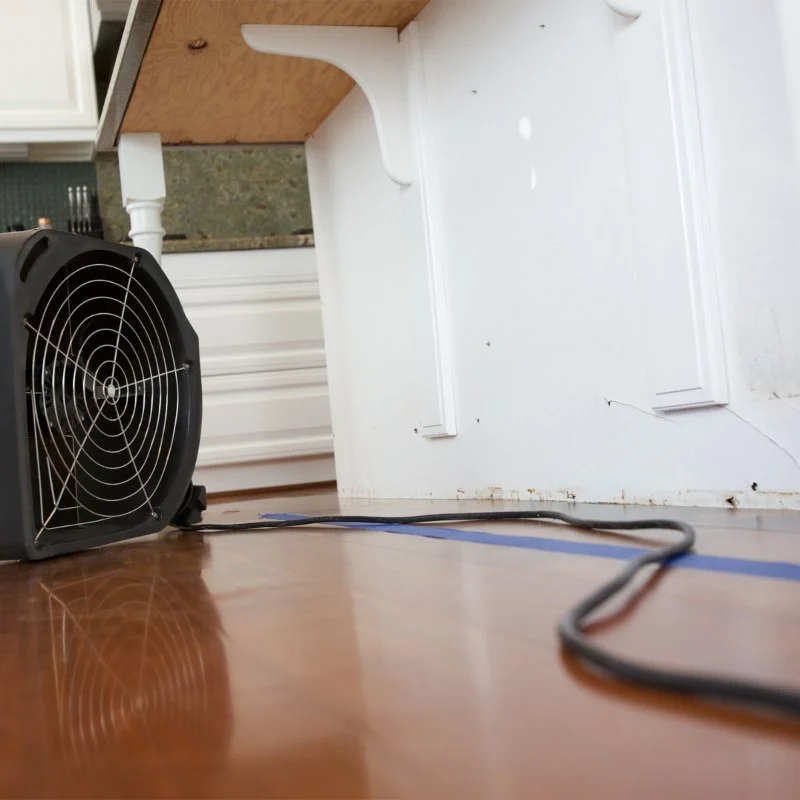
Use fans, dehumidifiers, and open windows to enhance airflow and accelerate drying.
Moisture Barriers
Install vapor barriers or moisture-resistant underlayments before replacing flooring to protect against future water exposure.
Inspections After Drying
Check subfloors with moisture meters to ensure complete dryness before proceeding with repairs. Any remaining damp areas can compromise flooring longevity.
6. Repair and Refinishing Techniques
Once the subfloor and surrounding areas are dry, implement the repair and refinishing steps appropriate to your flooring type.
Wood and Laminate Repairs
Replace damaged boards, sand uneven areas, and apply water-resistant finishes. Seal gaps and edges to prevent moisture intrusion.
Tile and Grout Restoration
Install new tiles with waterproof adhesive. Apply high-quality grout sealant to protect against water penetration. Polishing the surface enhances aesthetics and durability.
Vinyl and Linoleum Installation
Cut and fit panels precisely, apply adhesive evenly, and seal edges to prevent water ingress. Smooth seams minimize potential leak points.
Professional Finishing Options
Reliable Damage Hub provides advanced sealing, epoxy coatings, and finishing techniques that increase water resistance and prolong the life of kitchen floors in moisture-prone areas.
7. Preventive Measures to Avoid Future Damage
After repairs, proactive steps can minimize future water damage:
Routine Maintenance
Inspect plumbing, appliances, and flooring regularly for early signs of leaks or moisture buildup.
Sealants and Protective Coatings
Apply high-quality sealants or finishes periodically, especially around sinks and appliances, to create water-resistant surfaces.
Appliance and Plumbing Checks
Ensure dishwashers, refrigerators, and plumbing connections are secure and leak-free. Replace aging hoses and gaskets before failure occurs.
Quick Spill Response
Clean up spills immediately to prevent seepage into flooring seams and subfloors. Use absorbent materials and fans to dry the area thoroughly.
8. Real-Life Case Studies and Homeowner Experiences
Examining practical examples highlights effective repair strategies:
Case Study 1: Suburban Kitchen Flood
A leaking dishwasher caused water accumulation under laminate flooring. Prompt inspection and removal of damaged boards by Reliable Damage Hub prevented mold growth and structural damage. Replacement with moisture-resistant laminate and proper sealing restored both functionality and appearance.
Case Study 2: High-Use Family Kitchen
Repeated spills near sink areas led to gradual wood floor warping. Early detection and refinishing using water-resistant coatings prevented extensive replacement costs. Ongoing maintenance and sealant application now protect the floor from future incidents.
Lessons Learned
- Immediate inspection and removal of damaged materials prevents escalation.
- Moisture mitigation is essential to ensure long-term repairs hold.
- Professional guidance improves safety, efficiency, and repair quality.
9-Why Reliable Damage Hub Can Assist With Kitchen Floor Repairs
Reliable Damage Hub provides homeowners with expert guidance and restoration services for water-damaged kitchen floors:
- Comprehensive assessment of water damage severity and affected materials.
- Professional removal, drying, and repair techniques tailored to flooring type.
- Application of moisture-resistant coatings and finishes for long-lasting results.
- Preventive recommendations to protect against future water damage.
- Access to real-life case studies and expert consultation to inform homeowner decisions.
By leveraging Reliable Damage Hub’s expertise, homeowners can restore water-damaged kitchen floors safely, efficiently, and effectively, ensuring durability, aesthetics, and protection against future incidents.
 Paul Davis Restoration of Northern Vermont4.0 (18 reviews)
 National Pro Inc4.0 (27 reviews)
 Alpha Foundations5.0 (40 reviews)
 Paramount Home Restorations4.0 (32 reviews)
 Riker Home Services4.0 (186 reviews)
 Nichols Water Damage Restoration5.0 (9 reviews)
 How to Dry Out Water-Damaged Rugs Quickly: Best Methods & Tips
 What You Need to Know About Water Damage in Your Office Building’s HVAC System
 How to Prevent Water Damage in Your Home’s Windows and Doors
 How to Safely Remove Water From Hardwood Floors: Expert Tips
 How to Get Rid of Musty Smell After Water Damage in Your Home
 Water Damage Repair for Flooring Transitions: Expert Guide for Homeowners