
- 1. Why Water Damage is a Concern During Winter
- 2. Common Winter Water Damage Risks in Your Home
- 3. Practical Tips to Prevent Water Damage in Winter
- 4. How to Inspect Your Home for Winter Water Damage Risks
- 5. Real-Life Example: Preventing Winter Water Damage
- 6. Conclusion
1. Why Water Damage is a Concern During Winter
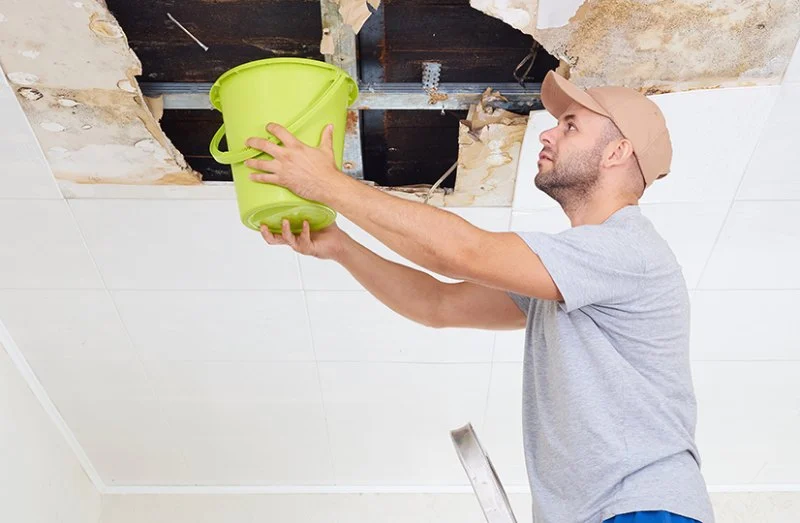
Winter brings many challenges for homeowners, and one of the most concerning issues is water damage. Freezing temperatures, snow accumulation, and the thawing process can lead to leaks, burst pipes, and water seepage that can cause extensive damage to your home. The problem is that water damage during winter is often not discovered until it’s too late, resulting in expensive repairs and possible mold growth. In this article, we’ll discuss how to minimize water damage risks in your home during the colder months and what you can do to protect your property from winter-related water issues.
Drip Restoration / valleywide restoration mesa az
932 S Stapley Dr, Mesa, AZ 85204, USA
2. Common Winter Water Damage Risks in Your Home
Understanding the most common winter water damage risks is the first step in minimizing them. Here are some of the main risks you should be aware of during the winter months:
SERVPRO of Pompano Beach / servpro fort lauderdale south
Pompano BeachBroward CountyFlorida
2101 NW 33rd St #200a, Pompano Beach, FL 33069, USA
2.1. Frozen Pipes
One of the most significant winter water damage risks is frozen pipes. When temperatures drop, the water inside pipes can freeze, causing them to expand and potentially burst. This can lead to significant flooding and water damage once the pipes thaw. Frozen pipes are often found in attics, basements, or areas with poor insulation.
2.2. Ice Dams
Ice dams form when heat escapes from your attic, causing snow on the roof to melt and then refreeze at the eaves. This creates a dam that blocks water from draining off your roof, causing it to pool and seep into the roof structure and interior walls. Ice dams can lead to extensive water damage to your roof, ceilings, and insulation.
2.3. Leaky Windows and Doors
Cold temperatures and gusty winds can cause gaps around windows and doors to widen, leading to water infiltration during snowstorms or heavy rain. These leaks can cause damage to walls, floors, and even your furniture if not addressed promptly.
2.4. Condensation and Humidity
As temperatures fluctuate, condensation can form on windows, walls, and ceilings. This excess moisture can contribute to water damage, especially in areas with poor ventilation. Prolonged exposure to high humidity can also lead to mold and mildew growth, which can damage drywall, insulation, and wood surfaces.
3. Practical Tips to Prevent Water Damage in Winter
Now that you know the risks, it’s time to take proactive steps to minimize water damage during the winter months. Here are some practical tips to help protect your home:
3.1. Insulate Pipes
Insulating pipes in unheated areas, such as basements, attics, and garages, is one of the most effective ways to prevent them from freezing. Use foam pipe insulation or heat tape to keep your pipes warm during cold spells. This simple measure can save you from the headaches of dealing with burst pipes and water damage.
3.2. Maintain Proper Ventilation
Ensure that your attic is properly ventilated to allow warm air to escape, reducing the risk of ice dams. Proper ventilation helps to keep the attic temperature consistent with the outside temperature, preventing snow from melting and refreezing. Also, keep your home well-ventilated to reduce condensation inside, which can contribute to mold and water damage.
3.3. Clean Gutters Regularly
Cleaning your gutters in the fall before the winter months is crucial for preventing water damage. Clogged gutters can cause water to back up on the roof, increasing the risk of ice dams and water leakage into your home. Make sure your gutters are free from leaves, twigs, and debris to ensure proper drainage during winter rains and snow melts.
3.4. Seal Gaps and Cracks Around Windows and Doors
Inspect your windows and doors for any gaps or cracks where cold air and moisture might seep in. Use weatherstripping or caulk to seal these openings, preventing water infiltration and reducing the strain on your heating system. This simple step can also improve your home’s energy efficiency.
3.5. Use a Dehumidifier
If you live in a region with high humidity during the winter, consider using a dehumidifier to control moisture levels inside your home. Reducing humidity will prevent condensation on windows and walls, helping to keep your home dry and free from mold and water damage.
4. How to Inspect Your Home for Winter Water Damage Risks
Regular inspections are essential for identifying potential winter water damage risks. Here’s how you can check your home:
4.1. Inspect the Roof
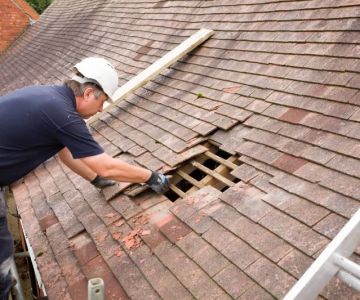
Before winter sets in, check your roof for damaged or missing shingles, which can allow water to seep in during rain or melting snow. Look for areas with poor drainage that may contribute to ice dams. If you notice any issues, repair them before the winter months.
4.2. Check Attic Insulation
Ensure that your attic has adequate insulation. Proper insulation prevents heat from escaping through the roof, reducing the likelihood of ice dams and keeping your home comfortable. If necessary, add extra insulation in the attic to improve its efficiency during winter.
4.3. Inspect Plumbing and Heating Systems
Before the cold weather hits, have a professional inspect your plumbing and heating systems. Make sure your pipes are properly insulated, and check that your heating system is running efficiently to prevent temperature fluctuations that could lead to condensation and frozen pipes.
5. Real-Life Example: Preventing Winter Water Damage
A homeowner in Michigan faced a major water damage issue when the pipes in their attic froze and burst during a particularly cold winter. The water flooded the attic and caused significant damage to the ceiling below. After this incident, the homeowner took proactive steps to insulate the pipes in the attic and sealed any gaps around the windows and doors. They also scheduled annual roof inspections to ensure there were no issues that could lead to ice dams. The following winter, their home remained dry and free from water damage.
6. Conclusion
Water damage during winter can be a costly and stressful problem for homeowners. However, by taking preventive measures like insulating pipes, maintaining proper ventilation, and sealing gaps in windows and doors, you can minimize the risks and protect your home from the damaging effects of winter weather. For more tips and advice on how to safeguard your home from water damage, visit Reliable Damage Hub, where we offer resources and products to help you keep your property safe during the winter months.

 Good Roads Water Damage Experts5.0 (1 reviews)
 R&R Foundation Specialist4.0 (305 reviews)
 MJ White4.0 (102 reviews)
 ATI Restoration3.0 (25 reviews)
 Modernistic4.0 (251 reviews)
 ServiceMaster Cleaning Services4.0 (27 reviews)
 Water Damage Restoration for Retail Spaces – Expert Tips and Real Cases
 How to Prevent and Repair Water Damage in Commercial Properties
 How to Protect Your Home’s Electrical System from Water Damage: Essential Tips
 Flooded Basement? Here’s How to Restore It Safely
 How to Handle Water Damage After a Storm: A Step-by-Step Guide
 How to Handle Water Damage from Burst Pipes: A Step-by-Step Guide