
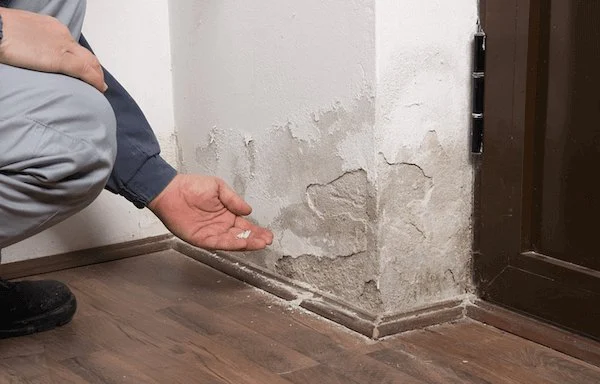
- 1 - Identifying Water Damage Around Interior Installations
- 2 - Assessing the Extent of Damage
- 3 - Safety and Preparation Before Repair
- 4 - Drying and Moisture Removal
- 5 - Removing Damaged Materials
- 6 - Restoring Walls and Ceilings
- 7 - Repairing Flooring and Subfloors
- 8 - Addressing Water-Damaged Fixtures and Cabinets
- 9 - Preventing Mold and Future Damage
- 10 - Real-World Examples and Stories
- 11 - Maintenance and Monitoring
1. Identifying Water Damage Around Interior Installations
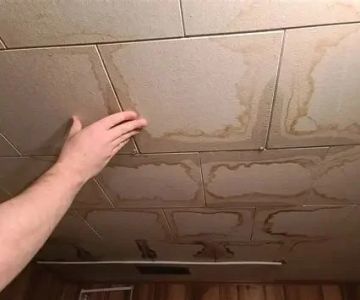
Recognizing water damage early is critical to prevent structural deterioration and mold growth. Signs may include visible stains, warping, bubbling paint, or musty odors around walls, floors, or ceilings. Pay close attention to areas near plumbing, HVAC units, or kitchen and bathroom fixtures.
SERVPRO of Pompano Beach / servpro of santa maria
Pompano BeachBroward CountyFlorida
2101 NW 33rd St #200a, Pompano Beach, FL 33069, USA
1.1 Common Signs of Water Damage
Water damage can appear differently depending on material:
- Wood: swelling, warping, soft spots.
- Drywall: bubbling, discoloration, sagging.
- Flooring: buckling or cupping hardwood, loose tiles.
- Metal: rust or corrosion around fasteners.
1.2 Hidden Damage Detection
Sometimes water damage is concealed behind cabinets, under flooring, or inside wall cavities. Moisture meters, infrared cameras, or probing tools help detect hidden moisture pockets.
2. Assessing the Extent of Damage
Accurate assessment guides the repair plan and helps determine whether DIY repair is feasible or if professional intervention is required.
2.1 Surface vs. Structural Damage
Surface damage includes cosmetic issues such as stains or paint discoloration. Structural damage affects wood framing, subfloors, or drywall integrity, requiring more extensive restoration.
2.2 Moisture Content Measurement
Use a moisture meter to quantify water content in wood, drywall, or flooring. Levels above 20% often indicate significant absorption that necessitates removal or replacement.
3. Safety and Preparation Before Repair
Water damage repair involves potential exposure to mold, bacteria, and structural hazards. Safety measures are critical.
3.1 Personal Protective Equipment (PPE)
Wear gloves, N95 masks, eye protection, and boots to reduce exposure to contaminated water and debris.
3.2 Area Containment
Seal off affected areas to prevent contamination of unaffected spaces. Use plastic sheeting, tape, and proper ventilation to isolate repair zones.
4. Drying and Moisture Removal
Effective drying prevents mold growth and further material deterioration.
4.1 Airflow and Dehumidification
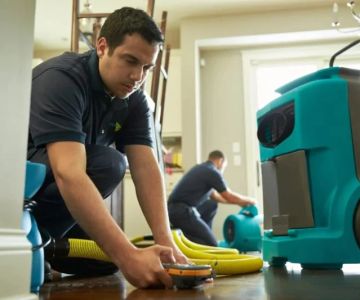
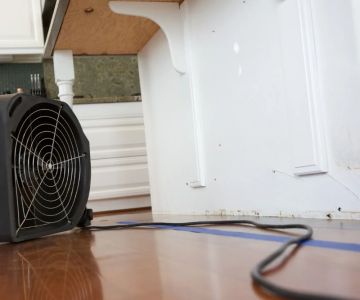
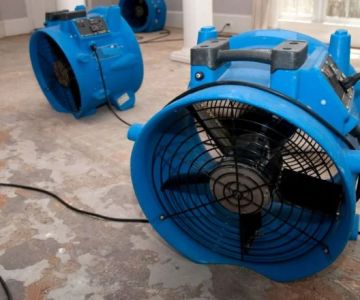
Use fans, air movers, and dehumidifiers to extract moisture. Ensure air circulation reaches hidden cavities behind cabinets or under flooring.
4.2 Heat and Absorbent Materials
For minor damage, use towels or absorbent mats to draw moisture from surfaces. Avoid high heat that can cause warping or additional cracking.
5. Removing Damaged Materials
Damaged materials often cannot be restored and must be replaced.
5.1 Drywall and Insulation
Cut out compromised drywall and remove wet insulation. Replace with moisture-resistant materials when rebuilding.
5.2 Flooring and Subfloors
Water-saturated hardwood or laminate floors may need partial or complete removal. Subfloors exhibiting warping or mold growth should be replaced to prevent structural issues.
6. Restoring Walls and Ceilings
Proper restoration ensures durability and aesthetic consistency.
6.1 Drywall Installation
Install new drywall sheets, tape seams, and apply joint compound. Sand and prime before painting to prevent future peeling or staining.
6.2 Ceiling Repair Techniques
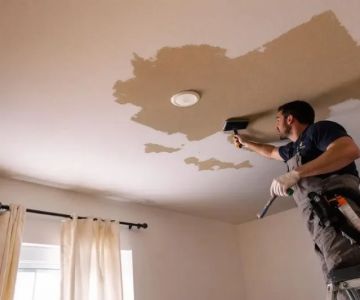
For water-damaged ceilings, consider plaster repair or drywall replacement depending on severity. Reinforce ceiling joists if necessary.
7. Repairing Flooring and Subfloors
Restoring flooring requires careful assessment:
7.1 Hardwood and Laminate
Replace damaged planks, ensure subfloor is dry, and acclimate new wood before installation. Sand and refinish for uniform appearance.
7.2 Tile and Stone
Remove loosened tiles, clean and dry subfloor, and re-install with moisture-resistant adhesive and grout.
8. Addressing Water-Damaged Fixtures and Cabinets
Cabinets, counters, and built-in furniture often sustain water exposure:
8.1 Cabinet Restoration
Wood cabinets may require drying, sanding, or partial replacement of panels. For composite or particleboard cabinets, full replacement may be more cost-effective.
8.2 Countertops and Fixtures
Stone countertops generally survive minor water exposure, while laminate or wood surfaces may swell and require replacement. Check plumbing and seals to prevent recurrence.
9. Preventing Mold and Future Damage
Preventive measures reduce long-term risks and repair costs:
9.1 Mold-Resistant Materials
Use mold-resistant drywall, insulation, and paints in repaired areas.
9.2 Humidity Control
Install dehumidifiers or ventilation systems in moisture-prone areas like bathrooms and kitchens to minimize recurrence.
9.3 Plumbing and Leak Checks
Regularly inspect plumbing connections, seals, and water sources around interior installations.
10. Real-World Examples and Stories
In one case, a homeowner discovered water damage behind kitchen cabinets due to a leaky dishwasher hose. Prompt removal of damaged drywall and cabinet panels, coupled with drying and replacement using moisture-resistant materials, prevented mold and restored functionality. Another example involved a bathroom vanity that absorbed water from a leaking sink. Replacement of the cabinet and subfloor, along with careful moisture monitoring, ensured long-term durability.
11. Maintenance and Monitoring
Ongoing maintenance prevents future damage:
11.1 Routine Inspections
Check areas around sinks, toilets, appliances, and HVAC units for early signs of water intrusion.
11.2 Leak Detection Devices
Install smart water sensors or alarms to detect leaks before extensive damage occurs.
11.3 Periodic Professional Assessment
Engage certified water damage restoration professionals for inspection and maintenance in high-risk areas. Reliable Damage Hub provides tools, products, and services for monitoring and repair guidance.
 Service Master by Clean Sweep5.0 (6 reviews)
 Freedom Cleaning, LLC5.0 (15 reviews)
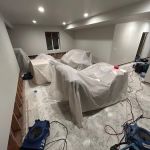 Anatom Restoration Colorado Springs5.0 (6 reviews)
 Start 2 Finish Restoration & Building Services3.0 (16 reviews)
 Premier Restorations LLC4.0 (54 reviews)
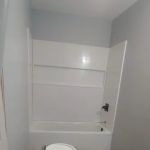 CRS 1st Response4.0 (22 reviews)
 Water Damage Restoration Safety Tips You Should Never Ignore
 How to Prevent Water Damage from Overflowing Toilets
 Water Damage Restoration for Rental Properties: What Tenants Should Know
 How to Protect Your Property from Water Damage During Heavy Snowfalls
 What Happens When You Don’t Fix Water Damage Immediately
 How to Prevent Water Damage from Sprinkler Systems