
- 1. Understanding the Problem of Underground Pipe Breaks
- 2. Immediate Steps to Take After a Pipe Break
- 3. Assessing the Damage and Identifying the Source
- 4. Long-Term Solutions for Preventing Future Pipe Breaks
- 5. Water Damage Cleanup and Repair Solutions
- 6. Reliable Products from Reliable Damage Hub
1. Understanding the Problem of Underground Pipe Breaks
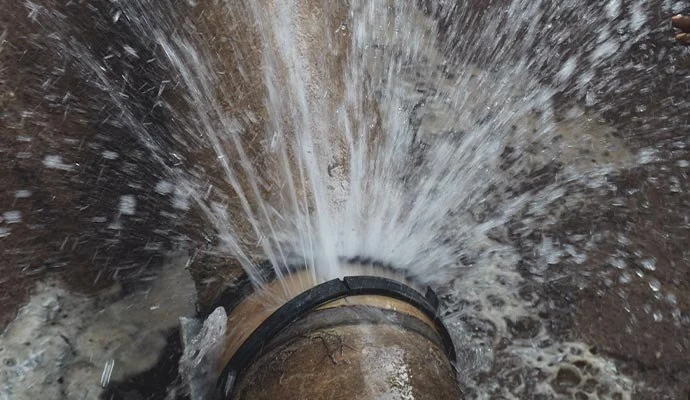
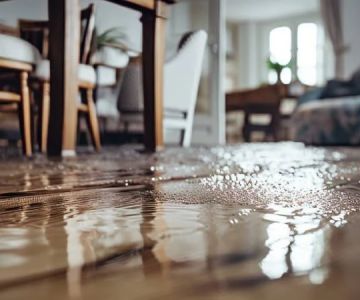
Underground pipe breaks can occur for several reasons, including aging pipes, external pressure, and extreme weather conditions. When a pipe breaks beneath the ground, it can lead to significant water damage that may affect your home or business. Understanding the causes of pipe breaks and the resulting water damage is crucial in taking the right steps to address the issue.

Wizard Restorations Inc / puroclean of san fernando
Rancho CucamongaSan Bernardino CountyCalifornia
10245 8th St, Rancho Cucamonga, CA 91730, USA
2. Immediate Steps to Take After a Pipe Break
After an underground pipe break, time is of the essence. Here are the immediate steps you should take to minimize damage:
- Shut off the water supply: The first thing you need to do is turn off the main water valve to prevent further flooding and damage.
- Check for visible leaks: Inspect areas around the break for visible water leaks or flooding.
- Notify professionals: Contact a plumber or water damage restoration professional to handle the pipe repair and assess the damage.
3. Assessing the Damage and Identifying the Source
Once the immediate steps are taken, it’s important to assess the extent of the water damage. Here’s how you can assess the situation:
- Inspect the affected area: Look for signs of water saturation, mold growth, or structural damage around the break site.
- Identify the source: Work with professionals to identify if the pipe break was caused by natural wear and tear, external pressure, or external factors like tree roots or shifting soil.
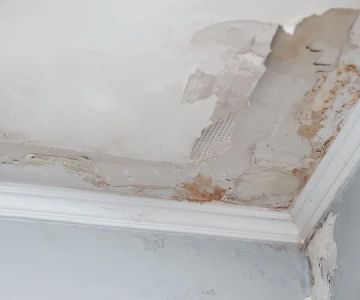
- Check for hidden water damage: Water may have traveled to unseen areas, so it’s crucial to inspect floors, walls, and ceilings near the break for hidden damage.
4. Long-Term Solutions for Preventing Future Pipe Breaks
Once you’ve dealt with the immediate damage, taking preventive measures to avoid future underground pipe breaks is essential. Here are some long-term solutions:
- Pipe replacement: If your pipes are old or corroded, consider replacing them with more durable materials such as PVC or copper.
- Regular inspections: Schedule periodic inspections of your underground pipes to catch issues before they cause damage.
- Soil stabilization: If soil movement is a problem, work with experts to stabilize the ground and reduce the risk of pipe shifts or breaks.
5. Water Damage Cleanup and Repair Solutions
Water damage cleanup and repair can be a complex and time-consuming process, but it is crucial for restoring your property and preventing mold or long-term structural issues. Here’s a general guide to the cleanup and repair process:
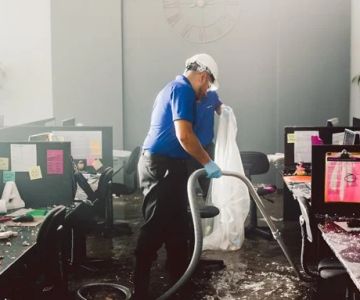
- Water extraction: Professionals will use specialized equipment to remove standing water and moisture from the affected area.
- Drying and dehumidifying: Thorough drying is essential to prevent mold growth and further damage. High-powered fans and dehumidifiers will help remove excess moisture.
- Restoring damaged areas: Once everything is dry, repair any structural damage caused by the water, including repairing drywall, flooring, and insulation.
6. Reliable Products from Reliable Damage Hub
If you're dealing with water damage or pipe issues, Reliable Damage Hub offers a wide range of products and solutions to help you manage and repair the damage. From water leak detection tools to pipe repair kits, we have everything you need to fix your plumbing issues and restore your property. Visit us today for more information and expert advice!
 Roto-Rooter Plumbing & Water Cleanup4.0 (638 reviews)
 Liberty Basement Systems4.0 (295 reviews)
 SERVPRO of Norman4.0 (106 reviews)
 SERVPRO of Houston Heights4.0 (34 reviews)
 Re Mold & WD5.0 (20 reviews)
 Water Damage Professionals5.0 (45 reviews)
 How to Assess the Extent of Water Damage in Your Home: A Comprehensive Guide
 The Importance of Water Damage Prevention for Your Home’s Foundation
 Water Damage Repair for Wooden Doors and Frames
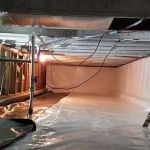 Water Damage Restoration for Crawl Spaces
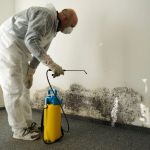 Water Damage Restoration After Storm Damage: Step-by-Step
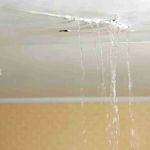 Water Damage Repair for Basement Ceilings: Expert Tips and Solutions