
- -Understanding-the-Risks-of-Water-Damage-in-Insulation
- -How-Water-Damaged-Insulation-Affects-Your-Home
- -Signs-of-Water-Damaged-Insulation
- -Steps-to-Handle-and-Repair-Water-Damaged-Insulation
- -Real-Life-Cases-and-Expert-Tips
1. Understanding the Risks of Water Damage in Insulation
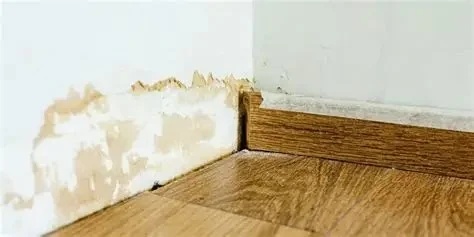
Water damage in your home’s insulation can be a hidden yet serious problem. Insulation is designed to regulate the temperature inside your home and provide energy efficiency, but when it becomes waterlogged, it loses its effectiveness and can lead to other issues like mold growth and structural damage. It's important to understand the risks of water damage in insulation and act quickly to resolve it.
1.1 The Role of Insulation in Your Home
Insulation serves as a barrier that helps maintain indoor comfort by reducing heat transfer between the inside of your home and the outside environment. It can be made from a variety of materials such as fiberglass, cellulose, and foam. However, when these materials become saturated with water, they not only lose their insulating properties but can also harbor harmful bacteria and mold.
1.2 Long-Term Effects of Water-Damaged Insulation
Water-damaged insulation can lead to a variety of long-term issues, including:
1. Increased energy bills, as damaged insulation no longer retains heat or cool air.
2. Mold and mildew growth, which can cause health problems.
3. Wood rot or structural damage if water is allowed to seep into surrounding areas.
4. Bad odors in your home due to damp insulation and mold growth.
SERVPRO of Pompano Beach / servpro of santa maria
Pompano BeachBroward CountyFlorida
2101 NW 33rd St #200a, Pompano Beach, FL 33069, USA
2. How Water-Damaged Insulation Affects Your Home
Water damage in insulation doesn’t just affect the insulation itself—it can also have a negative impact on the overall health of your home. Understanding how water damage in your insulation affects your home can help you prioritize repairs and prevent further complications.
2.1 Loss of Insulating Efficiency
Once insulation becomes wet, it loses its ability to trap air and regulate temperature. This means that your home may experience temperature fluctuations, leading to discomfort and higher energy bills. For example, wet fiberglass or cellulose insulation can absorb moisture, making it much less effective in preventing heat transfer.
2.2 Structural and Mold Damage
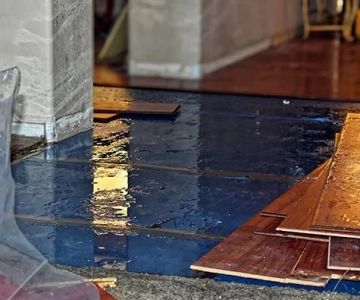
When water damage extends beyond the insulation and affects other parts of the home—such as the drywall, wooden beams, or flooring—serious structural damage can occur. Additionally, the moist environment created by water-damaged insulation is ideal for mold and mildew growth. Mold not only poses health risks but can also further weaken the structure of your home.
2.3 Air Quality Concerns
Water-damaged insulation, especially if left untreated, can contribute to poor indoor air quality. The presence of mold and mildew in the insulation can release spores into the air, leading to respiratory problems, especially for individuals with asthma or allergies.

Kustom US Restoration / kustom restoration
1215 W Houston Ave Suite A, Gilbert, AZ 85233, USA
3. Signs of Water-Damaged Insulation
It’s important to recognize the signs of water damage in your home’s insulation early on to prevent further issues. Some of the most common indicators of water-damaged insulation include:
3.1 Wet or Damp Areas in the Walls or Ceiling
When insulation is exposed to moisture, it often becomes damp or soggy. You may notice visible wet spots on the walls or ceiling, particularly in areas like the basement, attic, or crawl spaces. If the insulation is fiberglass, it may look matted or clumped together due to water absorption.
3.2 Musty Odors
One of the easiest signs of water damage in insulation is a musty odor, especially in areas like the attic or basement. This odor is typically caused by mold or mildew growing within the damp insulation.
3.3 Visible Mold or Mildew
If you notice mold or mildew growth on your walls or ceilings, it could be a sign that water has infiltrated the insulation. Mold and mildew thrive in moist environments, and if they are present in your insulation, they may be spreading throughout your home.
4. Steps to Handle and Repair Water-Damaged Insulation
If you suspect that your insulation has been damaged by water, it's essential to take prompt action to mitigate the damage and begin repairs. Here's how you can handle and repair water-damaged insulation.
4.1 Assess the Extent of the Damage
Before beginning any repair work, assess the extent of the damage. Check the affected areas and determine how much insulation needs to be replaced. If the damage is limited to a small area, it might be possible to replace just that section of insulation. However, if the damage is widespread, you may need to replace the entire section of insulation.
4.2 Remove and Replace the Damaged Insulation
In most cases, water-damaged insulation cannot be dried and reused. It’s best to remove and replace it with new insulation to restore your home’s energy efficiency and prevent mold growth. Depending on the type of insulation (fiberglass, cellulose, foam), you’ll need to follow specific removal and disposal procedures.
4.3 Address the Water Source
After replacing the damaged insulation, it’s crucial to address the root cause of the water damage. Check for leaks in the plumbing, roof, or walls, and repair them promptly. Additionally, make sure that the drainage around your home is properly directed to prevent future water issues.
5. Real-Life Cases and Expert Tips
Real-life examples can provide valuable insights into how to handle water damage in insulation and prevent it from recurring. Here are a few stories and tips from homeowners and experts.
5.1 Homeowner Experience: Tackling Water Damage in the Attic
A homeowner in Florida shared their experience of discovering water-damaged insulation in their attic after a heavy storm. The water had seeped through the roof, damaging the insulation and causing a musty smell in the home. They acted quickly by replacing the insulation and fixing the roof, ultimately preventing mold growth and further damage.
5.2 Expert Advice: Preventing Future Water Damage
Experts recommend regular inspections of your home’s insulation and roof to prevent water damage. Keeping gutters clean and ensuring proper drainage around your foundation can go a long way in preventing water from seeping into your insulation. If you live in an area prone to heavy rainfall or flooding, consider installing additional barriers to protect your insulation from water damage.
5.3 Professional Tip: Use Vapor Barriers
To prevent moisture buildup in your home’s insulation, professionals often suggest installing vapor barriers. These barriers help prevent moisture from penetrating the insulation and causing future water damage. It’s an investment that can save you from costly repairs in the long run.
 Stanley Steemer4.0 (531 reviews)
 Tri-State Basement Repair Inc3.0 (48 reviews)
 South County Restoration4.0 (43 reviews)
 Home Pro Services5.0 (119 reviews)
 Diversified Innovations (DI)2.0 (4 reviews)
 911 Restoration of Big Rapids/Fremont4.0 (61 reviews)
 Water Damage Restoration for Office Buildings: Effective Solutions for Business Recovery
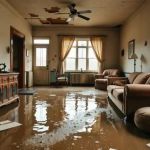 How to Manage Water Damage After a Hurricane: Restoration Tips
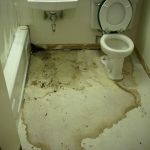 Water Damage in Your Bathroom: How to Restore and Prevent It
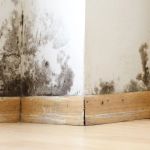 How to Spot Water Damage Early: Key Signs to Look for Before It's Too Late
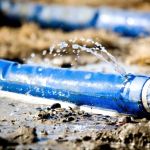 How to Manage Water Damage Caused by Broken Water Pipes
 How to Prevent Water Damage from Air Conditioning Leaks