
- 1. Understanding Water Damage in Your Bathroom
- 2. Common Causes of Water Damage in Bathrooms
- 3. How to Repair Water Damage in Your Bathroom
- 4. Preventing Water Damage: Tips for Long-Term Protection
- 5. Real-Life Case: A Bathroom Restoration Story
- 6. Final Thoughts on Bathroom Water Damage Restoration
1. Understanding Water Damage in Your Bathroom
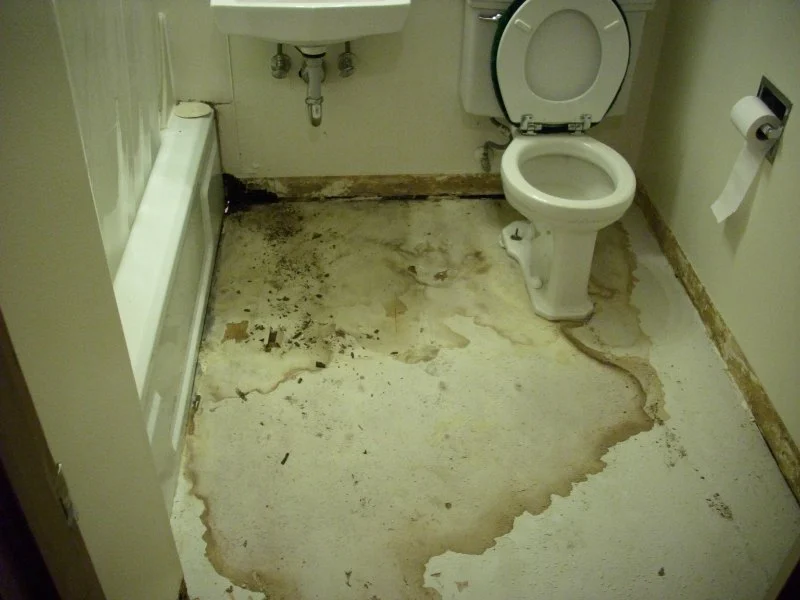
Water damage in the bathroom is a common issue that can cause significant problems if not addressed promptly. It often leads to mold growth, rotting wood, and damage to drywall, which can be costly to repair. In the bathroom, water damage typically occurs around areas that are frequently exposed to moisture, such as around the tub, sink, shower, and toilet. This type of damage can range from minor discoloration of the walls to severe structural issues if left untreated. Understanding how to identify and address water damage early is crucial for maintaining the health of your bathroom and your home.

Kustom US Restoration / kustom restoration
1215 W Houston Ave Suite A, Gilbert, AZ 85233, USA
2. Common Causes of Water Damage in Bathrooms
Several factors contribute to water damage in your bathroom, including:
- Leaky Pipes: One of the most common causes of water damage in bathrooms is leaky pipes, which can be hidden behind walls or under floors, slowly causing damage over time.
- Faulty Sealant: The caulking around tubs, showers, and sinks often wears out, allowing water to seep into areas it shouldn’t, leading to rot and mold growth.
- Improper Ventilation: Without proper ventilation, excess moisture from showers or baths can cause condensation on walls and ceilings, contributing to mold and mildew problems.
- Clogged Drains: Blocked drains can cause water to overflow or back up into areas where it shouldn’t be, increasing the risk of flooding and water damage.
- Broken Tiles or Grout: Cracked tiles or damaged grout can expose the underlying surface to water, allowing it to seep into the walls or floor beneath, leading to structural damage.
3. How to Repair Water Damage in Your Bathroom
Repairing water damage in your bathroom can be a straightforward process if caught early. However, if the damage is extensive, you may need professional help. Here’s a general guide on how to restore a bathroom affected by water damage:
- Step 1: Assess the Damage: Inspect the area to determine the extent of the damage. Check walls, floors, and ceilings for water stains, mold, or soft spots, which indicate rot.
- Step 2: Fix Leaks and Address the Source: Before starting repairs, it’s essential to fix any leaks that caused the damage. This could involve replacing leaky pipes, resealing around the tub, or fixing clogged drains.
- Step 3: Remove Damaged Materials: Once the source of the water is addressed, remove any materials that cannot be saved, such as soaked drywall, carpet, or insulation. These materials can harbor mold and bacteria if left in place.
- Step 4: Dry the Area: Use fans or dehumidifiers to dry out the area thoroughly. Make sure the space is completely dry to prevent mold growth before replacing any damaged materials.
- Step 5: Repair and Replace: Replace damaged tiles, flooring, or drywall. Apply fresh caulking or grout around sinks, tubs, and showers to prevent future leaks.
4. Preventing Water Damage: Tips for Long-Term Protection
While repairing water damage is important, preventing it from occurring in the first place is key to avoiding costly repairs down the line. Here are some tips to help you prevent water damage in your bathroom:
- Maintain Proper Ventilation: Install an exhaust fan to remove moisture from the bathroom and ensure it’s functioning properly. This helps to prevent condensation and mold buildup on walls and ceilings.
- Inspect for Leaks Regularly: Check for leaks around plumbing fixtures, pipes, and seals. Catching small leaks early can prevent them from turning into major problems.
- Re-seal Grout and Caulking: Periodically inspect and re-seal grout lines and caulking around tubs, showers, and sinks to prevent water from seeping through cracks and causing damage.
- Install Water-Resistant Materials: Use water-resistant flooring and materials in areas that are exposed to moisture, such as tile or vinyl, to reduce the risk of water damage.
- Fix Clogged Drains Promptly: Address any drainage issues right away to prevent water from backing up into your bathroom. Regularly clean your drains to avoid blockages.
5. Real-Life Case: A Bathroom Restoration Story
In a recent case, a homeowner in Florida noticed signs of water damage around their bathroom floor, particularly near the shower. After investigating, they discovered a small leak in the plumbing beneath the shower, which had been slowly dripping for months, causing the floorboards to rot. The damage was extensive, but by acting quickly, they were able to repair the leak, remove the damaged materials, and replace the flooring with water-resistant tiles. They also installed a new exhaust fan to improve ventilation and prevent future issues.
This case illustrates the importance of catching water damage early and addressing the root cause of the problem. If left unaddressed, water damage can spread and cause significant structural issues, leading to costly repairs.
SERVPRO of Pompano Beach / servpro fort lauderdale south
Pompano BeachBroward CountyFlorida
2101 NW 33rd St #200a, Pompano Beach, FL 33069, USA
6. Final Thoughts on Bathroom Water Damage Restoration
Water damage in the bathroom can quickly escalate from a minor issue to a major problem. It’s essential to act quickly to repair any leaks and damage while taking steps to prevent future issues. Regular maintenance, such as resealing grout, fixing leaks, and ensuring proper ventilation, can go a long way in protecting your bathroom from water damage. For expert advice on bathroom restoration and prevention, visit Reliable Damage Hub for the best products, services, and recommendations to keep your bathroom in top shape.
 Cornerstone Renovation LLC5.0 (42 reviews)
 JES Foundation Repair4.0 (427 reviews)
 SERVPRO of North Garland4.0 (31 reviews)
 SERVPRO of Pike/NE Monroe Counties4.0 (23 reviews)
 Dry Star Restoration LLC4.0 (269 reviews)
 SERVPRO of Sullivan and South Ulster Counties4.0 (17 reviews)
 Water Damage Restoration Tools Every Pro Uses | Reliable Damage Hub
 How to Repair Water-Damaged Ceilings: A Complete Guide
 Water Damage Restoration for Schools and Libraries
 Water Damage Restoration for Schools and Universities: Efficient Solutions
 How to Handle Water Damage From Storm Flooding: A Comprehensive Guide
 How to Deal With Water Damage From Roof Ice Dams: Prevention and Repair Tips