- Understanding AC Leaks and Water Damage
- Common Causes of AC Leaks
- How to Prevent Water Damage from AC Leaks
- Maintaining Your AC System for Leak Prevention
- What to Do If You Spot an AC Leak
- Recommendations from Reliable Damage Hub
1. Understanding AC Leaks and Water Damage
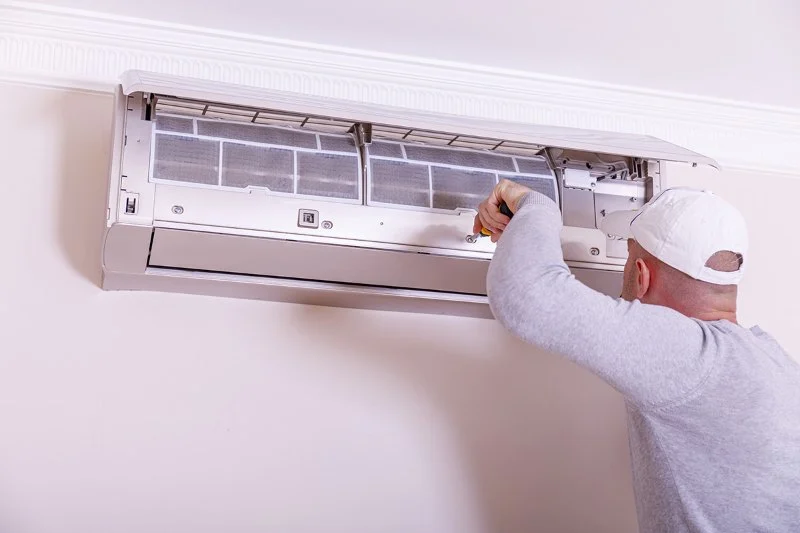
Air conditioning leaks are a common issue that many homeowners face, and if left unaddressed, they can cause significant water damage to your home. Water leakage from an AC system occurs when moisture that condenses during the cooling process is not properly drained. Over time, this water can seep into walls, ceilings, floors, and even your insulation, leading to mold growth, rot, and other costly damage.
Understanding how AC systems work and the potential risks of water leakage is crucial in preventing such damage. Most modern air conditioners have a drainage system to remove the moisture, but when this system is blocked or damaged, the water can accumulate, causing leaks.

Wizard Restorations Inc / puroclean of san fernando
Rancho CucamongaSan Bernardino CountyCalifornia
10245 8th St, Rancho Cucamonga, CA 91730, USA
2. Common Causes of AC Leaks
To prevent water damage from air conditioning leaks, it's essential to understand the common causes of these issues. Here are some of the most frequent reasons why AC systems leak:
SERVPRO of Pompano Beach / servpro fort lauderdale south
Pompano BeachBroward CountyFlorida
2101 NW 33rd St #200a, Pompano Beach, FL 33069, USA
1. Clogged Drain Line
The most common cause of AC leaks is a clogged drain line. When the drain line becomes obstructed with dirt, algae, or other debris, the moisture cannot flow out properly and starts to pool inside the system. This trapped water can eventually leak out and cause damage.
2. Broken or Damaged Condensate Pump
If your AC unit has a condensate pump, a malfunction can cause water to back up in the system. The pump is designed to push the moisture away from the system, but if it breaks or becomes damaged, water can leak out and flood your space.
3. Low Refrigerant Levels
Low refrigerant levels can cause the evaporator coil to freeze. When the ice on the coil melts, the excess water may overflow, leading to leaks. This not only causes water damage but also affects the efficiency of your cooling system.
4. Dirty Air Filters
Dirty or clogged air filters reduce airflow and can lead to frozen coils. As the ice melts, it can create excess water that may leak from the system. Regularly cleaning or replacing air filters can help prevent this problem.
3. How to Prevent Water Damage from AC Leaks
Preventing water damage from AC leaks requires proactive maintenance and regular checks. Here are some essential steps you can take to minimize the risk:
1. Regular Maintenance and Inspections
Scheduling regular maintenance for your AC system is the best way to prevent leaks. A professional technician will inspect the system for any potential issues, clean the drain lines, check refrigerant levels, and ensure that all components are working properly. This can help prevent unexpected leaks and reduce the risk of water damage.
2. Clean the Drain Line
Ensure that your AC’s drain line is clear of any obstructions. You can flush the line with a wet/dry vacuum or a cleaning solution to prevent blockages. If you’re not comfortable doing this yourself, a professional can clean the line during routine maintenance.
3. Replace or Clean Air Filters Regularly
Dirty air filters can reduce airflow and lead to frozen coils. Make sure to replace or clean the air filters in your AC unit every 1–3 months, depending on usage. This will help maintain optimal performance and prevent water-related issues.
4. Check for Leaks and Drips
Regularly inspect your AC system for signs of water leaks or drips. If you notice any moisture around your unit, it’s important to address the issue immediately to prevent further damage. If you’re unsure of the cause, contact a professional to perform a thorough inspection.
4. Maintaining Your AC System for Leak Prevention
Proper maintenance is the key to preventing water damage from AC leaks. Here are some additional maintenance tips to keep your system running efficiently:
1. Maintain Proper Insulation
Make sure your AC system is well-insulated, especially around the ducts and pipes. Insulation helps prevent condensation and moisture build-up, which can lead to leaks and water damage. If you notice any gaps or wear in your insulation, repair or replace it promptly.
2. Monitor Humidity Levels
High humidity can overwhelm your AC system, leading to condensation and water damage. Consider using a dehumidifier in areas with high humidity to reduce the strain on your AC and prevent excess moisture accumulation.
3. Schedule Professional Inspections
Having a professional technician inspect your AC system annually can help catch potential issues before they turn into major problems. A trained technician can check for leaks, clean the condensate pump, and ensure that your system is functioning properly.
5. What to Do If You Spot an AC Leak
If you notice a water leak from your air conditioning system, it’s important to take action immediately to prevent further damage:
1. Turn Off the AC
If you suspect a leak, turn off the AC system to prevent more water from accumulating and potentially causing further damage to your home.
2. Inspect the Source of the Leak
Check for any visible signs of water around the unit, the condensate pump, or the drain lines. If you can identify the source of the leak, you can address the issue more effectively.
3. Call a Professional
If you’re unable to identify the source or resolve the issue yourself, call a professional HVAC technician to inspect the system and repair any damage. They will have the tools and expertise to fix the leak and ensure your system is working properly.
6. Recommendations from Reliable Damage Hub
To protect your home from water damage caused by AC leaks, it’s important to have reliable products and services to help with maintenance and repairs. Visit Reliable Damage Hub for expert recommendations on the best tools, materials, and services for preventing water damage. Whether you need drain line cleaning products or professional AC maintenance services, we’ve got you covered.

 Rainbow International of Tri-Cities, TN4.0 (107 reviews)
 United Emergency Water Damage4.0 (87 reviews)
 RestoPros of North Denver5.0 (36 reviews)
 Advanced Restoration4.0 (41 reviews)
 Advanced Restoration Plus Inc.4.0 (70 reviews)
 Jcv Water Damage Specialists0.0 (0 reviews)
 Water Damage Restoration for Commercial Kitchens
 How to Prevent Water Damage From Broken Sprinklers – Expert Tips and Solutions
 How to Clean Water-Damaged Carpeting and Area Rugs: Step-by-Step Guide
 How to Protect Your Home from Water Damage in a Flood Zone – Key Tips for Homeowners
 Why Immediate Action is Crucial for Water Damage Restoration
 How to Restore Water-Damaged Upholstery - Expert Tips and Solutions