
- #Understanding-Water-Damage-in-Winter - how snowstorms lead to water damage
- #Preventing-Water-Damage-Before-the-Storm - steps to protect your home
- #How-to-Respond-to-Water-Damage - immediate actions to take
- #Dealing-with-Major-Water-Damage - when to call professionals
- #Real-Life-Case-Study - a homeowner’s experience
- #Long-Term-Prevention - tips for future snowstorm readiness
1. Understanding Water Damage in Winter
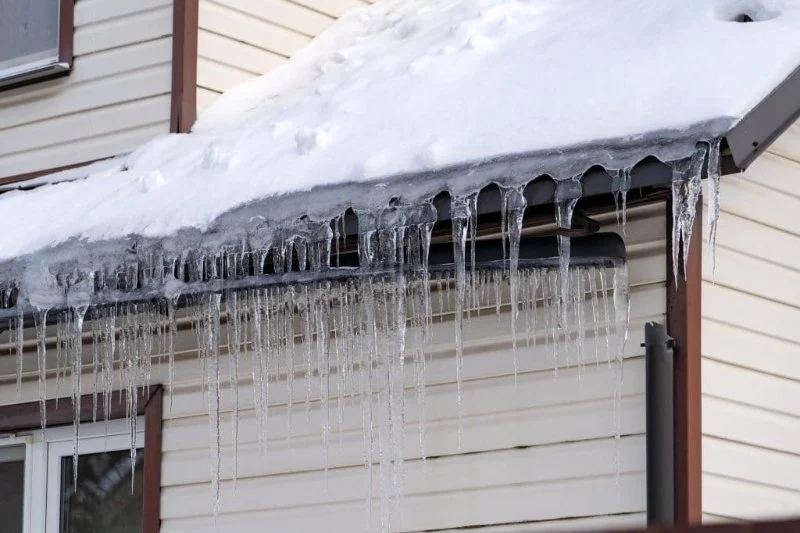
Winter snowstorms can create a hidden danger for homeowners: water damage. When snow accumulates on rooftops and melts, the resulting water can seep into the home and cause serious damage. But how does this happen?
Giants / dry kings restoration of san francisco
San FranciscoSan Francisco CountyCalifornia
685 Geary Blvd, San Francisco, CA 94102, USA
1.1 The Role of Melting Snow
During a snowstorm, the layers of snow and ice on your roof can trap moisture. When temperatures rise and snow begins to melt, the water needs to go somewhere. If your roof isn’t well insulated or there are weaknesses, the water can drip through the roof and into your attic or walls, leading to water damage.
Drip Restoration / valleywide restoration mesa az
932 S Stapley Dr, Mesa, AZ 85204, USA
1.2 Ice Dams and Their Effects
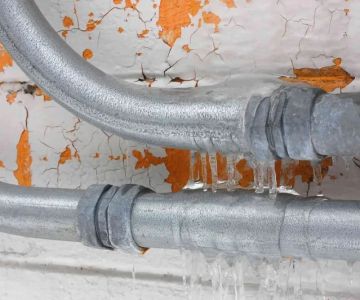
Ice dams occur when melting snow refreezes at the roof’s edge. This creates a barrier that traps more water, forcing it under the shingles and into your home. The damage can be subtle at first but can cause significant problems like mold growth, weakened structures, and damaged insulation.
2. Preventing Water Damage Before the Storm
The best way to handle water damage during winter snowstorms is to prevent it in the first place. Here are some proactive steps you can take to protect your home:
2.1 Proper Roof Insulation
Ensure your attic is well insulated to prevent the melting snow from reaching your roof. Proper insulation keeps the warmth from your home from escaping into the attic, which helps the snow stay frozen and prevents premature melting.
2.2 Gutter Maintenance
Clogged gutters can contribute to water buildup on your roof, making it easier for ice dams to form. Clean your gutters regularly, especially before the winter season, to allow water to flow freely and reduce the risk of damage.
2.3 Sealing Gaps and Cracks
Inspect your home for any gaps or cracks in the roof or walls. These small openings can allow water to leak inside, causing damage over time. Sealing these gaps before winter can reduce the chances of water infiltration during a snowstorm.
3. How to Respond to Water Damage
If you’re already dealing with water damage from a winter storm, quick action is essential to minimize the impact. Here's what you should do immediately:
3.1 Turn Off the Water Source
If you suspect that water is leaking from the roof or walls, locate the source and turn off the water supply. This will prevent further damage and give you a better opportunity to assess the situation.
3.2 Protect Furniture and Valuables
Move any valuable items away from the affected areas. This includes furniture, electronics, and personal belongings. Use plastic sheets or tarps to shield your possessions from water while you work on fixing the leak.
3.3 Dry the Affected Area
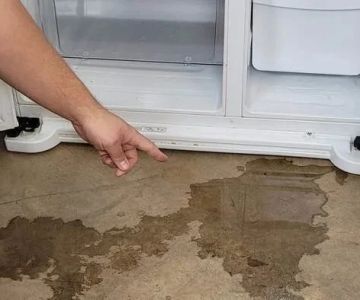
Use towels, mops, or a wet/dry vacuum to soak up any standing water. If the water is coming from the ceiling, place a container or bucket to catch the drips. Dehumidifiers and fans will help speed up the drying process, reducing the risk of mold and further damage.
4. Dealing with Major Water Damage
Sometimes, water damage can be severe, especially if ice dams have caused significant flooding. In these cases, it’s important to know when to call in professionals.
4.1 Assess the Extent of the Damage
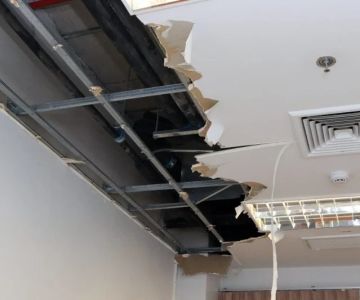
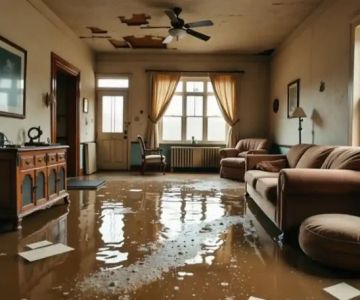
Check your ceilings, walls, and floors for signs of extensive damage. If you notice sagging, discoloration, or a musty smell, the damage may be more serious than a simple leak. In these cases, it’s best to call in experts who can assess the structural integrity of your home.
4.2 Calling a Water Damage Restoration Professional
If the damage is widespread, it’s advisable to contact a professional water damage restoration company. These specialists have the tools and expertise to quickly assess the damage, extract water, and begin the drying process to prevent mold growth and structural issues.
4.3 Insurance Considerations
Water damage caused by winter storms may be covered by your homeowner’s insurance, but this depends on the specifics of your policy. Contact your insurer to file a claim and ensure that you have the coverage you need to repair the damage.
5. Real-Life Case Study
A homeowner in the Northeast shared their experience of water damage during a heavy snowstorm. They noticed water spots on their ceiling and initially attempted to deal with the issue on their own by drying the area. However, the damage spread quickly, and within a few days, the ceiling began to sag.
5.1 Immediate Response
They turned off the water supply and moved their furniture out of the affected area, preventing further damage. But after assessing the situation, they realized the leak had spread behind the walls and needed professional attention.
5.2 Professional Help
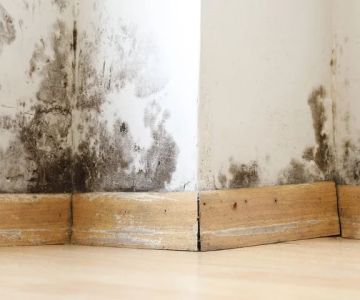
They called in a water damage restoration company, which identified mold in the attic and surrounding areas. The company quickly removed the affected materials, dried out the space, and treated the area for mold growth. With the help of professionals, the homeowner was able to restore their home to its original condition.
5.3 Key Takeaway
This experience highlighted the importance of early intervention. The homeowner learned that dealing with water damage early can save both time and money in the long run.
6. Long-Term Prevention
Once you’ve dealt with the immediate effects of water damage, it’s important to think about long-term prevention strategies for future winter snowstorms.
6.1 Regular Roof Inspections
Have a professional inspect your roof at least once a year, especially before winter. Early detection of weak spots or areas prone to ice dams can prevent major issues down the line.
6.2 Invest in Gutter Guards
Installing gutter guards can prevent debris from clogging your gutters and reduce the likelihood of ice dams forming. This is a small investment that can save you from costly repairs in the future.
6.3 Keep Attic Ventilation in Check
Proper attic ventilation helps keep your roof temperature consistent and prevents snow from melting too quickly. This simple maintenance task can significantly reduce the risk of water damage caused by snowstorms.
By taking these preventive measures, you can protect your home from water damage during winter snowstorms. If you do experience water damage, acting quickly and seeking professional help will minimize the damage and help restore your home. For more guidance and resources, visit Reliable Damage Hub to find the best products and services for managing water damage.
 Gladiator Restoration4.0 (46 reviews)
 Certified Priority Restoration4.0 (5 reviews)
 Grace Restoration4.0 (30 reviews)
 Americlean/Water Out4.0 (141 reviews)
 Home Damage Doctor, Llc4.0 (9 reviews)
 Badger State Restoration4.0 (52 reviews)
 The Link Between Water Damage and Long-Term Structural Issues
 How to Restore Water-Damaged Cabinets and Countertops
 How to Prevent Water Damage From Heavy Rainfall – Effective Home Protection Tips
 How to Prevent Water Damage in Your Home's Exterior
 Water Damage Repair for Carpets and Rugs: Effective Solutions to Restore Your Home
 Top 5 Water Damage Restoration Myths Debunked: What You Need to Know