- 1. Understanding Water Damage and Mold
- 2. Common Causes of Water Damage and Mold Growth
- 3. How to Detect Water Damage and Mold in Your Home
- 4. Steps to Remove Mold and Repair Water Damage
- 5. Preventing Future Water Damage and Mold Issues
- 6. Get Expert Help from Reliable Damage Hub
1. Understanding Water Damage and Mold
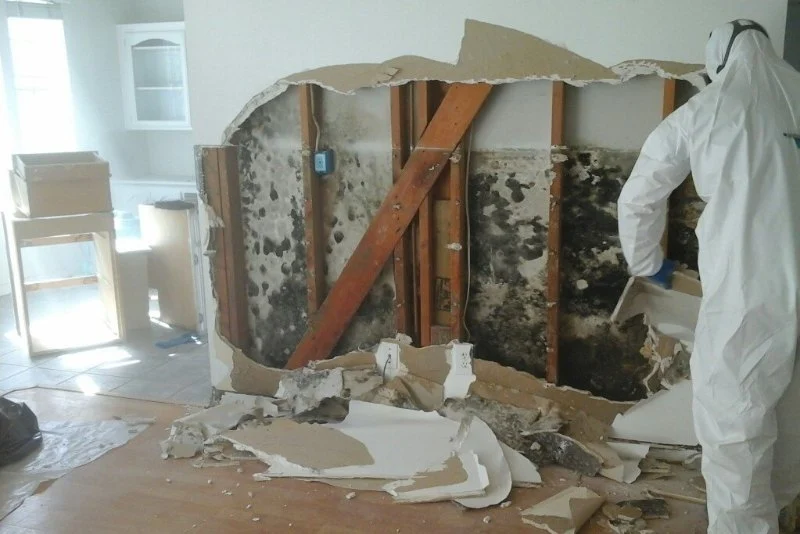
Water damage and mold are two of the most common and destructive issues homeowners face. Whether caused by a burst pipe, roof leak, or flooding, water damage can quickly lead to the growth of mold, which can further compromise the structural integrity of your home and pose health risks. Understanding how water damage and mold are connected is the first step in protecting your home and ensuring a safe living environment.
Giants / dry kings restoration of san francisco
San FranciscoSan Francisco CountyCalifornia
685 Geary Blvd, San Francisco, CA 94102, USA
2. Common Causes of Water Damage and Mold Growth
Water damage can occur for many reasons, and understanding the causes is essential to addressing the problem effectively. Mold thrives in damp, humid environments, and water damage creates the perfect conditions for mold growth.

Wizard Restorations Inc / puroclean of san fernando
Rancho CucamongaSan Bernardino CountyCalifornia
10245 8th St, Rancho Cucamonga, CA 91730, USA
2.1 Leaking Pipes
One of the most common causes of water damage is leaking or burst pipes. Over time, pipes can corrode, crack, or become clogged, leading to leaks that can go unnoticed until significant damage has occurred. These leaks provide the moisture mold needs to grow, especially in areas like basements and attics.
2.2 Roof Leaks
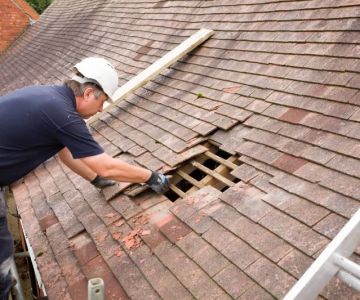
Damaged roofing is another major cause of water intrusion. A roof leak can allow rainwater to seep into your home, especially during heavy storms. The water that enters the attic or walls creates ideal conditions for mold to form. Regular roof inspections are important to catch these issues early.
2.3 Flooding
Flooding can result from natural disasters, such as hurricanes or heavy rainfall, or from plumbing issues like overflows. Regardless of the cause, floodwaters bring a substantial amount of moisture into your home, increasing the risk of both water damage and mold growth.
2.4 Humidity and Condensation
High humidity levels or condensation in poorly ventilated areas can also lead to water damage. Rooms like bathrooms and kitchens are particularly vulnerable to mold, as the steam from showers and cooking creates a moist environment conducive to mold growth.
3. How to Detect Water Damage and Mold in Your Home
Detecting water damage and mold early can save you a lot of time, money, and effort. Here are a few signs to look out for:
3.1 Visible Water Stains
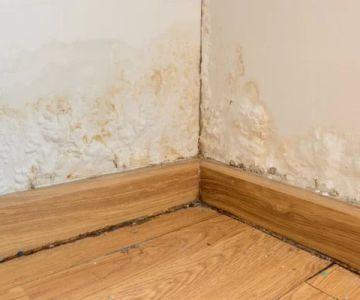
Water stains on ceilings, walls, and floors are often the first signs of water damage. These stains can indicate leaking pipes, a roof leak, or flooding. If left unchecked, these stains may lead to mold growth and further damage to your property.
3.2 Musty Odors
A musty smell is a clear indicator of mold. If you detect a persistent, earthy odor, it’s likely that mold is growing somewhere in your home. Mold spores are invisible to the naked eye, but the smell is often a reliable sign that it's time to investigate further.
3.3 Warped Walls and Flooring
Wooden floors, baseboards, and walls can warp when exposed to excess moisture. If you notice that the wood in your home is swelling or cracking, it’s a clear indication that water has infiltrated your space. This could be an early warning sign of water damage and mold growth.
3.4 Visible Mold
If you can see mold, it’s already a problem. Mold can appear in different colors, including black, green, and white, and it often grows in damp, dark places like behind walls or under carpets. If you see mold, it’s important to take action immediately to prevent it from spreading.
4. Steps to Remove Mold and Repair Water Damage
Addressing water damage and mold requires a systematic approach to both removal and repair. Here are the basic steps involved:
4.1 Assess the Extent of the Damage
The first step in tackling water damage and mold is to assess the extent of the damage. Identify the affected areas, including walls, ceilings, floors, and hidden spaces like attics and basements. Depending on the severity, you may need professional help for large-scale mold removal or water damage repair.
4.2 Dry the Affected Areas
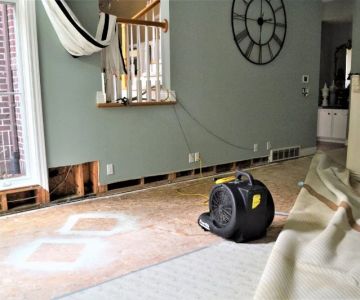
Once you’ve located the source of the moisture, it’s crucial to dry the area completely. Use dehumidifiers, fans, and moisture meters to ensure that all areas are thoroughly dried out. Failure to dry the space can lead to continued mold growth, even after the water source has been eliminated.
4.3 Remove Mold and Clean Surfaces
Once the area is dry, it’s time to remove the mold. You can use commercial mold removal products, or a mixture of vinegar and baking soda, to clean the affected surfaces. Be sure to wear protective gear, such as gloves and a mask, to avoid inhaling mold spores. For more extensive mold infestations, consider hiring a professional mold remediation company.
4.4 Repair Water Damage
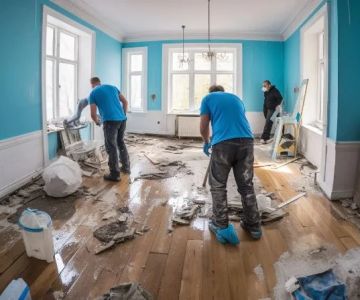
After mold removal, focus on repairing the water damage. This may involve replacing damaged drywall, flooring, insulation, or even structural components, depending on the severity of the damage. Professional water damage restoration services can help with more extensive repairs.
5. Preventing Future Water Damage and Mold Issues
Preventing water damage and mold growth is essential for maintaining a healthy and safe home. Here are some steps you can take to reduce the risk:
5.1 Regular Inspections
Conduct regular inspections of your home, especially in areas prone to water damage, such as the roof, attic, basement, and plumbing systems. Catching problems early can prevent major damage and mold growth.
5.2 Proper Ventilation
Ensure that your home is well-ventilated, particularly in areas with high humidity, like bathrooms and kitchens. Installing exhaust fans and using dehumidifiers can help maintain a dry, mold-free environment.
5.3 Repair Leaks Immediately
If you notice any leaks, repair them immediately to prevent water damage from spreading. Leaks in pipes, roofs, and windows should be fixed promptly to minimize water infiltration.
5.4 Mold-Resistant Products
Consider using mold-resistant materials and paints when remodeling your home. These products can help prevent mold from growing in damp areas, such as basements or bathrooms.
6. Get Expert Help from Reliable Damage Hub
If you’re dealing with water damage and mold in your home, don’t hesitate to seek professional help. Reliable Damage Hub offers expert services, from mold removal to water damage restoration. Our experienced team is ready to help you restore your home and protect it from future issues. Visit us for the best products and services to address your water damage and mold concerns.
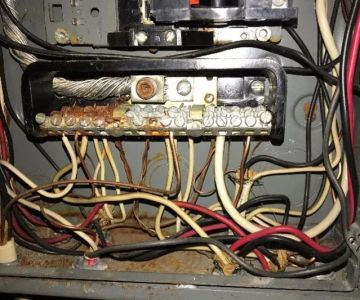
 Good Roads Water Damage Experts5.0 (1 reviews)
 R&R Foundation Specialist4.0 (305 reviews)
 MJ White4.0 (102 reviews)
 ATI Restoration3.0 (25 reviews)
 Modernistic4.0 (251 reviews)
 ServiceMaster Cleaning Services4.0 (27 reviews)
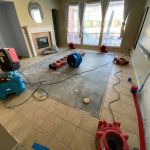 Water Damage Restoration for Retail Spaces – Expert Tips and Real Cases
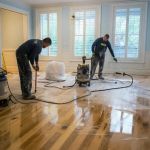 How to Prevent and Repair Water Damage in Commercial Properties
 How to Protect Your Home’s Electrical System from Water Damage: Essential Tips
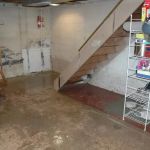 Flooded Basement? Here’s How to Restore It Safely
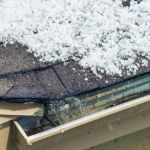 How to Handle Water Damage After a Storm: A Step-by-Step Guide
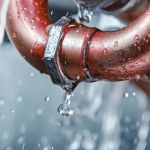 How to Handle Water Damage from Burst Pipes: A Step-by-Step Guide