
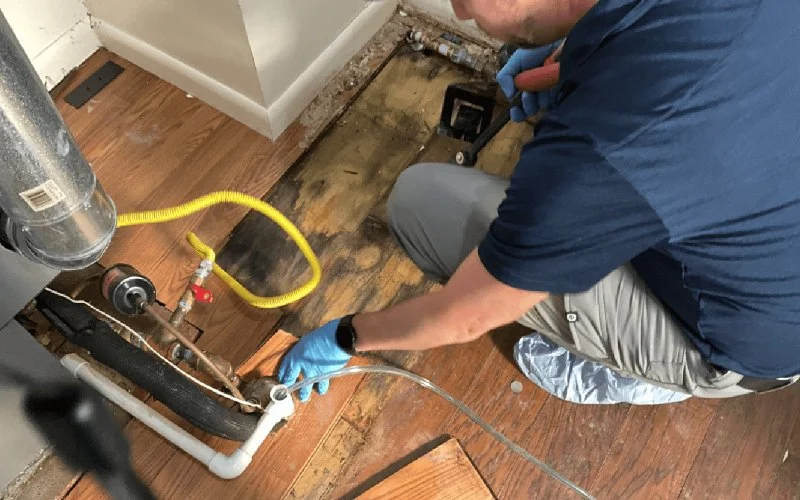
What to Expect During Water Damage Restoration: An In-Depth Look
Water damage can be one of the most stressful situations a homeowner or business owner can face. Whether caused by a flood, burst pipe, or leaky roof, understanding what to expect during the water damage restoration process is crucial for getting your property back to normal as quickly and efficiently as possible. In this article, we'll provide an in-depth look at the steps involved in water damage restoration, the techniques used by professionals, and how you can manage the recovery process effectively.
- 1. Water Damage Restoration Overview
- 2. Initial Assessment and Safety Measures
- 3. The Water Damage Restoration Process
- 4. Dealing with Specialized Water Damage
- 5. Real-World Examples of Water Damage Restoration
1. Water Damage Restoration Overview
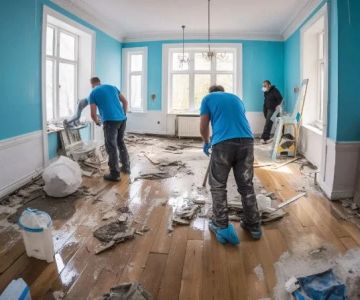
Water damage restoration is a multi-step process designed to remove excess moisture from your property and prevent further damage. The main goals of water damage restoration are to mitigate structural damage, prevent mold growth, and restore the property to its original condition. The process involves several stages, including water extraction, drying, cleaning, and repairs.
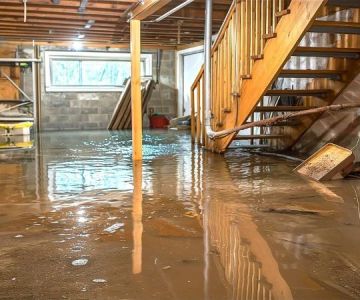
The type and extent of damage determine the specific methods and equipment used in the restoration. For example, a flooded basement requires different approaches than a water-damaged kitchen due to varying moisture levels and structural concerns. A professional restoration service will assess the situation and develop a tailored plan for your property.
Giants / dry kings restoration of san francisco
San FranciscoSan Francisco CountyCalifornia
685 Geary Blvd, San Francisco, CA 94102, USA
2. Initial Assessment and Safety Measures
The first step in any water damage restoration project is a thorough assessment. This includes determining the source of the water, how far it has spread, and identifying any hazards such as contaminated water, electrical risks, or structural weaknesses. During this stage, restoration professionals will often:
- Inspect the affected areas to identify the type of water damage (clean water, gray water, or black water)
- Check for safety hazards, including mold, structural integrity issues, and electrical hazards
- Determine the best method for extracting water and drying the area
Once the initial assessment is complete, safety measures are put in place. This could include shutting off power or gas, isolating the affected areas, and using personal protective equipment (PPE) to safeguard both the workers and the property occupants. The quicker you act to ensure safety, the less damage you will have to repair later.

Wizard Restorations Inc / puroclean of san fernando
Rancho CucamongaSan Bernardino CountyCalifornia
10245 8th St, Rancho Cucamonga, CA 91730, USA
3. The Water Damage Restoration Process
After the initial assessment and safety precautions, the actual restoration work begins. Here’s a breakdown of what you can expect during the restoration process:
3.1 Water Extraction
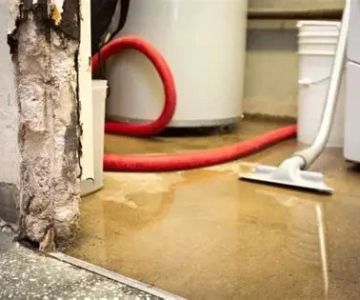
The first step in the restoration process is removing as much water as possible. This is done using industrial-grade pumps and vacuums to remove standing water from floors, carpets, and furniture. Water extraction is a critical first step, as it prevents further absorption into building materials such as drywall and wood, which can result in more extensive damage over time.
3.2 Drying and Dehumidification
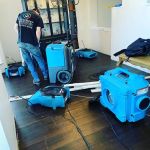
Once the bulk of the water is removed, it’s essential to dry out the affected areas. Restoration professionals use air movers, fans, and dehumidifiers to reduce moisture levels in the air and on surfaces. Drying should be done as quickly as possible to prevent the growth of mold and mildew, which can begin within 24–48 hours of water exposure.
3.3 Cleaning and Sanitizing
Water-damaged areas need to be thoroughly cleaned and sanitized to prevent contamination and odors. This involves cleaning carpets, furniture, and walls to remove debris, mold, and harmful bacteria. Specialized cleaning products and equipment are used to ensure all surfaces are properly treated and sanitized. In some cases, professional antimicrobial treatments may be applied to prevent future mold growth.
3.4 Repairs and Restoration
Once the drying and cleaning stages are complete, repairs can begin. This can involve anything from replacing damaged drywall, flooring, or insulation to more extensive structural repairs. In severe cases, plumbing, electrical systems, or HVAC components may also need to be replaced or repaired.
4. Dealing with Specialized Water Damage
While many water damage restoration services focus on common flooding and leak scenarios, there are some specialized situations that require expert knowledge and equipment:
4.1 Mold Remediation
If water damage is left untreated for too long, mold and mildew can begin to grow in damp, dark areas. Mold remediation requires specialized training and equipment to safely remove mold, treat surfaces, and prevent it from returning.
4.2 Sewage and Black Water Damage
Water damage caused by sewage backup or floods involving black water (water contaminated with chemicals, pathogens, or waste) requires immediate professional attention. This type of water damage can pose serious health risks and requires special containment and sanitation measures.
4.3 Structural Repair
Severe water damage can weaken the structural integrity of your building. In such cases, repairing beams, foundations, and load-bearing walls is essential for restoring the safety and stability of the property.
5. Real-World Examples of Water Damage Restoration
To give you a better understanding of the restoration process, let’s look at some real-world examples of water damage restoration:
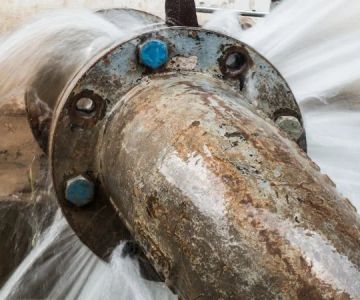
In 2020, a commercial office building in downtown Chicago experienced significant water damage after a burst pipe flooded multiple floors. The restoration team arrived promptly, using water extraction equipment to clear the building. Drying and dehumidification processes took several days due to the size of the structure, but the team was able to restore the property without major structural damage. The success of the project relied heavily on timely intervention and the use of advanced equipment for drying and sanitizing.
Another example comes from a residential home in Miami, which suffered flood damage from a heavy rainstorm. The water rose to a level that affected the lower floors and basement. The restoration team first handled water extraction and then focused on mold prevention by using dehumidifiers and applying antimicrobial treatments. After the area was dry, the team replaced the carpet and drywall in the basement, restoring the home to its original condition.
If you find yourself in need of professional water damage restoration services, be sure to visit Reliable Damage Hub for the best products and services to help you recover and restore your property quickly and safely.
 Flood Pros Water Damage Restoration4.0 (297 reviews)
 ECOS Environmental & Disaster Restoration, Inc.5.0 (4 reviews)
 Vortex Water Damage Repair N. Lauderdale5.0 (35 reviews)
 Roto-Rooter Plumbing & Water Cleanup4.0 (1621 reviews)
 Champion Waterproofing4.0 (219 reviews)
 DCS Cleaning Service3.0 (11 reviews)
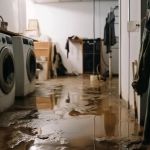 How to Protect Your Property From Water Damage While on Vacation
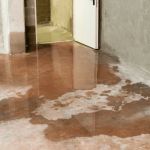 How to Handle Water Damage in Your Home’s Attic and Roof
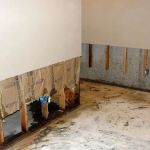 How to Repair Water-Damaged Basement Walls Effectively
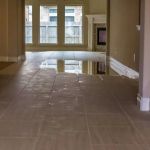 How to Assess the Extent of Water Damage in Your Home: A Comprehensive Guide
 How to Restore Water-Damaged Clothing and Textiles
 Water Damage Restoration for Restaurants: How to Protect Your Business