
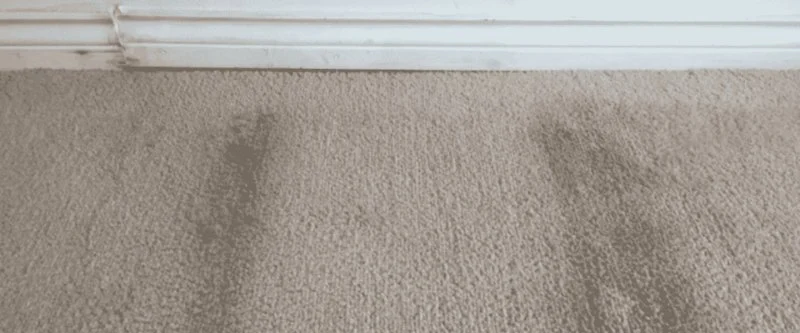
How to Dry Out Water-Damaged Rugs Quickly
- 1. Understanding Water Damage on Rugs
- 2. Immediate Actions to Take When Your Rug Gets Wet
- 3. Effective Methods to Dry Out Water-Damaged Rugs
- 4. Preventing Future Water Damage on Your Rugs
- 5. When to Seek Professional Help for Rug Water Damage
1. Understanding Water Damage on Rugs
Water damage on rugs can happen for several reasons—flooding, leaking pipes, or even accidental spills. Whatever the cause, it's essential to act quickly to prevent permanent damage. When a rug absorbs water, it can lead to discoloration, warping, mold growth, and a persistent musty smell. Understanding how water affects your rug can help you choose the right steps to dry it out and prevent further damage.

Kustom US Restoration / kustom restoration
1215 W Houston Ave Suite A, Gilbert, AZ 85233, USA
2. Immediate Actions to Take When Your Rug Gets Wet
The quicker you respond to water damage, the less chance your rug will incur lasting harm. Here are the first steps to take:
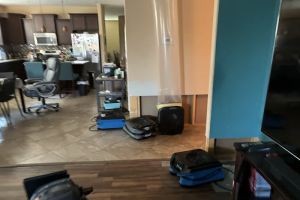
Drip Restoration / valleywide restoration mesa az
932 S Stapley Dr, Mesa, AZ 85204, USA
2.1 Remove Excess Water
If your rug is soaking wet, your first priority is to remove as much water as possible. You can use towels, a wet/dry vacuum, or a mop to absorb excess water. For larger spills or flooding, using a wet-dry vacuum or a water pump will be more effective in getting rid of the water quickly.
2.2 Lift the Rug
After removing the water, lift the rug off the floor to prevent the underlying surface from getting damaged. If the rug is placed on a hard surface, like tile or hardwood, this is especially important to avoid water seeping into the floorboards.
2.3 Dry the Area
Once the rug is lifted, dry the area underneath to prevent mold growth. Use towels or a fan to dry the floor, and make sure the area is well-ventilated. Open windows and doors to allow fresh air to circulate, which will help speed up the drying process.
3. Effective Methods to Dry Out Water-Damaged Rugs
Now that the immediate water removal steps are complete, it’s time to focus on drying out the rug itself. Here are several effective methods to ensure your rug dries quickly and thoroughly:
3.1 Air Drying
The most natural way to dry a rug is by air drying. Hang your rug outside in a shaded area with good airflow. If it's too large to hang, lay it flat on a clean, dry surface such as a large tarp or several towels. You can use fans to help speed up the drying process. Ensure the rug is completely flat to avoid any creases or deformities.
3.2 Use a Fan or Dehumidifier
Place fans around the rug to increase air circulation and help it dry faster. If the humidity is high in your area, consider using a dehumidifier to remove moisture from the air and speed up the drying process. The dehumidifier will also help prevent mold and mildew from developing in the rug fibers.
3.3 Use a Carpet Rake or Brush
To help the drying process and avoid the rug becoming misshapen, use a carpet rake or brush to lift the fibers. This will allow air to circulate through the fibers more effectively and help prevent any matted or flattened sections.
3.4 Dry in the Sun (Cautiously)
If the rug is durable and colorfast, you can place it outside under direct sunlight. The heat from the sun helps to evaporate the moisture faster. However, be cautious with delicate or wool rugs, as prolonged exposure to sunlight can cause fading and damage.
4. Preventing Future Water Damage on Your Rugs
While it’s crucial to handle water damage immediately, it’s just as important to take steps to prevent it in the future. Here are some tips to reduce the risk of water damage:
4.1 Install a Rug Pad
Using a rug pad can help to protect the rug from spills and water damage. It keeps the rug slightly elevated, allowing air to circulate underneath. Additionally, rug pads can absorb small amounts of moisture before it reaches the rug fibers.
4.2 Waterproofing Rugs
If your rug is particularly prone to spills, consider applying a rug waterproofing spray. These products help to prevent liquids from being absorbed into the fibers, making cleanup easier and reducing the likelihood of permanent damage from water.
4.3 Improve Drainage Around Your Home
If water damage is due to flooding or leaks, improving the drainage around your home can prevent future incidents. Ensure that downspouts are directed away from your home’s foundation, and consider installing a sump pump or French drains to prevent water from entering your basement or living areas.
5. When to Seek Professional Help for Rug Water Damage
Sometimes, water damage can be too severe or complex to handle on your own. If the rug is heavily saturated, has mold growth, or if the water has been absorbed for an extended period, it's best to seek professional help. Professionals can not only help restore the rug but also ensure that mold and mildew don’t become a health hazard. At Reliable Damage Hub, we offer expert water damage restoration services, including rug cleaning, drying, and mold remediation, to help you restore your rug and home.
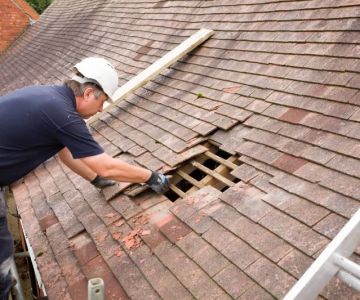
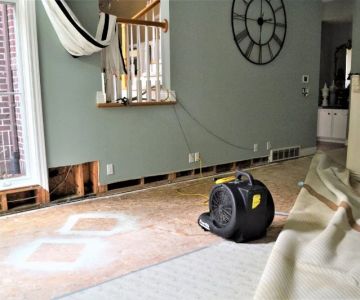
 Good Roads Water Damage Experts5.0 (1 reviews)
 R&R Foundation Specialist4.0 (305 reviews)
 MJ White4.0 (102 reviews)
 ATI Restoration3.0 (25 reviews)
 Modernistic4.0 (251 reviews)
 ServiceMaster Cleaning Services4.0 (27 reviews)
 Water Damage Restoration for Retail Spaces – Expert Tips and Real Cases
 How to Prevent and Repair Water Damage in Commercial Properties
 How to Protect Your Home’s Electrical System from Water Damage: Essential Tips
 Flooded Basement? Here’s How to Restore It Safely
 How to Handle Water Damage After a Storm: A Step-by-Step Guide
 How to Handle Water Damage from Burst Pipes: A Step-by-Step Guide