
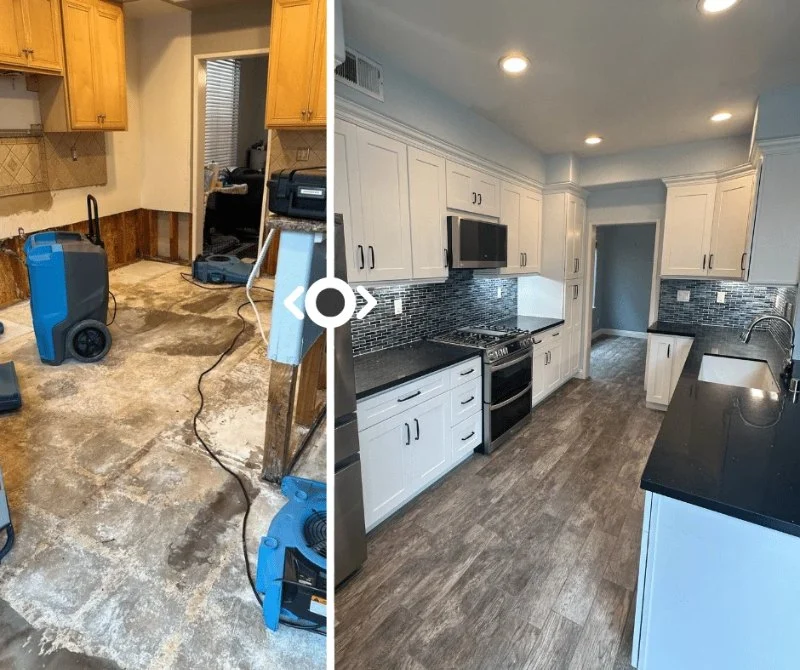
Water Damage Restoration for Multi-Family Homes
- 1. Introduction: Why Water Damage Restoration is Essential for Multi-Family Homes
- 2. Common Causes of Water Damage in Multi-Family Homes
- 3. The Water Damage Restoration Process: What to Expect
- 4. Preventative Measures to Avoid Future Water Damage
- 5. Real-Life Example: Successful Water Damage Restoration in a Multi-Family Home
1. Introduction: Why Water Damage Restoration is Essential for Multi-Family Homes
Water damage can be devastating, especially in multi-family homes where multiple units are affected by a single incident. Whether it's a leaky roof, burst pipes, or flooding, water damage can lead to structural issues, mold growth, and a decline in property value. In this article, we will explore the importance of water damage restoration in multi-family homes and provide insight into the steps involved in the restoration process. We’ll also cover how property owners and tenants can prevent water damage and mitigate risks in the future.
2. Common Causes of Water Damage in Multi-Family Homes
Understanding the common causes of water damage is crucial for property owners and residents of multi-family homes. Some of the most frequent causes include:
- Leaky Roofs: Roof leaks are common in older buildings and can cause extensive damage if not addressed promptly. Water can seep into ceilings and walls, affecting multiple units below.
- Burst Pipes: Frozen or old pipes are vulnerable to bursting, especially during colder months. A burst pipe can flood entire floors and impact several units.
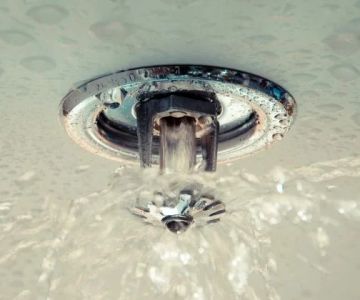
- Plumbing Failures: Plumbing issues such as clogged drains or faulty appliances (e.g., washing machines, dishwashers) can cause significant water damage to multiple areas within a building.
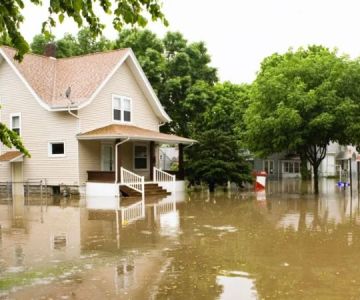
- Flooding: Severe weather conditions or nearby water sources can cause flooding that affects a large portion of a multi-family complex, leading to both immediate and long-term water damage.
- Condensation Issues: High humidity levels in apartments or condominiums can lead to condensation on windows and walls, eventually causing water damage if not controlled.
3. The Water Damage Restoration Process: What to Expect
Water damage restoration in multi-family homes typically involves several key steps. Here’s what to expect when dealing with water damage restoration:
- Assessment and Inspection: The first step is to assess the damage. Professionals inspect the affected areas to determine the extent of the water damage, identify the source of water, and decide on the restoration strategy.
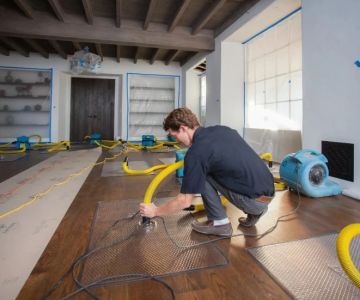
- Water Extraction: Once the assessment is complete, the water is extracted using powerful pumps and vacuums. This step is essential to prevent further damage and mold growth.
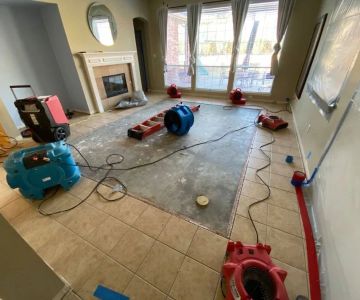
- Drying and Dehumidification: The next phase involves drying out the affected areas with industrial fans and dehumidifiers. This step can take several days to ensure that all moisture is removed from walls, floors, and other surfaces.
- Cleaning and Sanitization: After drying, the restoration team cleans and sanitizes the affected areas to remove any contaminants. This is especially important to prevent the growth of mold and bacteria.
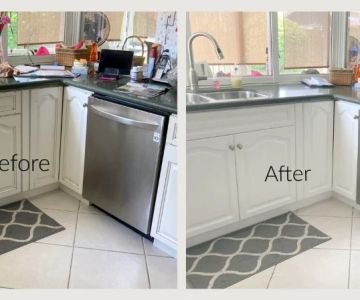
- Restoration and Repair: Finally, the damaged areas are repaired. This can include replacing drywall, flooring, or insulation, as well as repairing plumbing systems and repainting surfaces.
4. Preventative Measures to Avoid Future Water Damage
Preventing water damage is always more cost-effective than dealing with the aftermath. Here are some preventative measures for multi-family homes:
- Regular Inspections: Property owners should schedule regular inspections of the roof, plumbing, and appliances to identify potential issues before they cause damage.
- Proper Drainage: Ensure that gutters and downspouts are clear of debris to prevent water buildup that can damage the roof or foundation.
- Seal Windows and Doors: Properly seal windows and doors to prevent water intrusion during heavy rainfall or storms.
- Insulate Pipes: In colder climates, insulating pipes can prevent freezing and reduce the risk of burst pipes.
- Install Moisture Detectors: Installing moisture detectors and sump pumps in high-risk areas can help identify leaks early and prevent extensive water damage.
5. Real-Life Example: Successful Water Damage Restoration in a Multi-Family Home
A property management company in Florida recently faced a water damage crisis when a burst pipe flooded several units in one of their multi-family buildings. The water spread rapidly through the building’s plumbing system, affecting multiple floors. After quickly contacting a professional water damage restoration team, the company was able to minimize the damage. The restoration team worked swiftly to extract the water, dry the affected areas, and repair the plumbing. Within a week, the affected units were restored, and tenants were able to move back in. The property management company has since implemented preventive measures to ensure the issue does not recur, including regular pipe inspections and the installation of moisture sensors in key areas.
Water damage can happen at any time, but with the right knowledge and preparation, it is possible to minimize its impact. If you’re a property owner or manager of a multi-family home, taking proactive steps and understanding the restoration process can help you address water damage effectively and keep your tenants safe and comfortable.
 Pioneer Basement Waterproofing4.0 (782 reviews)
 FRSTeam of the Ark-La-Tex0.0 (0 reviews)
 Restoration Rx5.0 (37 reviews)
 Vision Hill Renovation5.0 (20 reviews)
 RMI Services Corporation4.0 (57 reviews)
 SERVPRO of Monterey Park4.0 (43 reviews)
 Water Damage Restoration for Offices: A Complete Guide
 How to Handle Water Damage From Laundry Rooms | Reliable Damage Hub
 Water Damage Restoration for Hotels: Best Practices and Tips in 2025
 Common Causes of Water Damage in Homes and How to Prevent Them
 How to Handle Water Damage From Broken Toilets | Reliable Damage Hub
 Water Damage Repair for Basement Flooring