
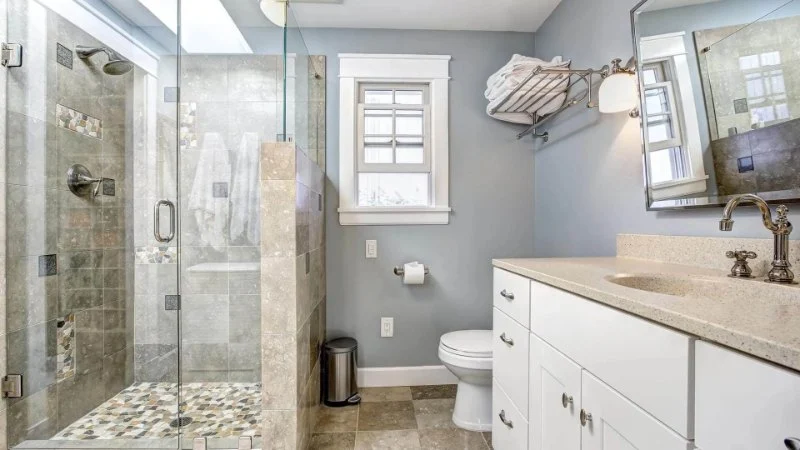
What to Do When Your Bathroom Floods
- 1. Understand the Cause of Bathroom Flooding
- 2. Initial Actions to Take Immediately
- 3. Long-Term Prevention Tips
- 4. How Reliable Damage Hub Can Assist
- 5. Real-Life Examples of Bathroom Flooding
1. Understand the Cause of Bathroom Flooding
A bathroom flood can occur for a variety of reasons. Understanding the root cause is essential to both solving the immediate issue and preventing future floods. The most common reasons include:
• Blocked drains or pipes: Blockages can cause water to overflow and flood the bathroom.
• Leaking fixtures: Faucets, showerheads, or bathtubs can leak over time, leading to slow but continuous flooding.
• Broken pipes: Pipes that burst or crack can release large amounts of water quickly.
By understanding the source of the flood, you can take the appropriate actions to prevent further damage. For more information on how to manage these issues, you can check out Reliable Damage Hub.
2. Initial Actions to Take Immediately
When your bathroom floods, taking quick action is crucial to minimize damage to your property. Here's what you should do:
• Turn off the water supply: If the flooding is due to a broken pipe or plumbing issue, shutting off the main water valve will prevent more water from entering the bathroom.
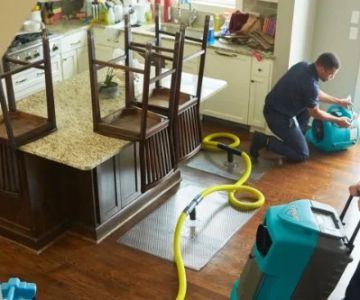
• Remove excess water: Use towels, mops, or a wet-dry vacuum to soak up as much water as possible. The sooner you remove the water, the less likely it is to damage flooring and furniture.
• Inspect for hidden damage: Check for leaks behind walls or under fixtures, as water can seep into places you don't immediately notice. This can help prevent mold or mildew growth.
3. Long-Term Prevention Tips
Once the flooding has been addressed, it’s time to take steps to ensure it doesn’t happen again. Here are a few long-term prevention tips:
• Regular maintenance: Check plumbing fixtures and drains regularly for leaks, corrosion, and blockages. Early detection can prevent larger issues.
• Install a sump pump: If your bathroom is located in a basement or a low-lying area, a sump pump can help remove excess water before it floods.
• Waterproofing: Consider sealing cracks or applying waterproof coatings to prevent water from seeping into walls or floors. For specialized products, visit Reliable Damage Hub.
4. How Reliable Damage Hub Can Assist
When dealing with bathroom flooding, you need reliable tools and products to help you manage and prevent damage. At Reliable Damage Hub, we offer a wide selection of products, including plumbing repair kits, water damage restoration services, and waterproofing solutions. Our experts are ready to help you tackle any flood-related issue and ensure your bathroom stays safe and dry.
5. Real-Life Examples of Bathroom Flooding
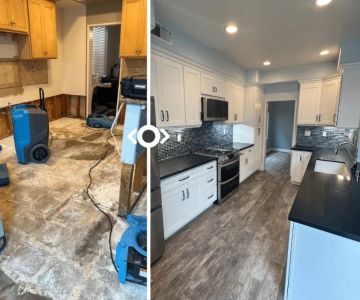
Flooding in bathrooms isn’t uncommon, and many homeowners have faced similar situations. One example is a homeowner who experienced a burst pipe behind the toilet, which caused significant water damage to the floors. However, with quick action and the right restoration tools from Reliable Damage Hub, they were able to fix the issue and prevent future flooding.
In another case, a clogged drain led to a slow but persistent flood. After using a drain cleaning solution and installing a sump pump, the homeowner effectively stopped the water from accumulating in the bathroom. These real-life examples highlight the importance of taking quick, informed action when dealing with flooding and water damage.
 Smart Dry Port Saint Lucie4.0 (9 reviews)
 RestorePro Reconstruction and Restoration - Wilmington, NC5.0 (24 reviews)
 Ron's Restoration & Services LLC3.0 (10 reviews)
 SERVPRO of Indianapolis South4.0 (53 reviews)
 Sani-Tred4.0 (66 reviews)
 24/7 Emergency Water Removal, Inc.4.0 (4 reviews)
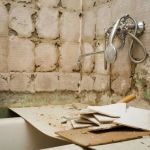 How to Clean and Restore a Water-Damaged Bathroom: Step-by-Step Guide
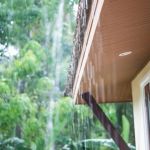 How to Prevent Water Damage From Heavy Rainfall – Effective Home Protection Tips
 Water Damage Repair for Office Ceilings: Essential Steps for Restoration
 How to Repair Water-Damaged Wall Panels: A Step-by-Step Guide
 How to Repair Water-Damaged Electrical Systems Safely
 How to Clean Water-Damaged Carpeting and Area Rugs