Sewage Backup at Home: Isolate the Area and Call for Help
Table of contents
Quick answer
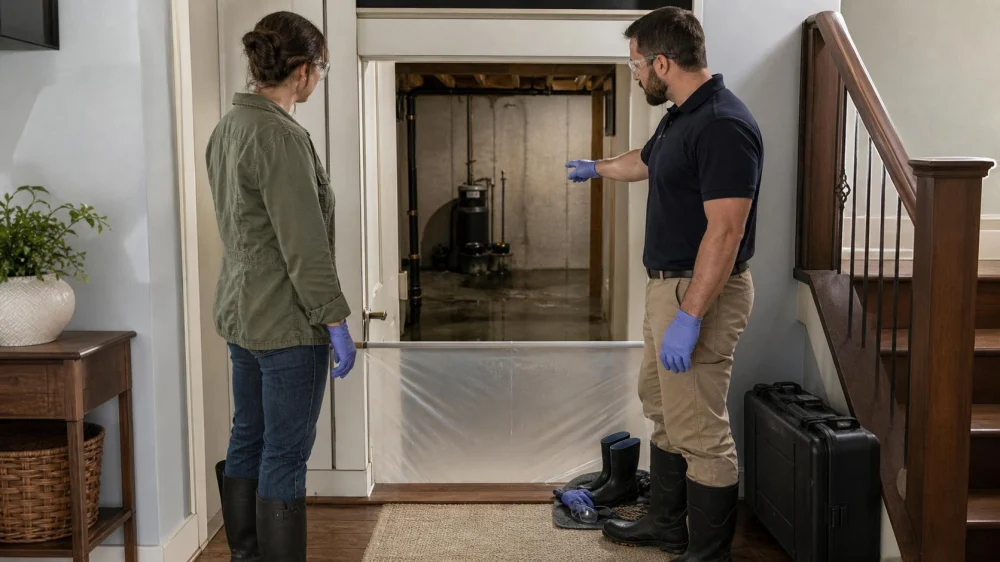
Keep people and pets away from sewage-contaminated water, stop using toilets, sinks, showers, washers, and dishwashers, and call the sewer utility and a qualified plumber or restoration professional. Do not enter standing water where electricity may be present. Photograph from a safe place, notify the insurer, and use professional cleanup when contamination, porous materials, or hidden spaces are involved.
Giants / dry kings restoration of san francisco
San FranciscoSan Francisco CountyCalifornia
685 Geary Blvd, San Francisco, CA 94102, USA
First actions
- Block access and keep children, pets, food, medicines, and personal items away.
- Stop household water use so the backup does not worsen.
- If safe from a dry location, identify whether neighbours or the street have similar problems and call the local sewer utility.
- Call a licensed plumber to determine whether the blockage is in private plumbing.
- Notify the insurer and ask about emergency mitigation and approved documentation.
- Ventilate only when doing so will not spread contaminants into clean areas or create weather and security risks.
Do not use a plunger, drain snake, chemical cleaner, or cleanout cap when the system is actively backing up unless a professional directs the action.

Kustom US Restoration / kustom restoration
1215 W Houston Ave Suite A, Gilbert, AZ 85233, USA
Electrical and gas hazards
CDC guidance says that if standing water is present and power can be turned off from a dry location, it may be switched off; if reaching the main requires entering water, call an electrician. Do not touch panels, cords, appliances, outlets, or HVAC equipment while standing in water.
If you smell gas, hear escaping gas, or suspect a damaged appliance, leave immediately without operating switches or creating a spark and contact emergency services and the gas utility from outside.
Report and document
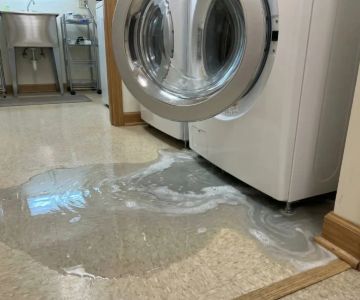
- take wide photos showing the source area and water extent;
- record the time, affected fixtures, weather, utility calls, and reference numbers;
- photograph water lines, floor and wall materials, appliances, and damaged contents;
- list items by room without handling contaminated property unnecessarily;
- save invoices, sampling or disposal records, and contractor moisture documentation;
- keep sewage and clean-water losses separated in the claim notes.
Cleanup boundaries
Sewage can contain harmful microorganisms and chemicals. CDC advises rubber boots, rubber gloves, and goggles when sewage is involved, and removal of drywall and insulation contaminated by sewage or floodwater. Extensive contamination, HVAC involvement, immunocompromised occupants, hidden cavities, and electrical hazards support professional remediation.
Never mix bleach with ammonia, acids, or other cleaners. Cleaning and disinfection must follow product labels, surface compatibility, ventilation needs, and public-health guidance. Drying equipment should be selected and placed so it does not aerosolise contamination into clean space.
Limitations
This guide cannot determine contamination category, pipe ownership, coverage, or safe re-entry. Municipal sewer, private lateral, septic, groundwater, and stormwater events require different responses. Local health, utility, building, and waste-disposal rules apply.
FAQ
Can I walk through it in ordinary shoes?
No. Avoid contact. Contaminated water may hide sharp objects and expose skin or clothing.
Should I run fans?
Not before the area and contamination pathway are assessed. Air movement can spread contaminants.
Who determines whether it is a city problem?
The local sewer utility and plumber can investigate their respective systems; responsibility boundaries vary.
Can carpet be saved?
Porous materials contaminated with sewage are often discarded under public-health guidance. A qualified professional should assess the exact material and event.
Sources and evidence notes
- CDC: Reentering Your Flooded Home — sewage, electricity, gas, and re-entry hazards.
- CDC: Cleaning Safely After a Disaster — protective equipment and contaminated porous materials.
- EPA: Sanitary Sewer Overflows — causes and public-health threat.
Next steps
Stop water use, isolate the area, avoid electrical contact, and call the utility, plumber, restoration professional, and insurer. Document only from a safe position and do not start broad cleaning or demolition until hazards and the response plan are clear.
 Mimms Roofing4.0 (11 reviews)
 SERVPRO of Louisa, Orange & Madison Counties5.0 (48 reviews)
 SERVPRO of St. Augustine, St. Augustine Beach, S. Nocatee and World Golf Village4.0 (181 reviews)
 Indiana Foundation Service4.0 (33 reviews)
 Neighborhood Painting and Restoration4.0 (156 reviews)
 360° Painting of Augusta4.0 (41 reviews)
 Can I Repair Water Damage Myself? Here’s What You Should Know
 How to Restore Water-Damaged Kitchen Cabinets - Step-by-Step Guide
 What Is Black Water Damage and Why It Requires Immediate Action
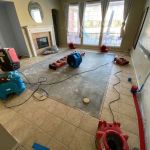 Water Damage Restoration Techniques for Large Homes
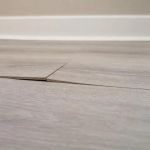 Why Laminate Flooring Swells After a Water Leak
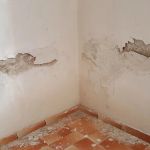 Average Cost of Fixing Water Damage in a House: Detailed Breakdown