
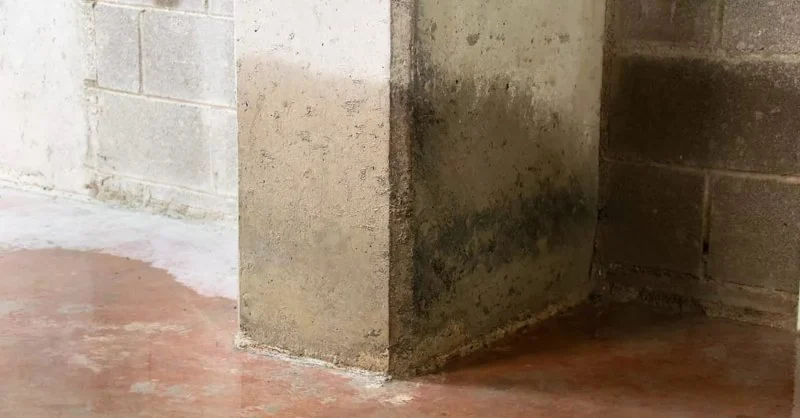
- Understanding Water Damage on Concrete
- Steps to Dry Water-Damaged Concrete Surfaces
- Tools and Materials Needed
- Common Mistakes to Avoid When Drying Concrete
- Preventing Future Water Damage to Concrete
1. Understanding Water Damage on Concrete
Concrete surfaces, whether inside or outside your home, are susceptible to water damage due to their porous nature. When concrete absorbs water, it can cause deterioration over time, leading to cracks, discoloration, and even structural weakening. This is especially true if the water is allowed to sit for an extended period. Whether it’s due to a flood, leaky pipes, or simply high humidity, knowing how to dry out water-damaged concrete is crucial to maintaining the integrity and aesthetics of your surfaces.
Water damage in concrete often manifests in the form of stains, mold, mildew, or a distinct musty smell. In severe cases, it can lead to efflorescence, which appears as white, powdery stains on the surface of the concrete. If left untreated, the damage could spread, potentially compromising the structure of the concrete and leading to costly repairs.

Drip Restoration / valleywide restoration mesa az
932 S Stapley Dr, Mesa, AZ 85204, USA
2. Steps to Dry Water-Damaged Concrete Surfaces
Drying out water-damaged concrete surfaces requires a methodical approach to ensure the concrete is thoroughly dried and the integrity of the surface is restored. Follow these steps to effectively dry out your concrete:
SERVPRO of Pompano Beach / servpro fort lauderdale south
Pompano BeachBroward CountyFlorida
2101 NW 33rd St #200a, Pompano Beach, FL 33069, USA
1. Assess the Extent of the Damage
Before you begin drying out the concrete, it’s essential to assess how much damage has occurred. Look for signs of mold, mildew, or significant water absorption. If the concrete is severely cracked or the water has been stagnant for a long period, you may need to consider professional assistance for repairs.
2. Remove Standing Water
If there is standing water on the concrete surface, it’s important to remove it as quickly as possible. Use a wet/dry vacuum or mop to clear the area of excess water. The longer the water remains, the deeper it will be absorbed into the concrete, making the drying process more difficult.
3. Increase Ventilation
One of the most effective ways to dry concrete is to increase airflow around the affected area. Open windows, doors, or use fans to create circulation. If the water damage is extensive, you may want to invest in industrial fans or dehumidifiers to expedite the drying process. The goal is to allow the moisture to evaporate from the concrete surface as quickly as possible.
4. Use Absorbent Materials
For concrete that has absorbed water, it can help to use absorbent materials such as towels or rags. Place them over the surface to draw out the moisture. Change the towels regularly until the concrete feels dry to the touch. This method works best for smaller, localized water damage.
5. Dry with Heat if Necessary
If the water damage is significant, consider using a heat gun or portable heater to apply gentle heat to the concrete. Heat helps accelerate the drying process by drawing out the moisture trapped within the concrete. However, make sure not to apply too much heat, as this could cause the concrete to crack or become brittle.
3. Tools and Materials Needed
Having the right tools and materials will ensure the drying process is efficient and effective. Here are some items you might need:
- Wet/Dry Vacuum: Ideal for removing standing water quickly from the surface of the concrete.
- Fans or Dehumidifiers: Essential for increasing airflow and reducing moisture levels in the affected area.
- Absorbent Towels or Rags: Used to blot up moisture and help draw water out of the concrete.
- Heat Gun or Portable Heater: Helps apply gentle heat to the concrete for faster drying, but should be used with caution.
- Mold Cleaner: If mold has formed, it’s important to use a mold cleaner specifically designed for use on concrete surfaces.
4. Common Mistakes to Avoid When Drying Concrete
While drying water-damaged concrete, there are a few common mistakes that can hinder the process or lead to further damage:
- Skipping the Initial Cleanup: Failing to remove standing water immediately can lead to deeper absorption and more severe damage.
- Overheating the Surface: Applying excessive heat can cause the concrete to crack or become weakened, making the problem worse.
- Not Monitoring Moisture Levels: It’s important to regularly check the moisture content of the concrete using a moisture meter. If it remains high, continue the drying process until fully dry.
- Ignoring Mold Growth: If you notice signs of mold, it’s important to clean it as soon as possible to prevent it from spreading and causing health issues.
5. Preventing Future Water Damage to Concrete
Once your concrete surfaces are dry and restored, taking steps to prevent future water damage is essential. Here are a few measures you can take to protect your concrete:
- Sealing the Concrete: Apply a high-quality concrete sealer to protect against water penetration. This helps keep moisture from seeping into the surface and causing damage in the future.
- Maintain Proper Drainage: Ensure that your gutters, downspouts, and drainage systems are working properly to prevent water from pooling near concrete surfaces.
- Monitor for Leaks: Regularly inspect your home for leaks or standing water, especially after heavy rainfall. Early detection can help prevent long-term damage.
For additional products and tools to help you with concrete restoration, check out Reliable Damage Hub, where you can find expert advice and the best tools for your project.
 Good Roads Water Damage Experts5.0 (1 reviews)
 R&R Foundation Specialist4.0 (305 reviews)
 MJ White4.0 (102 reviews)
 ATI Restoration3.0 (25 reviews)
 Modernistic4.0 (251 reviews)
 ServiceMaster Cleaning Services4.0 (27 reviews)
 Water Damage Restoration for Retail Spaces – Expert Tips and Real Cases
 How to Prevent and Repair Water Damage in Commercial Properties
 How to Protect Your Home’s Electrical System from Water Damage: Essential Tips
 Flooded Basement? Here’s How to Restore It Safely
 How to Handle Water Damage After a Storm: A Step-by-Step Guide
 How to Handle Water Damage from Burst Pipes: A Step-by-Step Guide