
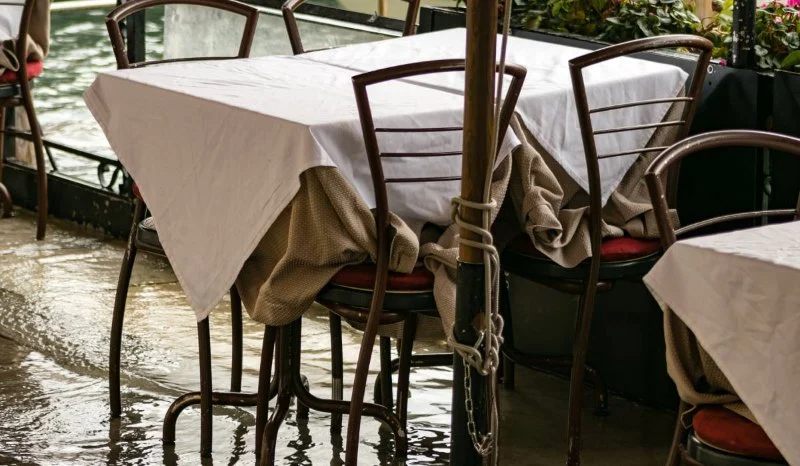
- Water Damage Restoration for Restaurants
- 1. Understanding Water Damage in Restaurant Settings
- 2. Common Causes of Water Damage in Restaurants
- 3. The Impact of Water Damage on Restaurant Operations
- 4. The Professional Water Damage Restoration Process
- 5. Real Case Study: How a Restaurant Recovered from Major Water Damage
- 6. Prevention Tips for Restaurant Owners
- 7. Why Choose Reliable Damage Hub for Restaurant Restoration
Water Damage Restoration for Restaurants
For any restaurant, time is money—and when water damage strikes, both are at risk. Water damage restoration for restaurants is not just about cleaning up the mess; it’s about restoring a safe, hygienic environment where food can be prepared and customers can dine with confidence. Whether caused by burst pipes, kitchen leaks, or heavy storms, water intrusion can disrupt business operations and pose serious health and safety risks. Understanding the right restoration approach is essential for any restaurant owner who wants to recover quickly and prevent future incidents.
Drip Restoration / valleywide restoration mesa az
932 S Stapley Dr, Mesa, AZ 85204, USA
1. Understanding Water Damage in Restaurant Settings
Restaurants are highly susceptible to water damage due to their complex plumbing, constant water use, and high-traffic environments. A minor leak in a sink line or dishwasher can quickly escalate into a major problem, damaging floors, walls, and kitchen equipment. Moreover, because restaurants must maintain strict health and safety standards, even a small amount of contamination from standing water can result in temporary closure or health code violations.
Unlike residential properties, restaurants operate under constant scrutiny—so immediate and professional restoration is critical not only for safety but also for reputation management.

Kustom US Restoration / kustom restoration
1215 W Houston Ave Suite A, Gilbert, AZ 85233, USA
2. Common Causes of Water Damage in Restaurants
Several factors contribute to water damage in dining establishments, and identifying these risks early can prevent significant losses.
2.1 Burst or Leaking Pipes
Older buildings or poorly maintained plumbing systems are common culprits. A sudden pipe burst in a kitchen or restroom can flood areas in minutes, leading to expensive repairs and downtime.
2.2 Clogged Drains and Grease Traps
Restaurants handle large volumes of grease and food waste daily. Over time, buildup in drains or grease traps can cause blockages, leading to backups and overflows that affect both kitchens and dining areas.
2.3 Faulty Appliances
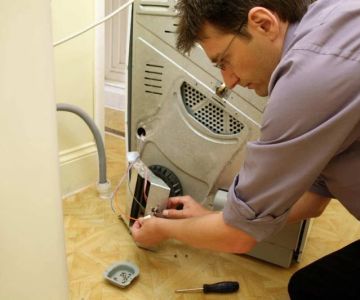
Commercial dishwashers, ice machines, and refrigerators rely on water connections that can leak or malfunction. Regular maintenance is vital to prevent hidden leaks that go unnoticed until it’s too late.
2.4 Roof and Foundation Leaks
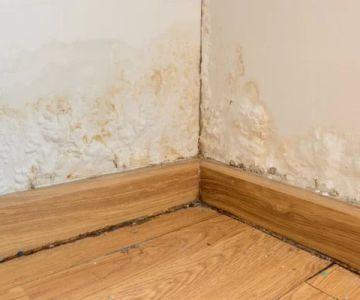
Heavy rain or damaged roofing can lead to ceiling leaks, while poor drainage around the building may cause water to seep into basements or storage areas. These structural issues not only damage property but also encourage mold growth if left unaddressed.
3. The Impact of Water Damage on Restaurant Operations
Water damage can halt operations instantly. Beyond visible damage, the presence of moisture and bacteria can compromise food safety standards. Mold spores and contaminated surfaces pose serious health risks, leading to potential violations of health regulations.
Even temporary closures can result in lost revenue, wasted food inventory, and long-term reputation damage. The key to minimizing impact is fast and effective restoration handled by experienced professionals familiar with food-service environments.
4. The Professional Water Damage Restoration Process
Restaurants require specialized restoration methods to ensure compliance with health codes and minimal downtime. Here’s how experts handle it:
4.1 Emergency Response and Assessment
Restoration teams first assess the source and severity of the damage. This includes identifying affected zones—kitchens, dining rooms, or storage areas—and testing for contamination.
4.2 Water Extraction and Moisture Removal
High-powered pumps and industrial dehumidifiers are used to extract standing water and reduce moisture levels. Quick action here prevents further damage to flooring, furniture, and electrical systems.
4.3 Sanitization and Odor Removal
All affected surfaces are cleaned with EPA-approved disinfectants safe for food environments. This eliminates bacteria, odors, and potential mold spores, ensuring a hygienic space before reopening.
4.4 Structural Repairs and Equipment Restoration
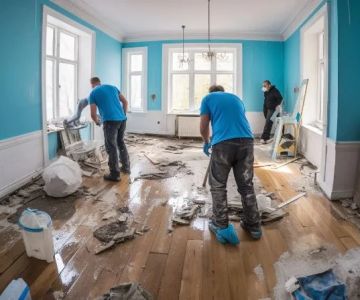
Damaged drywall, flooring, and fixtures are repaired or replaced. In addition, specialized cleaning restores kitchen equipment to working condition while preserving its longevity.
5. Real Case Study: How a Restaurant Recovered from Major Water Damage
In 2023, a family-owned seafood restaurant in Florida suffered a massive water leak after a pipe burst overnight. By morning, the dining area and kitchen were flooded. Thanks to a quick response from a professional restoration team, over 90% of the kitchen equipment was salvaged, and the restaurant reopened within 10 days.
The owners credited their preparedness plan and immediate call to specialists for saving their business. “Reliable Damage Hub helped us get back on our feet faster than we imagined,” the owner shared. “They not only fixed the damage but made sure everything met health and safety codes.”
6. Prevention Tips for Restaurant Owners
Prevention is always more affordable than restoration. Here’s what restaurant owners can do to protect their business:
6.1 Schedule Routine Inspections
Have professional plumbers and roofing specialists inspect your property regularly, especially before heavy rain seasons. Identifying small leaks early prevents catastrophic damage later.
6.2 Maintain Grease Traps and Drains
Cleaning grease traps and drains weekly prevents blockages and overflow. This small maintenance habit can save thousands in potential repairs.
6.3 Install Water Leak Detectors
Smart water detection systems alert you to leaks instantly, allowing quick action even after hours. They’re especially useful in kitchens and storage areas.
6.4 Train Your Staff
Educate your employees on spotting warning signs such as damp floors, musty smells, or slow drains. A well-trained team can prevent major disasters through early reporting.
7. Why Choose Reliable Damage Hub for Restaurant Restoration
When disaster strikes, Reliable Damage Hub provides the expertise, speed, and reliability your restaurant needs. With years of experience in commercial restoration, their team understands the urgency of getting food-service businesses back to normal quickly and safely.
From water extraction and structural drying to deep sanitization and equipment recovery, Reliable Damage Hub ensures compliance with all health and safety regulations. Their goal is simple: restore your restaurant’s function, reputation, and profitability—without compromise.
 Good Roads Water Damage Experts5.0 (1 reviews)
 R&R Foundation Specialist4.0 (305 reviews)
 MJ White4.0 (102 reviews)
 ATI Restoration3.0 (25 reviews)
 Modernistic4.0 (251 reviews)
 ServiceMaster Cleaning Services4.0 (27 reviews)
 Water Damage Restoration for Retail Spaces – Expert Tips and Real Cases
 How to Prevent and Repair Water Damage in Commercial Properties
 How to Protect Your Home’s Electrical System from Water Damage: Essential Tips
 Flooded Basement? Here’s How to Restore It Safely
 How to Handle Water Damage After a Storm: A Step-by-Step Guide
 How to Handle Water Damage from Burst Pipes: A Step-by-Step Guide