
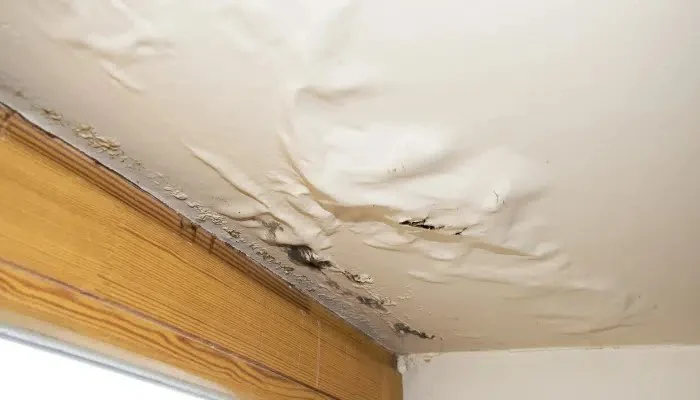
How to Spot Water Damage in Your Home’s Plumbing System
Water damage in your home’s plumbing system can often go unnoticed until it’s too late. Left unchecked, it can lead to significant structural damage and costly repairs. Early detection is key to avoiding severe consequences. In this article, we’ll discuss how to spot the signs of water damage in your plumbing system and what steps you can take to address the issue before it escalates.
Giants / dry kings restoration of san francisco
San FranciscoSan Francisco CountyCalifornia
685 Geary Blvd, San Francisco, CA 94102, USA
1. Common Signs of Water Damage from Plumbing
Water damage can manifest in various ways, and the signs may not always be immediately obvious. Below are some of the most common indicators that your plumbing system may be leaking or causing water damage:
SERVPRO of Pompano Beach / servpro fort lauderdale south
Pompano BeachBroward CountyFlorida
2101 NW 33rd St #200a, Pompano Beach, FL 33069, USA
2. Damp or Wet Spots on Walls
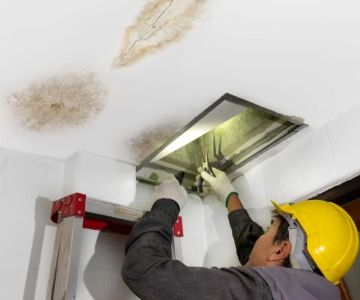
One of the most noticeable signs of water damage is the appearance of damp or wet spots on walls. If you notice water stains or discoloration, especially around plumbing fixtures such as sinks, toilets, or pipes behind the walls, it could be a sign of a leak. Over time, the water can cause the drywall to weaken, leading to mold growth and further damage.
3. Musty Smell
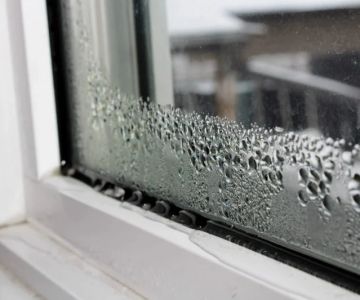
If you notice a musty or moldy smell around your plumbing fixtures or walls, it could be a sign of hidden water damage. Moisture trapped within walls, floors, or ceilings can create the ideal environment for mold growth. The musty odor is often the first indication that something is wrong, even before visible signs of damage appear.
4. Sagging Ceilings or Floors
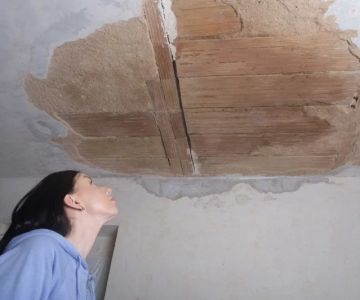
Another common indicator of water damage is sagging ceilings or floors. If you have a ceiling below a bathroom or kitchen, check for any visible signs of bulging or sagging. This can be caused by water pooling in the ceiling due to a leak in your plumbing system. Similarly, water can cause floors to warp, buckle, or become soft to the touch.
5. Higher Water Bills
Unexpected spikes in your water bill can indicate a hidden plumbing leak. Even small leaks in pipes can lead to significant water wastage over time. If you’ve noticed a sudden increase in your water bills without any change in usage, it’s a good idea to check your plumbing system for leaks or water damage. You can also check your water meter to see if it’s running while all your water fixtures are turned off, which can confirm a leak.
6. Visible Puddles or Water Drips
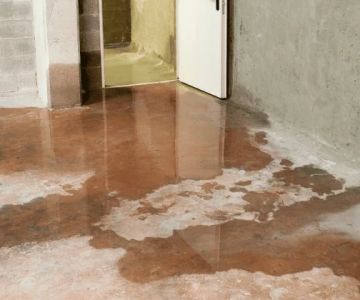
Sometimes, the most obvious sign of water damage is visible puddles or water drips near plumbing fixtures. If you notice any water accumulation on the floor, especially near pipes or faucets, you may have a leak. This is particularly common around toilets, sinks, and water heaters, where seals and connections can break down over time.
Why Early Detection of Water Damage Is Crucial
Detecting water damage early can help prevent costly repairs and extensive damage to your home. Small leaks or moisture buildup can gradually deteriorate the structure of your home, weakening wood, drywall, and insulation. In some cases, prolonged water exposure can lead to mold growth, which can pose serious health risks.
1. Preventing Expensive Repairs
By addressing water damage early, you can often prevent the need for costly repairs such as replacing floors, ceilings, or walls. Fixing leaks or broken pipes before they cause significant damage is much more affordable than dealing with the aftermath of severe water damage. Regular inspections and maintenance of your plumbing system can help catch problems before they escalate.
2. Avoiding Mold and Health Risks
Excess moisture in your home can lead to the growth of mold and mildew, which can cause respiratory problems and allergic reactions. In addition to structural damage, mold can also lead to serious health risks, especially for those with asthma, allergies, or weakened immune systems. Addressing water leaks early can help prevent mold growth and keep your home healthier for you and your family.
7. How to Respond if You Suspect Water Damage in Your Plumbing System
If you suspect that there’s water damage in your plumbing system, it’s important to act quickly. Here’s what you should do:
8. Turn Off the Water Supply
If you notice a leak or suspect water damage, the first step is to turn off the water supply to your home or to the affected area. This will prevent further damage and allow you to assess the situation more safely.
9. Contact a Professional Plumber
While you can perform a basic inspection, it’s always best to contact a professional plumber if you suspect significant water damage. A licensed plumber can perform a detailed inspection of your pipes and plumbing system, locate hidden leaks, and provide necessary repairs to prevent further damage.
10. Inspect for Mold
If you notice signs of prolonged water damage, such as musty odors or discoloration on walls, it’s important to check for mold. If mold is found, you should contact a mold remediation specialist to safely remove it and prevent it from spreading.
Why Choosing the Right Professional Matters
Hiring the right professionals to inspect and repair water damage in your plumbing system is crucial. Experienced plumbers can quickly identify the root cause of the problem and ensure that repairs are done properly. For peace of mind and quality service, choose a reliable service provider like Reliable Damage Hub, where you can find trusted experts to handle your plumbing and water damage needs.
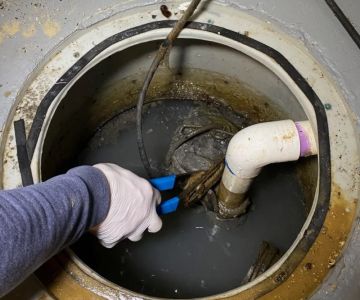
 Mold Remediation Houston Heroes5.0 (180 reviews)
 United Water Restoration Restoration West Palm Beach FL5.0 (6 reviews)
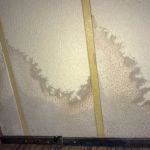 J&C Water Leak and Fire Cleanup4.0 (14 reviews)
 UTR Construction5.0 (21 reviews)
 CRDN of Northeast Wisconsin4.0 (4 reviews)
 NJ Water Damage Restoration Llc5.0 (41 reviews)
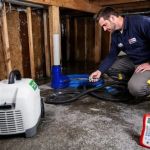 Water Damage in Crawl Spaces: Prevention and Repair Strategies for Homeowners
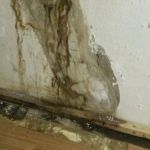 What to Do When Water Damage Affects Your Home’s Foundation
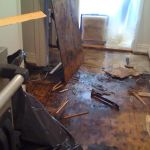 How to Properly Dispose of Water Damaged Materials
 How to Dry Out Water-Damaged Wooden Floors | Step-by-Step Guide
 How to Handle Water Damage From Basement Floods | Tips for Clean-up and Prevention
 Water Damage Restoration for Schools and Universities: Efficient Solutions