
- 1- Introduction: Understanding Water Damage from Burst Pipes
- 2- Immediate Steps to Take When a Pipe Bursts
- 3- How to Assess the Extent of the Damage
- 4- Repairing the Damage: DIY vs. Professional Help
- 5- Preventing Future Water Damage from Burst Pipes
- 6- Conclusion: Safeguarding Your Home from Water Damage
1- Introduction: Understanding Water Damage from Burst Pipes
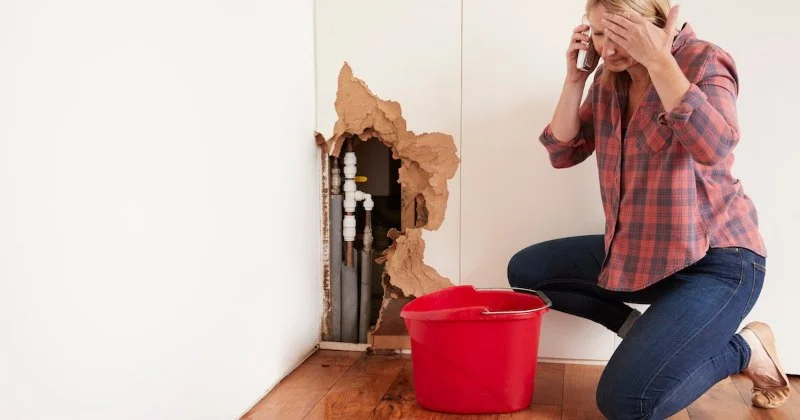
Water damage from a burst pipe is a serious issue that can cause significant damage to your home, belongings, and even lead to mold growth. A burst pipe occurs when a pipe cracks or breaks, usually due to freezing temperatures, high water pressure, or pipe deterioration. If left unaddressed, water damage can become a major problem, affecting your walls, floors, insulation, and even the structural integrity of your home. In this article, we’ll guide you through how to handle water damage from a burst pipe, from immediate actions to long-term prevention.
2- Immediate Steps to Take When a Pipe Bursts
When you discover that a pipe has burst, it’s essential to act quickly to minimize the damage. Here are the immediate steps you should take:
- Step 1: Turn Off the Water Supply – The first thing you need to do is turn off the main water supply to your home. This will stop the flow of water and prevent further damage.
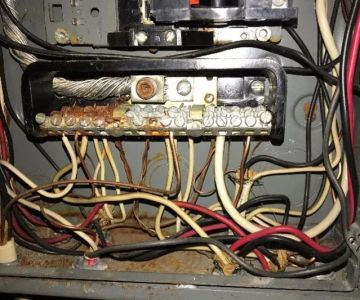
- Step 2: Turn Off the Electricity – If the water is near electrical outlets or appliances, turn off the electricity to avoid the risk of electrocution. Make sure to stay dry while doing this.
- Step 3: Drain Remaining Water – Open all the faucets to drain any remaining water from the pipes. This will relieve pressure and help prevent further flooding.
- Step 4: Move Belongings – Quickly move any valuable or water-sensitive items out of the affected area to minimize damage.
3- How to Assess the Extent of the Damage
Once the water flow has stopped, it's important to assess the damage. This will help you determine whether it’s a minor issue you can address yourself or if you need professional help:
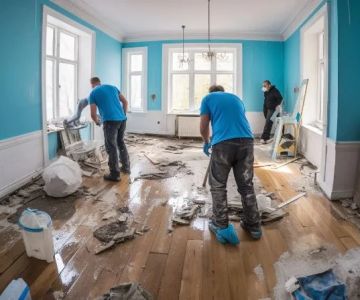
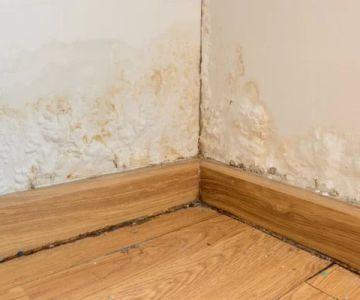
- Inspect the Affected Area – Look for signs of water damage such as wet carpets, stained walls, or sagging ceilings. Pay close attention to areas where water might have traveled, such as under floors or behind walls.
- Check for Mold – Water damage can quickly lead to mold growth. If you notice any musty smells or visible mold, it’s important to take action immediately to prevent health risks.
- Assess Structural Damage – Look for any signs that the structure of your home has been compromised, such as warped walls, buckled flooring, or compromised beams. If you suspect structural damage, it’s best to call in a professional.
4- Repairing the Damage: DIY vs. Professional Help
When it comes to repairing water damage from a burst pipe, there are options for both DIY repairs and professional assistance. Here’s what you need to know:
- DIY Repairs: If the damage is minimal, you might be able to tackle the repairs yourself. Dry out the area using fans and dehumidifiers, remove damaged drywall or insulation, and replace broken pipes if you have the necessary skills.
- Professional Help: For extensive damage, it’s advisable to hire a professional water damage restoration service. These experts can safely remove standing water, dry out affected areas, and ensure that mold doesn’t develop. They also have the tools and knowledge to replace damaged structural elements and pipes.
- Cost Considerations: While DIY repairs may save money, they can be time-consuming and may not fully resolve the issue. In some cases, professional help can be more cost-effective in the long run, as it reduces the risk of mold and additional damage.
5- Preventing Future Water Damage from Burst Pipes
Preventing future water damage from burst pipes requires a proactive approach. Here are some tips to help you avoid dealing with this problem again:
- Insulate Pipes: Insulate pipes, especially in unheated areas like attics or basements, to prevent them from freezing during winter.
- Maintain Proper Water Pressure: Ensure that your home’s water pressure is within the recommended range to reduce stress on your pipes. Too much pressure can lead to leaks and bursts.
- Seal Gaps: Seal any gaps in your home’s exterior that could let in cold air, such as around windows or doors, to keep your pipes warm during the winter.
- Regular Inspections: Periodically inspect your pipes for signs of wear or leaks. Replace any old or corroded pipes to reduce the risk of them bursting.
6- Conclusion: Safeguarding Your Home from Water Damage
Water damage from a burst pipe can be a stressful and expensive problem to deal with. However, by acting quickly and following the steps outlined in this guide, you can mitigate the damage and repair your home. Remember, prevention is key—by maintaining your plumbing and taking proactive steps, you can avoid future water damage. If you need assistance or professional help with water damage repairs, visit Reliable Damage Hub for expert advice and the best products for your home restoration needs.
 Good Roads Water Damage Experts5.0 (1 reviews)
 R&R Foundation Specialist4.0 (305 reviews)
 MJ White4.0 (102 reviews)
 ATI Restoration3.0 (25 reviews)
 Modernistic4.0 (251 reviews)
 ServiceMaster Cleaning Services4.0 (27 reviews)
 Water Damage Restoration for Retail Spaces – Expert Tips and Real Cases
 How to Prevent and Repair Water Damage in Commercial Properties
 How to Protect Your Home’s Electrical System from Water Damage: Essential Tips
 Flooded Basement? Here’s How to Restore It Safely
 How to Handle Water Damage After a Storm: A Step-by-Step Guide
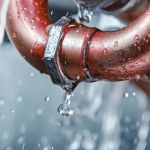 How to Handle Water Damage from Burst Pipes: A Step-by-Step Guide