
- 1 - Understanding Water Damage on Furniture
- 2 - Initial Steps Right After Water Exposure
- 3 - Effective Drying Techniques for Different Furniture Materials
- 4 - Preventing Mold and Odor During the Drying Process
- 5 - Real Case: Restoring a Water-Damaged Sofa After a Flood
- 6 - When to Seek Professional Help and Why It Matters
- 7 - Recommended Resources for Reliable Restoration
1 - Understanding Water Damage on Furniture
Many homeowners who face flooding or leaks immediately wonder how to dry out water-damaged furniture quickly. The challenge is that water seeps into materials like wood, fabric, and foam, causing swelling, stains, or even structural weakening. Without quick action, the damage can escalate, leading to costly replacements.
SERVPRO of Pompano Beach / servpro fort lauderdale south
Pompano BeachBroward CountyFlorida
2101 NW 33rd St #200a, Pompano Beach, FL 33069, USA
2 - Initial Steps Right After Water Exposure
The first few hours after water exposure are critical. Start by removing excess water using towels or a wet/dry vacuum. Place the furniture in a well-ventilated area and avoid direct sunlight initially, since extreme heat may warp wood. Cushions and removable parts should be separated to allow air circulation. Acting fast here can mean the difference between saving your favorite chair or losing it for good.

Drip Restoration / valleywide restoration mesa az
932 S Stapley Dr, Mesa, AZ 85204, USA
3 - Effective Drying Techniques for Different Furniture Materials
Drying methods vary depending on the type of furniture:
For wood: Use fans and dehumidifiers instead of heaters, which can cause cracking. Gradual drying keeps the structure intact.
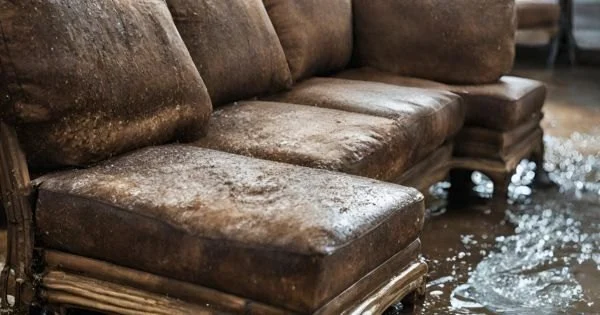
For upholstered furniture: Upholstery absorbs water deeply. Place cushions upright to allow airflow and use baking soda to draw out moisture and odor.
For leather: Leather should be dried slowly and conditioned afterward to prevent stiffness. Rushing this process often causes permanent cracks.
4 - Preventing Mold and Odor During the Drying Process
Moisture left unchecked creates the perfect environment for mold. To avoid this, use dehumidifiers in the affected room and wipe wooden surfaces with a mild vinegar solution. Upholstery can benefit from specialized fabric cleaners designed to kill bacteria. Keeping air moving with oscillating fans can also help significantly reduce odor buildup.
5 - Real Case: Restoring a Water-Damaged Sofa After a Flood
After a basement flood in Ohio, a family managed to save a $1,200 sofa by quickly applying a combination of wet vacuuming, fans, and baking soda treatment. While some staining remained, the furniture was fully functional and mold-free. This case shows that with the right steps, even significant water exposure does not always mean total loss.
6 - When to Seek Professional Help and Why It Matters
Sometimes DIY efforts aren’t enough—especially if the water came from sewage backup or if the damage is extensive. Professional restoration services have industrial-grade dryers and antimicrobial treatments that ensure long-term safety. If in doubt, calling experts can prevent health risks and future costs.
7 - Recommended Resources for Reliable Restoration
While basic DIY methods can handle minor leaks, major damage requires reliable solutions. Checking restoration service platforms like Reliable Damage Hub can connect homeowners with trusted products, shops, and experts who specialize in water damage recovery. This way, furniture isn’t just dried—it’s restored safely and effectively.
 Good Roads Water Damage Experts5.0 (1 reviews)
 R&R Foundation Specialist4.0 (305 reviews)
 MJ White4.0 (102 reviews)
 ATI Restoration3.0 (25 reviews)
 Modernistic4.0 (251 reviews)
 ServiceMaster Cleaning Services4.0 (27 reviews)
 Water Damage Restoration for Retail Spaces – Expert Tips and Real Cases
 How to Prevent and Repair Water Damage in Commercial Properties
 How to Protect Your Home’s Electrical System from Water Damage: Essential Tips
 Flooded Basement? Here’s How to Restore It Safely
 How to Handle Water Damage After a Storm: A Step-by-Step Guide
 How to Handle Water Damage from Burst Pipes: A Step-by-Step Guide