Reliable Damage Hub
Reliable Damage HubDamage Repair GuidesWater Damage Restoration Near Me​
AlabamaArizonaCaliforniaColoradoFloridaGeorgiaKansasLouisianaMassachusettsMississippiMissouriNevadaNew MexicoNorth CarolinaOregonRhode IslandSouth CarolinaTennesseeTexasVirginiaWashingtonWest Virginia

Reliable Damage HubDamage Repair Guides

Water Damage Repair for Flooring Transitions: How to Restore Your Floors Effectively

Water Damage Repair for Flooring Transitions: How to Restore Your Floors EffectivelyWater Damage Repair for Flooring Transitions: How to Restore Your Floors Effectivelywater damage repair, flooring transitions, floor repair, water damage restoration, flooring damage, repairing water damage, water-damaged floors, flooring transition repairDiscover expert tips on water damage repair for flooring transitions. Learn effective methods and materials for restoring floors affected by water damage and how to handle transitions between different flooring types.

Introduction to Water Damage Repair

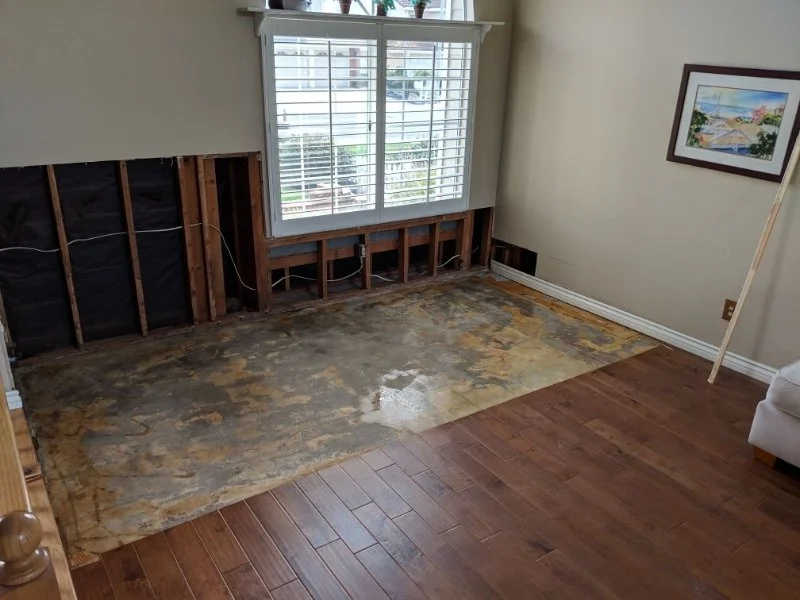
Water damage is one of the most common and destructive problems homeowners face, and it can be especially problematic in areas where different flooring types meet, such as flooring transitions. Water can seep through the seams, causing warping, discoloration, and even mold growth in some cases.Repairing water-damaged flooring transitions requires a thorough understanding of the flooring materials involved, the extent of the damage, and the proper methods and materials for restoration. Whether you're dealing with hardwood, tile, laminate, or carpet, knowing how to tackle the issue effectively can save you time, money, and frustration.In this article, we'll walk you through the steps of repairing water damage in flooring transitions, from identifying the damage to choosing the best materials for the repair.

Identifying Water Damage in Flooring Transitions

Before you can begin repairing water damage, it's essential to assess the extent of the damage. Here’s how you can identify water damage in flooring transitions:Visible Warping or Buckling:When water seeps under flooring materials, it can cause them to warp or buckle. This is especially common with hardwood floors and laminate flooring. If the transition between different flooring types appears uneven or raised, it’s likely water has damaged the area.Discoloration:Water damage often causes discoloration in floors. Hardwood floors may darken, while carpets can develop water stains. Tile and grout can also show signs of water damage, often with visible discoloration or the growth of mold and mildew.Musty Odors:A musty or damp smell is a clear indication of water damage, particularly when it’s coming from the flooring transitions. This odor often points to mold or mildew growth beneath the surface, which requires immediate attention.Sogginess or Soft Spots:If you notice areas of the floor that feel soft or spongy, it's a strong indicator that the flooring has absorbed water. This is most common in carpeted or wood floors, where the underlayment or padding may have been compromised.

Choosing the Right Materials for Repair

Once you've identified the extent of the water damage, it's time to choose the right materials for the repair. The materials you select will depend on the type of flooring involved:Wood Flooring:For hardwood floors, you may need to replace individual planks that have been warped or stained. For minor water damage, sanding and refinishing the affected area may restore the look of the floor. Wood fillers can also be used to repair any small cracks or gouges.Tile Flooring:For tile floors, you may need to replace the grout or tiles that have been affected by water. If the subfloor is compromised, it’s important to replace that as well to prevent further damage.Laminate Flooring:Laminate floors are more resistant to water damage, but they can still be affected by prolonged exposure. In cases of water damage, replacing the damaged laminate boards is usually the best solution.Carpet Flooring:Carpets that have been exposed to water may need to be replaced if they are significantly damaged. However, if the damage is limited to the carpet padding, it can often be replaced without having to replace the entire carpet.

Effective Water Damage Repair Methods

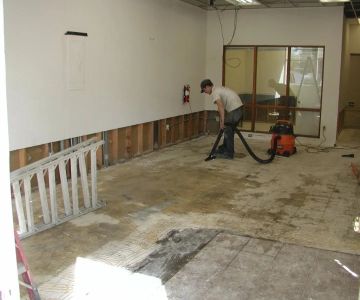
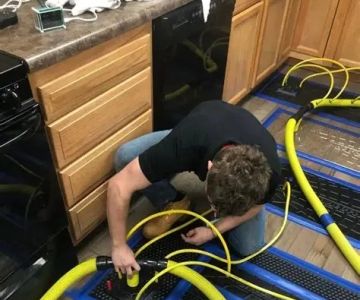
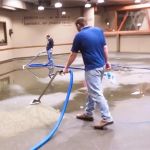
Now that you’ve chosen the right materials for your flooring, it’s time to start the repair process. Follow these general steps for effective water damage repair:Remove the Water:Before any repair work can begin, it's essential to remove any standing water from the affected area. Use a wet/dry vacuum or towels to soak up as much water as possible.Dry the Area:Once the water has been removed, thoroughly dry the affected area. Using fans, dehumidifiers, or opening windows can help speed up the drying process. Allow the floor to dry completely before proceeding with repairs.Replace Damaged Flooring:For wood floors, remove and replace warped or discolored planks, sanding and refinishing if necessary.For tile floors, replace the damaged tiles or grout, making sure to clean the subfloor before installing new tiles.For laminate floors, replace the affected boards and ensure the subfloor is dry before reinstalling the laminate.For carpet, replace any wet carpet padding, and if necessary, remove and replace the carpet.Seal and Protect the Area:After the repair work is complete, consider applying a water-resistant sealant to prevent future damage. For wood floors, a clear polyurethane finish can protect the surface. Tile and grout can be sealed to reduce water penetration.

Preventing Future Water Damage

To prevent water damage from occurring again in the future, consider the following tips:Install Proper Drainage:Make sure that gutters and downspouts are functioning properly and direct water away from your home’s foundation. This will prevent water from seeping into flooring transitions.Use Water-Resistant Flooring:Consider using water-resistant flooring materials such as vinyl or ceramic tile in areas prone to water exposure, like kitchens and bathrooms.Install Moisture Barriers:For areas with high humidity, install moisture barriers beneath the flooring to prevent water from seeping up through the subfloor.Promptly Address Leaks:If you notice any leaks or water intrusion, address the issue immediately to prevent long-term damage to your flooring.

Conclusion

Repairing water damage in flooring transitions requires careful attention to detail and the right materials. By identifying the damage early, choosing the appropriate materials, and following effective repair methods, you can restore your floors to their original condition and prevent future damage.If you're unsure about how to approach the repair process or need professional assistance, Reliable Damage Hub offers expert advice and high-quality materials to help you with your flooring repair needs.

Popular Blog Posts

Categories

Top Visited Sites

Top Water Damage Restoration​ Searches

Trending Damage Repair Guides Posts