
Understanding Water Damage in Windows and Doors
Water damage in windows and doors is a common issue faced by homeowners, especially after heavy rains or in regions with high humidity. The primary concern is that water infiltration can lead to structural damage, mold growth, and an increase in energy costs. Identifying and repairing water damage early is crucial in maintaining the integrity of your home and preventing more severe problems down the line. In this article, we will explore how to recognize the signs of water damage in your windows and doors and provide actionable steps for effective repair.
SERVPRO of Pompano Beach / servpro of santa maria
Pompano BeachBroward CountyFlorida
2101 NW 33rd St #200a, Pompano Beach, FL 33069, USA
How to Identify Water Damage in Your Windows
Water damage in windows can often be subtle, especially when it starts. Here are some key signs that indicate your windows may have suffered water damage:
- Condensation Between Panes – If you notice fog or condensation between the glass panes of a double-glazed window, it’s a clear sign of a seal failure. Water can infiltrate the space between the glass and cause the buildup of moisture.
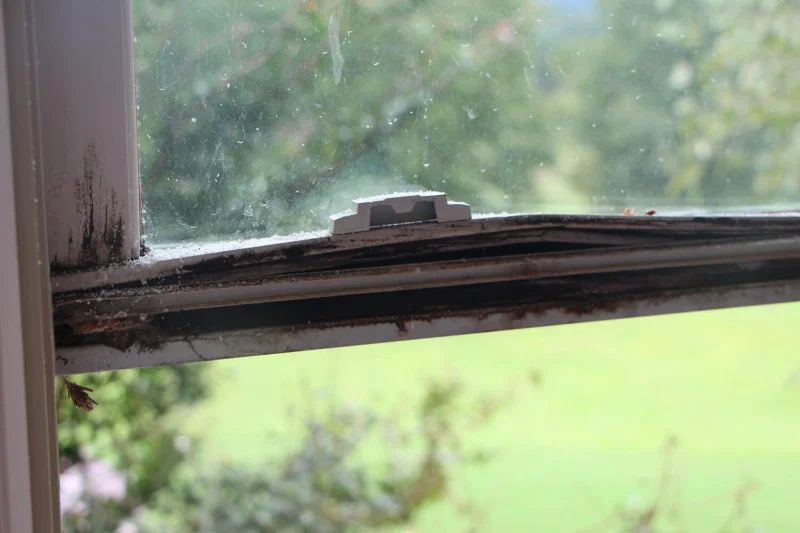
- Discoloration or Stains Around the Window Frame – Water stains or discoloration on the walls or trim around the window frame is a common sign of water leakage. This may indicate that water is getting past the seal or through cracks in the window frame.
- Peeling Paint or Wallpaper – Water can cause paint to peel or wallpaper to bubble, especially around the edges of the window frame. This is a clear sign that water is entering through the window.
- Wood Rot or Warping – Wooden window frames and sills are particularly susceptible to water damage. If the wood begins to warp, swell, or show signs of rot, this is a significant indicator that water has been entering for some time.
How to Identify Water Damage in Your Doors
Doors, especially exterior doors, are prone to water damage as well. Here’s how you can spot potential issues with your doors:
- Warped or Swollen Door Frames – If you notice difficulty opening or closing a door, it may be due to water damage causing the frame to swell. This is common in wooden doors or doors in areas with high moisture levels.
- Discoloration Around the Door Frame – Just like windows, water can leave stains or discoloration around door frames. If you see water marks or mildew near the door’s edges, it’s a clear indication of water infiltration.
- Soft or Crumbling Wood – Wooden doors or frames may start to soften and crumble as they absorb water. If you notice this in your doorframe, it’s time to take action and repair the damage.
- Visible Mold or Mildew – If you find mold or mildew near the door’s edges or frame, it indicates that moisture has been trapped for an extended period, causing potential damage to the door and surrounding structure.
Common Causes of Water Damage in Windows and Doors
There are several reasons why water may infiltrate your windows and doors. Understanding the common causes can help you take preventive measures:
- Improper Installation – If windows or doors are not properly installed, they can create gaps or misalignments where water can enter. Proper sealing and weatherproofing are essential for preventing water damage.
- Worn-out Seals – The seals around your windows and doors can wear out over time, especially if exposed to the elements. Damaged seals can allow water to leak in, causing damage to the frame and surrounding areas.
- Roof Leaks – If your roof has leaks, water can trickle down and enter your windows or doors. This can be especially problematic in areas where water can gather at the top of the window frame or door frame.
- Clogged Gutters – Clogged gutters can cause water to overflow and run down the sides of your house, potentially finding its way into the window and door frames, leading to water damage.
- Improper Drainage Around the Foundation – If the area around your home’s foundation does not have proper drainage, water can accumulate and seep into your windows and doors, leading to long-term water damage.
How to Repair Water Damage in Your Windows and Doors
Once you've identified the water damage, it’s important to take immediate action to repair it and prevent further damage. Here are the steps you can follow to repair water damage in windows and doors:
- Repair or Replace the Window or Door Seals – The first step is to check and replace any damaged or worn-out seals. This will prevent future water from entering and causing further damage.
- Repair the Frame – If the window or door frame has been damaged by water, you may need to repair or replace it. For wooden frames, you can sand and repaint the wood, or you may need to replace sections if the damage is severe. For metal or vinyl frames, consider patching up any cracks or holes.
- Address Wood Rot – If your window or door frame has rotted wood, it may need to be replaced entirely. Use wood hardeners for minor rot or replace the affected parts if the damage is extensive.
- Replace the Glass – If water has caused condensation or other damage between the glass panes, you may need to replace the glass or the entire window unit. This may require professional assistance depending on the type of window.
- Clean and Treat Mold or Mildew – If mold or mildew is present, clean the area with a mold-killing solution. If the mold is extensive, you may need to call in a professional to remove it and prevent it from spreading.
How to Prevent Future Water Damage in Windows and Doors
Preventing water damage from occurring in the first place is the best way to protect your windows and doors. Here are some useful tips:
- Inspect Seals Regularly – Check the seals around your windows and doors regularly to ensure they are in good condition. Replace any seals that are cracked, missing, or damaged to keep water out.
- Ensure Proper Drainage – Maintain your gutters and downspouts to ensure water flows away from your home’s foundation. This will help prevent water from seeping into your windows and doors.
- Maintain Your Roof – Regularly inspect and repair your roof to prevent leaks that could lead to water damage around windows and doors.
- Use Weatherstripping – Weatherstripping can help keep out moisture and drafts. Install weatherstripping around doors and windows to enhance insulation and prevent water damage.
If you're unsure how to identify or repair water damage in your windows and doors, consider reaching out to professionals for assistance. Visit Reliable Damage Hub for trusted services and products that can help protect your home from water damage.

 Corbin Water Damage Restoration Services5.0 (2 reviews)
 Peake Roofing5.0 (6 reviews)
 CertaPro Painters of Reno, NV4.0 (253 reviews)
 Jarvis Property3.0 (5 reviews)
 United Water Restoration Group of Charlotte4.0 (346 reviews)
 Aqua Express Restoration4.0 (132 reviews)
 How to Handle Water Damage in Your Basement: Step-by-Step Guide
 What You Need to Know About Water Damage from Clogged Toilets
 How to Identify and Fix Water Damage in Your Home’s HVAC System | Reliable Damage Hub
 How to Protect Your Home from Water Damage in a Flood Zone – Key Tips for Homeowners
 Water Damage Restoration Tips for Homeowners
 How to Repair Water-Damaged Cabinets and Countertops