
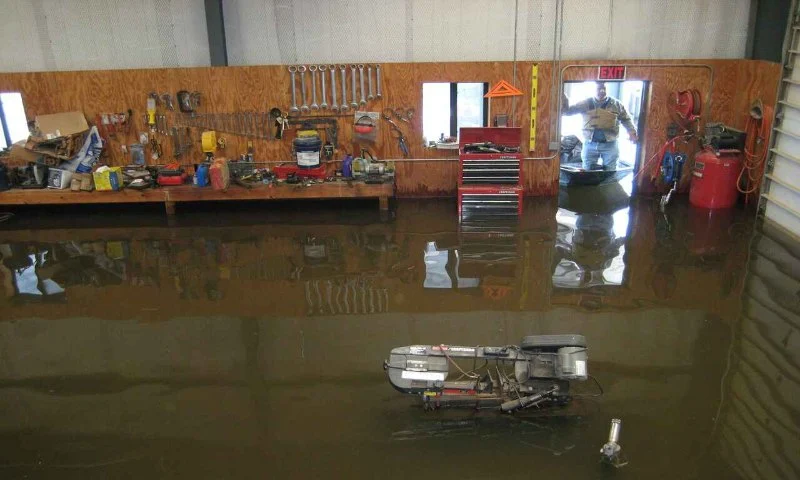
- 1- Initial Steps After Storm Damage
- 2- Assessing the Extent of Water Damage
- 3- Cleaning and Drying the Affected Areas
- 4- Preventing Mold Growth After Water Damage
- 5- Repairing Structural and Cosmetic Damage
- 6- When to Call a Professional for Restoration
1- Initial Steps After Storm Damage
After a severe storm, it's crucial to act quickly to mitigate the effects of water damage. The first steps you take can significantly impact the restoration process. Follow these key steps:
- Ensure Safety: Before you enter the property, make sure the area is safe. Turn off electricity and gas to avoid the risk of electrocution or fire from water exposure.
- Document the Damage: Take photos or videos of the water damage for insurance purposes. Documenting the damage will help you with claims and ensure you get the proper compensation.
- Stop the Source of Water: If possible, stop the water flow by turning off the main water valve or moving items away from the water source. This step can prevent further damage to the property.
Taking these initial actions will allow you to move forward with restoration efforts while minimizing potential risks and losses.
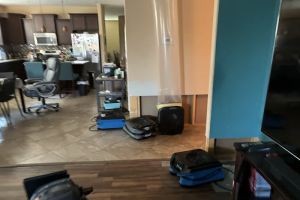
Drip Restoration / valleywide restoration mesa az
932 S Stapley Dr, Mesa, AZ 85204, USA
2- Assessing the Extent of Water Damage
Once it's safe to begin assessing the damage, take the time to evaluate the extent of the water intrusion. This step is essential in determining the proper restoration method:
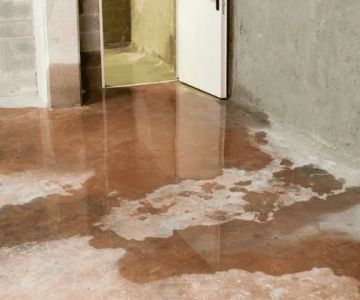
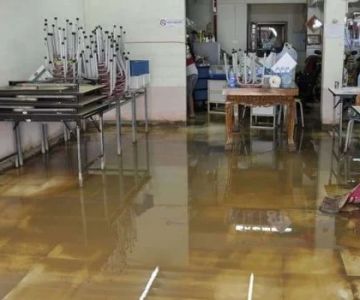
- Check for Standing Water: Inspect every room, especially the basement or lower levels, for standing water. Use a sump pump or wet/dry vacuum to remove any standing water.
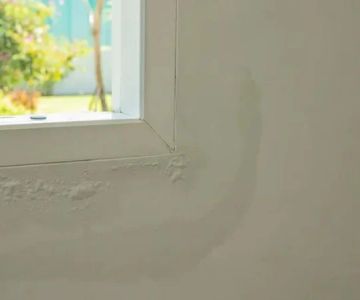
- Inspect Walls and Floors: Look for signs of water absorption in walls, floors, and ceilings. Water-damaged drywall may become soft, and wooden floors may warp or buckle.
- Identify Potential Hazards: Be aware of hidden dangers like weakened structures, exposed electrical wiring, and mold growth in hidden areas like behind walls or under floors.
Thoroughly inspecting the property allows you to prioritize the most urgent repairs, such as removing standing water or addressing structural weaknesses.

Kustom US Restoration / kustom restoration
1215 W Houston Ave Suite A, Gilbert, AZ 85233, USA
3- Cleaning and Drying the Affected Areas
Effective cleaning and drying are essential to prevent long-term damage like mold growth and wood rot. Follow these steps to properly dry out your property:
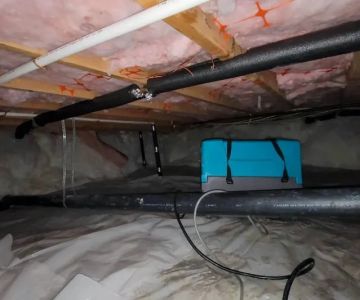
- Use Dehumidifiers and Fans: Set up dehumidifiers and fans in the affected areas to promote drying. The goal is to reduce moisture levels to prevent mold growth.
- Remove Wet Materials: Remove wet carpets, rugs, and upholstery that are beyond cleaning. This will help reduce moisture and the chances of mold growth.
- Clean Surfaces: Clean all surfaces that have been exposed to water, using appropriate cleaning agents for each material. Pay close attention to wood, drywall, and furniture to prevent damage or staining.
Proper cleaning and drying are essential to restoring your property and preventing further issues. Be sure to thoroughly dry all materials to avoid hidden mold and mildew growth.
4- Preventing Mold Growth After Water Damage
Mold can begin growing within 24-48 hours of water exposure, making mold prevention a top priority. Here are some strategies to minimize the risk:
- Ensure Proper Ventilation: Keep windows and doors open (if weather permits) to promote airflow and help dry the area more quickly. Use fans and dehumidifiers to speed up the drying process.
- Use Mold Inhibitors: Apply mold inhibitors to areas prone to mold growth, such as walls and floors. This can prevent mold from spreading while the property dries out.
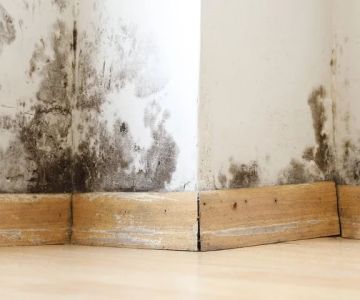
- Inspect Regularly: After cleaning and drying, inspect your property for any signs of mold growth. If you notice a musty smell or black spots on surfaces, take immediate action to remove the mold.
Taking these steps to prevent mold will help maintain the health of your property and ensure a thorough restoration after the storm.
5- Repairing Structural and Cosmetic Damage
Once the property has been cleaned and dried, it’s time to repair any structural or cosmetic damage caused by the water. Depending on the extent of the damage, you may need to:
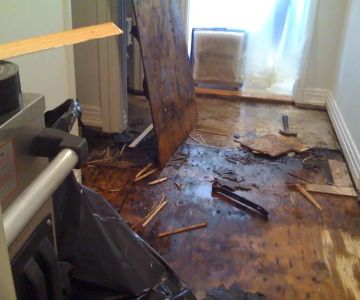
- Replace Damaged Materials: In cases where drywall, flooring, or insulation is too water-damaged, it may need to be replaced to avoid further complications, such as mold growth or structural instability.
- Fix Roofing or Exterior Damage: Water often enters through the roof or exterior walls. Inspect your roof for leaks or missing shingles, and check siding and windows for gaps where water may have entered.
- Repair Electrical Systems: If water has entered electrical systems, it’s crucial to have a licensed electrician inspect and repair any affected wiring or outlets to prevent electrical hazards.
Repairing both structural and cosmetic damage will restore the property’s safety, functionality, and aesthetic appeal.
6- When to Call a Professional for Restoration
While homeowners can manage some aspects of water damage restoration, there are times when professional help is necessary. For extensive damage, mold growth, or if you’re unsure about how to address certain issues, a professional restoration service can help:
- Comprehensive Assessment: Professionals can provide a thorough assessment to identify hidden damage and offer advice on the best course of action.
- Mold Remediation: If mold has spread throughout the property, professionals have the necessary equipment and expertise to safely remove it.
- Insurance Assistance: Restoration professionals can help with insurance claims by providing detailed reports and documentation of the damage.
Hiring a professional restoration service ensures that your home is restored properly and safely, minimizing the risk of further damage and costly repairs down the line.
 Sani Effect Environmental4.0 (26 reviews)
 Errand Boys LLC4.0 (206 reviews)
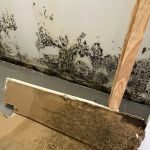 The Kings of Mold5.0 (90 reviews)
 Legacy Home Care5.0 (34 reviews)
 J&K Precision5.0 (52 reviews)
 Priority Response and Restoration5.0 (10 reviews)
 Water Damage Restoration for Commercial Kitchens: What You Need to Know
 Water Damage Restoration for Restaurants and Food Service Areas – A Complete Guide
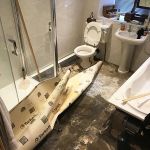 Water Damage Repair for Bathroom Flooring and Tile
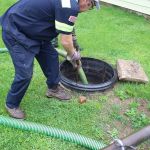 How to Handle Water Damage From Sewer Backups
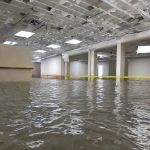 Water Damage Restoration for Commercial Kitchens - Expert Guide
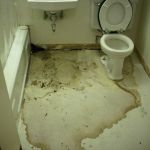 Water Damage Repair for Bathroom Flooring and Tile in the USA