
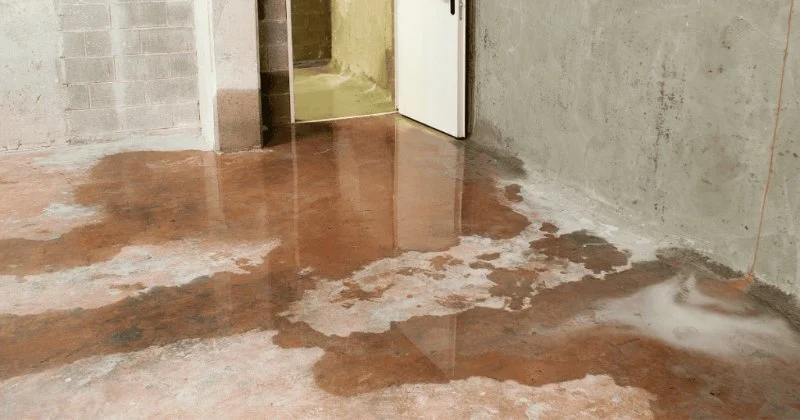
- 1. Understanding Water Damage in Your Attic and Roof
- 2. Common Causes of Water Damage in the Attic and Roof
- 3. Signs of Water Damage in Your Attic and Roof
- 4. Steps to Handle Water Damage in the Attic and Roof
- 5. Tips to Prevent Future Water Damage in Your Attic and Roof
1. Understanding Water Damage in Your Attic and Roof
Water damage in your attic and roof can lead to costly repairs and long-term structural problems. Whether caused by leaks, improper ventilation, or old roofing materials, water intrusion in these areas should be addressed promptly to prevent further damage to your home. Understanding how water damage occurs is the first step in managing and preventing it.
SERVPRO of Pompano Beach / servpro of santa maria
Pompano BeachBroward CountyFlorida
2101 NW 33rd St #200a, Pompano Beach, FL 33069, USA
2. Common Causes of Water Damage in the Attic and Roof
There are several common causes of water damage that homeowners should be aware of:
- Roof Leaks: One of the most common causes of water damage is a leaking roof. Damaged shingles, missing flashing, or deteriorating roofing materials can allow water to seep into the attic.
- Improper Ventilation: Poor attic ventilation can cause excess moisture to build up, which can lead to mold growth, wood rot, and insulation damage.
- Clogged Gutters: When gutters are clogged with leaves and debris, water can overflow and damage the roof and attic, especially during heavy rains.
- Ice Dams: In colder climates, ice dams can form along the roof’s edge, preventing water from draining properly. This trapped water can leak into the attic and cause significant damage.
3. Signs of Water Damage in Your Attic and Roof
Recognizing the signs of water damage early can help you address the problem before it worsens. Look for these common indicators:
- Water Stains on the Ceiling: Yellowish or brown stains on the ceiling below the attic may indicate a roof leak.
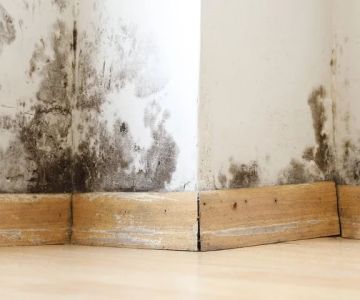
- Visible Mold or Mildew: Mold growth in the attic, especially around the insulation or rafters, is a sign of excessive moisture.
- Wet Insulation: Insulation that feels damp or soggy is often caused by water leaking from the roof or walls.
- Musty Odor: A musty or damp smell in the attic or the rooms below can indicate hidden water damage or mold growth.
- Sagging Roof Decking: If you notice areas of the roof that seem to be sagging or warped, it could be due to accumulated water and damage to the structure.
4. Steps to Handle Water Damage in the Attic and Roof
When you notice water damage in your attic or roof, it's important to act quickly. Here’s what you should do:
- Inspect the Roof: Safely check for leaks in your roof. Look for damaged or missing shingles, cracked flashing, or signs of wear and tear. If you're not comfortable doing this yourself, hire a professional to conduct a thorough inspection.
- Repair the Roof: Once the cause of the leak is identified, repair it as soon as possible. This may involve replacing damaged shingles, resealing flashing, or repairing holes in the roof.
- Remove Wet Insulation: Wet insulation can lose its effectiveness and contribute to mold growth. Replace any insulation that’s damp or waterlogged to prevent further damage.
- Dry the Attic: Use fans or a dehumidifier to dry out the attic. Ensure the area is completely dry to prevent mold and mildew growth.
- Check for Mold: If you notice mold, it's essential to address it promptly. Clean affected areas with mold-killing solutions or hire a professional to remove extensive mold growth.
5. Tips to Prevent Future Water Damage in Your Attic and Roof
Taking preventive measures can help you avoid water damage in the future. Here are some essential tips to keep your attic and roof protected:
- Regular Roof Inspections: Have your roof inspected at least once a year to catch any damage early and repair it before it leads to leaks.
- Clean Gutters Regularly: Keep your gutters free from leaves and debris to ensure proper water drainage and prevent overflow.
- Improve Ventilation: Ensure your attic is properly ventilated to prevent moisture buildup. Installing soffit vents and a ridge vent can improve airflow and keep the attic dry.
- Install Ice and Water Shield: In colder climates, consider installing an ice and water shield along the roofline to prevent ice dams and water infiltration.
For more tips, products, and services related to water damage prevention and roof repairs, visit Reliable Damage Hub, where you can find the best solutions to protect your home from water damage.


 Mold Removal Masters Queens5.0 (9 reviews)
 Southern Contracting Company4.0 (66 reviews)
 Roto-Rooter Plumbing and Water Cleanup5.0 (25 reviews)
 Mold Removal Solutions - Brandon FL4.0 (4 reviews)
 1-800-BoardUp of Joliet2.0 (3 reviews)
 Radiance Restoration LLC5.0 (4 reviews)
 Water Damage Repair for Soggy Carpets: Causes, Risks, and Solutions
 Water Damage Repair for Hardwood Stairs: A Complete Guide
 What to Expect During a Water Damage Restoration Service
 How to Dry Out Water-Damaged Furniture Quickly: Effective Methods for Restoration
 Preventing Water Damage From Leaky Roofs: Tips for Homeowners
 The Pros and Cons of DIY Water Damage Repair: Is It Worth It?