
- Signs of Water Damage in Walls
- How to Inspect Your Walls for Water Damage
- Common Causes of Water Damage in Walls
- Steps to Fix Water Damage in Your Walls
- Preventing Future Water Damage
1. Signs of Water Damage in Walls
Water damage in walls is a serious issue that can affect the structural integrity of your home if left untreated. It’s important to spot the early signs of water damage to prevent further problems. Here are some common indicators:
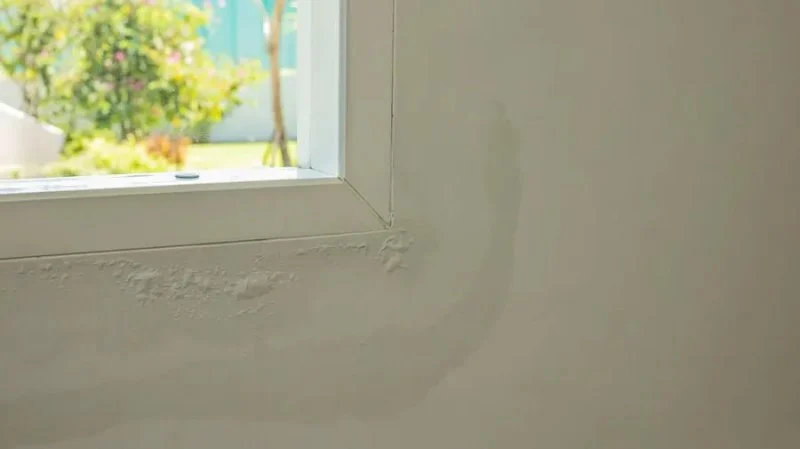
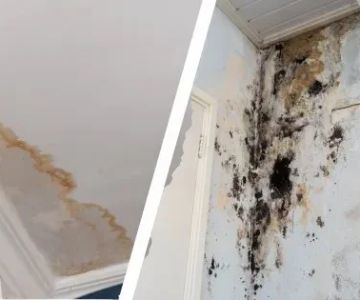
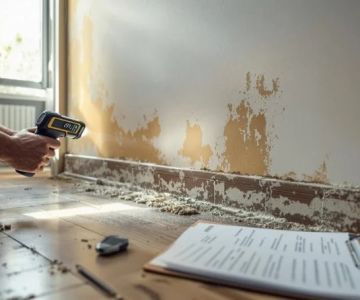
- Discoloration: Yellow or brown stains on your walls are often the first signs of water damage. These stains are usually caused by water seeping through your walls from leaks in pipes or the roof.
- Peeling or Bubbling Paint: When water is trapped inside the wall, it can cause the paint to peel or bubble. This is a clear sign that moisture is present.
- Soft or Spongy Walls: Water damage can weaken the drywall, making it soft or spongy to the touch. If you notice that your walls feel unusually soft, it’s a sign that water has infiltrated the material.
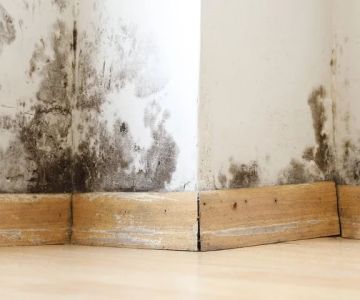
- Musty Odors: A musty smell often indicates mold growth, which thrives in damp, water-damaged environments. If you detect this smell near your walls, it's essential to check for hidden moisture.
Spotting these signs early can help you take action before the damage worsens, preventing costly repairs in the future.
SERVPRO of Pompano Beach / servpro fort lauderdale south
Pompano BeachBroward CountyFlorida
2101 NW 33rd St #200a, Pompano Beach, FL 33069, USA
2. How to Inspect Your Walls for Water Damage
Once you notice signs of water damage, it’s essential to inspect your walls thoroughly to determine the extent of the problem. Here’s how you can perform a simple inspection:
- Look for Visible Signs: Check for discoloration, peeling paint, and water stains on both sides of the wall. Pay attention to corners, edges, and areas around windows or pipes, as these are common points of water entry.
- Touch the Wall: Gently press on the wall surface. If it feels soft, damp, or spongy, it indicates that moisture has penetrated the material.
- Use a Moisture Meter: A moisture meter is an affordable tool that can help detect moisture levels inside your walls. It can give you an accurate reading of the moisture content, helping you assess the severity of the damage.
- Inspect for Mold: Mold growth is a common consequence of water damage. Look for black or green patches on the wall surface or smell for musty odors that might indicate hidden mold growth.
Once you’ve inspected the walls, you’ll have a better understanding of the extent of the damage, allowing you to determine the necessary steps for repair.
Giants / dry kings restoration of san francisco
San FranciscoSan Francisco CountyCalifornia
685 Geary Blvd, San Francisco, CA 94102, USA
3. Common Causes of Water Damage in Walls
Water damage can occur due to a variety of factors, and understanding the root cause is crucial to addressing the issue. Some of the most common causes of water damage in walls include:
- Leaky Pipes: A burst or leaky pipe is one of the most common causes of water damage in walls. If a pipe behind the wall is leaking, it can quickly spread water to surrounding areas, causing damage to the drywall and insulation.
- Roof Leaks: Water from a leaky roof can seep into the walls, especially around windows, vents, and chimneys. This type of water damage is often slow but persistent, leading to significant issues if not addressed early.
- Condensation: High humidity levels can cause condensation to form inside the walls, especially in areas with poor ventilation. This moisture buildup can lead to mold growth and drywall damage.
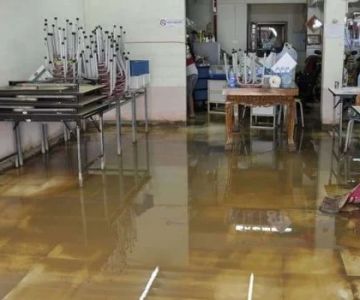
- Flooding: Severe weather events or plumbing failures can cause flooding, which can lead to widespread water damage in your walls. Floodwater can easily soak into porous materials like drywall, leading to structural damage.
Identifying the cause of the water damage is essential for fixing the issue and preventing future leaks. For expert advice on dealing with water damage, visit Reliable Damage Hub to find the right products and services for your needs.
4. Steps to Fix Water Damage in Your Walls
Once you’ve identified the cause and extent of the water damage, it’s time to take action. Follow these steps to fix the damage and restore your walls:
- Turn off the Water Supply: If the water damage is caused by a leaking pipe, make sure to turn off the water supply to prevent further damage.
- Dry the Area: Use fans, dehumidifiers, or even a heat gun to dry the affected area. It’s essential to remove as much moisture as possible to prevent mold growth.
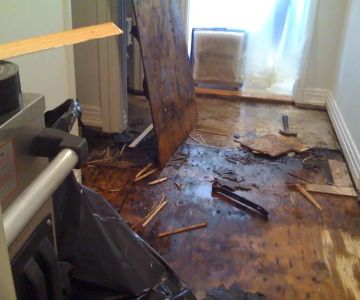
- Remove Damaged Materials: If the drywall or insulation is too damaged to repair, remove the affected materials. Cut away the wet drywall and dispose of it properly. Be sure to check behind the wall for any hidden mold.
- Replace the Wall Materials: Once the area is dry, replace the damaged drywall and insulation. If necessary, install a vapor barrier to prevent future moisture buildup.
- Repaint and Finish: After replacing the drywall, repaint the walls and restore any finishes to their original condition. Make sure to use mold-resistant paint to prevent future mold issues.
These steps will help you restore your walls and fix the water damage. For additional products and tools to assist with your repair, Reliable Damage Hub offers a wide range of options to suit your needs.
5. Preventing Future Water Damage
After fixing the water damage, it’s important to take preventative measures to avoid future issues. Here are some tips to help protect your walls from water damage:
- Maintain Your Plumbing: Regularly inspect your plumbing for leaks or signs of wear. Fixing small issues before they become major problems can save you from extensive water damage.
- Seal Cracks and Gaps: Check the exterior of your home for cracks around windows, doors, and rooflines. Seal any gaps to prevent water from entering your walls.
- Improve Ventilation: Ensure that areas prone to moisture, like bathrooms and kitchens, are properly ventilated. Use exhaust fans and dehumidifiers to control humidity levels in your home.
- Monitor Roof and Gutters: Regularly clean and inspect your roof and gutters. Clogged gutters can lead to water pooling on the roof and eventually seeping into the walls.
By taking these preventive measures, you can protect your home from future water damage and maintain the integrity of your walls for years to come.
 C&S Cleaning Services, LLC5.0 (611 reviews)
 ServiceMaster Restoration by Empire4.0 (82 reviews)
 SERVPRO of Broome, Cortland, Chenango, Tompkins, Tioga, Chemung, Schuyler Counties4.0 (112 reviews)
 Trident Restoration5.0 (1 reviews)
 Carolina Property Revival (CPR)5.0 (17 reviews)
 AFC Restoration5.0 (23 reviews)
 Tips for Preventing Water Damage During Storms
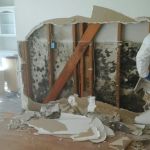 Water Damage and Mold: How to Address Both Issues
 How to Manage Water Damage Restoration in Commercial Kitchens
 Water Damage Restoration Techniques: Drying, Sanitizing, and More
 Water Damage Restoration for Crawl Spaces
 Water Damage Restoration for Multi-Family Homes: A Comprehensive Guide