
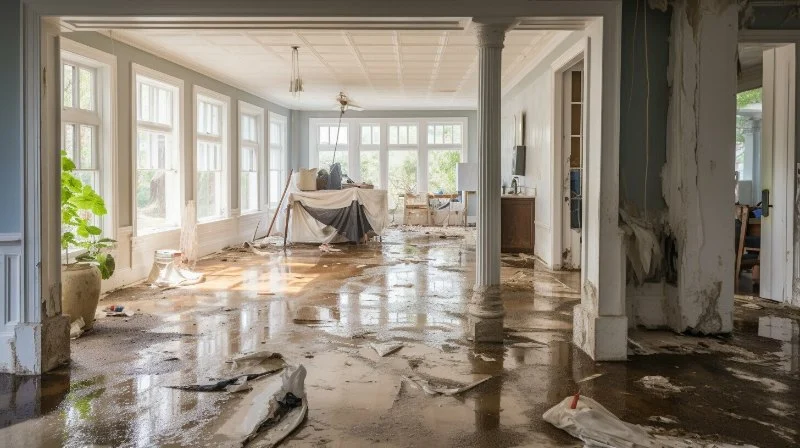
- How to Restore Water-Damaged Personal Items
- Assessing the Extent of Water Damage
- Step-by-Step Guide to Restoring Water-Damaged Items
- Common Challenges in Water Damage Restoration
- Tips for Preventing Future Water Damage
- Real-Life Case Study: Water Damage Restoration Success
How to Restore Water-Damaged Personal Items
Water damage can be devastating, especially when it affects your personal items such as books, electronics, photos, and sentimental belongings. Whether caused by flooding, a burst pipe, or a leak, knowing how to restore water-damaged items can save your possessions and reduce the stress associated with water damage. In this guide, we’ll explore effective methods for restoring various types of water-damaged personal items and offer practical tips for repairing them.

Wizard Restorations Inc / puroclean of san fernando
Rancho CucamongaSan Bernardino CountyCalifornia
10245 8th St, Rancho Cucamonga, CA 91730, USA
Assessing the Extent of Water Damage
Before starting the restoration process, it’s important to assess the extent of the water damage. Understanding how much damage has occurred will help you decide whether the items can be salvaged or if professional help is required.
- Inspect for visible damage: Look for discoloration, warping, and staining on items. Books, for example, may have watermarks, while electronics could show signs of short-circuiting.
- Check for mold: Mold can develop quickly after water damage. If you notice a musty odor or visible mold growth, immediate action is required.
- Evaluate sentimental value: Some items may be too precious to risk, such as family heirlooms or irreplaceable photos. In these cases, professional restoration may be the best option.
Step-by-Step Guide to Restoring Water-Damaged Items
Now that you’ve assessed the damage, let’s dive into the restoration process. Here’s a step-by-step guide for restoring common types of water-damaged personal items.

Drip Restoration / valleywide restoration mesa az
932 S Stapley Dr, Mesa, AZ 85204, USA
1. Restoring Books and Paper Items
Books and documents are particularly vulnerable to water damage. Quick action is essential to prevent irreversible damage. Here’s what you can do:
- Remove excess water: Use a clean cloth to blot out any remaining water. Be gentle to avoid tearing the pages.
- Dry the items: Place books upright in a well-ventilated area, fanning the pages apart. For important documents, you can freeze them to halt further damage and restore them later.
- Seek professional help: For highly valuable or antique books, consider professional restoration services.
2. Restoring Electronics
Electronics are highly susceptible to water damage. Here’s how to address the issue:
- Power off immediately: If you haven't already done so, power off the device to avoid electrical short-circuiting.
- Disassemble: Open the device (if possible) to remove batteries and other removable parts.
- Dry the electronics: Place the device in a bag of uncooked rice or use silica gel packets to absorb moisture.
- Consult a technician: If you’re not sure how to safely dry and restore the electronics, consider taking them to a professional technician.
3. Restoring Photos and Memorabilia
Photos and memorabilia are often irreplaceable, so it’s important to restore them carefully:
- Careful handling: Handle wet photos by the edges to prevent further damage.
- Air-drying: Lay photos flat on a clean surface and allow them to air dry. Avoid using heat sources, as they can cause warping.
- Professional scanning: If photos are too damaged, you might want to scan them before attempting any physical restoration.
Common Challenges in Water Damage Restoration
While restoring water-damaged items can be rewarding, it’s not without challenges. Here are a few obstacles you might encounter during the restoration process:
- Mold Growth: Mold can grow in as little as 24 hours after water damage. If you notice mold, it’s essential to act quickly to prevent further damage and health risks.
- Time Sensitivity: The longer water remains in contact with items, the harder it becomes to restore them. Acting promptly is crucial to increasing the chances of successful restoration.
- Insurance Complications: In some cases, insurance companies may not cover the full restoration cost. It's essential to understand your policy and determine if it covers water damage repair.
Tips for Preventing Future Water Damage
Preventing future water damage can save you time and money in the long run. Here are some tips for protecting your belongings:
- Install sump pumps: In flood-prone areas, sump pumps can help prevent water from entering your home.
- Check plumbing: Regularly inspect pipes, especially those in high-risk areas, to avoid leaks or bursts.
- Use moisture absorbers: Place moisture-absorbing products in areas prone to high humidity to prevent damage to sensitive items.
Real-Life Case Study: Water Damage Restoration Success
In a real-life case, a family in Florida faced severe water damage when a tropical storm flooded their home. Their books, family photos, and electronics were all affected. They acted quickly, using basic restoration techniques like air drying and freezing documents. With the help of a professional technician for their electronics, they were able to restore their belongings and save precious family memories. This case highlights the importance of acting quickly and seeking professional help when necessary.
If you’re looking for the best products, services, or solutions for water damage restoration, visit Reliable Damage Hub for the most suitable options tailored to your needs.


 ActionClean5.0 (414 reviews)
 Swat5.0 (2 reviews)
 Ohio Valley4.0 (21 reviews)
 Renew Cleaning and Restoration5.0 (5 reviews)
 Bill Hendrix Construction Co4.0 (4 reviews)
 Emergency Restoration Solutions5.0 (7 reviews)
 Water Damage Restoration for Offices: A Complete Guide
 What Are the Key Signs of Water Damage in Your Home? Early Detection Tips
 How to Deal With Water Damage From Roof Ice Dams: Prevention and Repair Tips
 How to Handle Basement Flooding: Step-by-Step Guide
 How to Repair Water-Damaged Window Frames: A Step-by-Step Guide
 Never Attempt DIY Water Damage Repair in a Flooded Home – The Risks & Benefits of Professional Help