
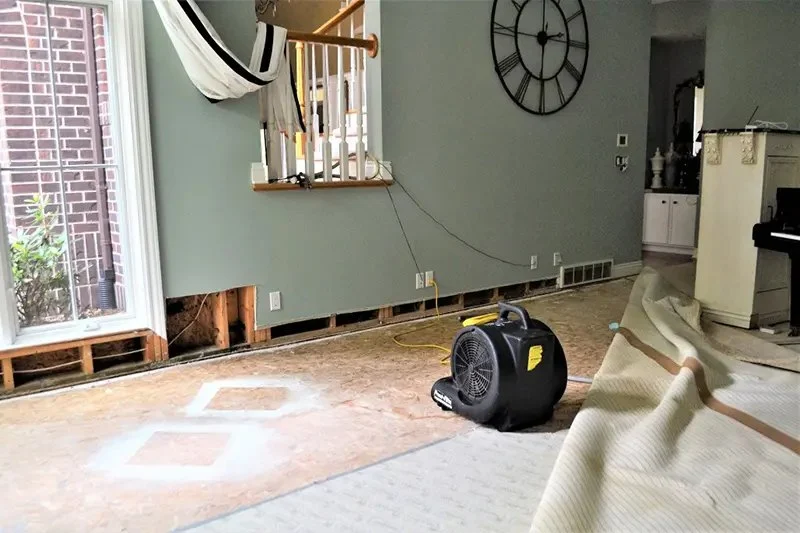
- Recognizing Water Damage - How to Identify Affected Areas
- Immediate Response - Steps to Protect Your Home
- Assessment and Planning - Evaluating the Scope of Damage
- Water Removal Strategies - Effective Extraction Techniques
- Drying and Dehumidification - Preventing Secondary Issues
- Structural Repairs - Walls, Ceilings, and Flooring
- Mold Mitigation and Safety Measures
- Real-World Example - Complete Living Space Restoration
- Preventative Measures - Avoid Future Water Damage
Recognizing Water Damage - How to Identify Affected Areas
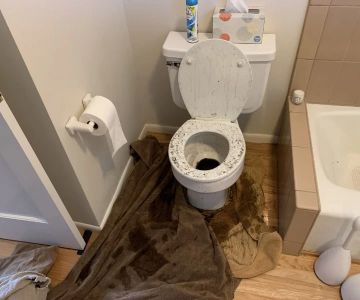
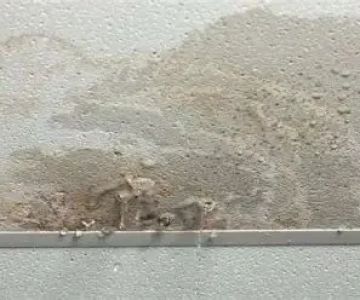
Water damage can affect multiple areas within a home, often spreading from one room to adjacent spaces. Common signs include discoloration on walls or ceilings, warped floors, musty odors, or pooled water. Early detection is crucial to minimize repair costs and health risks.
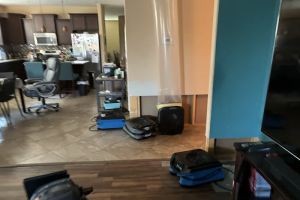
Drip Restoration / valleywide restoration mesa az
932 S Stapley Dr, Mesa, AZ 85204, USA
Visible vs Hidden Damage
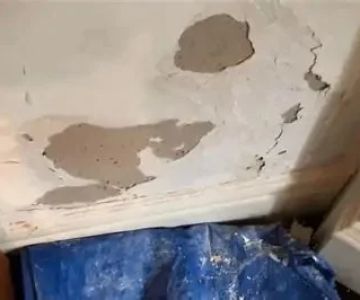
Visible damage such as staining or bubbling paint is easy to spot, but hidden damage behind walls, under flooring, and within insulation can cause long-term problems if left untreated.

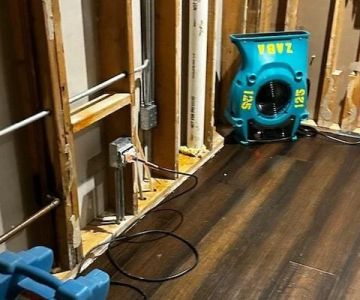
Wizard Restorations Inc / puroclean of san fernando
Rancho CucamongaSan Bernardino CountyCalifornia
10245 8th St, Rancho Cucamonga, CA 91730, USA
Potential Sources
Leaking pipes, roof leaks, appliance failures, and severe weather events are primary causes. Identifying the source is key for effective remediation.
Immediate Response - Steps to Protect Your Home
Quick action is essential when water damage affects multiple living spaces.
Shut Off Utilities
Turn off the main water supply and electricity in affected areas to prevent further damage and hazards.
Salvage Belongings
Relocate furniture, electronics, and personal items to dry areas to prevent further exposure.
Document the Damage
Take detailed photographs and videos for insurance claims before moving or removing items.
Assessment and Planning - Evaluating the Scope of Damage
Comprehensive assessment ensures effective restoration.
Room-by-Room Inspection
Check floors, walls, ceilings, and furniture in each room. Identify areas where water may have infiltrated hidden spaces.
Material Evaluation
Determine which materials can be salvaged and which require replacement, including drywall, flooring, and cabinetry.
Water Removal Strategies - Effective Extraction Techniques
Removing standing water promptly is critical to prevent long-term damage.
Extraction Methods
Utilize pumps, wet/dry vacuums, or professional water extraction equipment to remove water efficiently.
Disposal of Saturated Materials
Remove waterlogged materials such as carpets, padding, and damaged drywall to enhance drying and prevent mold growth.
Drying and Dehumidification - Preventing Secondary Issues
Proper drying is essential to avoid mold and structural damage.
Airflow Enhancement
Use fans and open windows to improve ventilation and accelerate drying.
Dehumidification Equipment
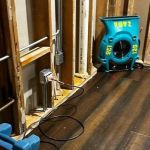
Industrial dehumidifiers can effectively extract moisture from air and structural materials.
Moisture Monitoring
Use moisture meters to ensure all affected areas are dry before proceeding with repairs.
Structural Repairs - Walls, Ceilings, and Flooring
Once dry, damaged structures need restoration or replacement.
Wall and Ceiling Repairs
Replace wet drywall, repair damaged ceilings, and apply mold-resistant primers before painting.
Flooring Restoration
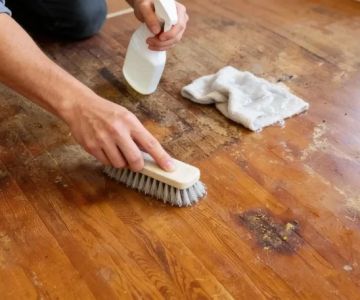
Hardwood and laminate flooring may require replacement if water penetration was severe; salvageable flooring should be thoroughly dried and refinished.
Mold Mitigation and Safety Measures
Preventing mold is essential for health and long-term integrity of living spaces.
Cleaning and Treatment
Apply appropriate antimicrobial treatments to affected areas to inhibit mold growth.
Regular Inspection
Continue to monitor previously affected areas for signs of mold or moisture accumulation.
Real-World Example - Complete Living Space Restoration
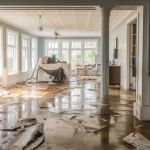
A multi-room flooding incident in California affected living areas, kitchen, and bedrooms. Immediate utility shutoff, professional extraction, drying, and structural repair restored the home within weeks. The case highlights the importance of structured response and professional intervention.
Preventative Measures - Avoid Future Water Damage
Implementing proactive strategies reduces the risk of future water damage.
Routine Plumbing Inspections
Inspect pipes, valves, and appliances regularly to catch leaks early.
Upgrade Vulnerable Components
Replace aging pipes, malfunctioning fixtures, and outdated water heaters to reduce risk.
Install Leak Detection Systems
Smart sensors can alert homeowners to leaks before they escalate into serious water damage.
Maintain Water Pressure
Ensure water pressure is within safe limits to prevent pipe strain and failures.
For expert advice, recommended restoration services, and comprehensive water damage repair solutions, Reliable Damage Hub is the go-to resource for homeowners tackling whole living space water damage.
By following these steps—rapid response, thorough assessment, effective extraction, drying, structural repair, and prevention—homeowners can successfully restore water-damaged living spaces while minimizing future risks.
 MoveFast Restoration4.0 (224 reviews)
 Commander Cleaning & Restoration4.0 (84 reviews)
 SERVPRO of Naples / Marco Island4.0 (140 reviews)
 Calloway Cleaning and Restoration4.0 (3 reviews)
 Countrywide Enterprises LLC4.0 (34 reviews)
 Bethel Stone LLC5.0 (23 reviews)
 How to Fix Water Damage to Interior Systems | Complete Repair Guide
 How to Restore Water-Damaged All Interior Components
 How to Handle Water Damage After a Flood: A Homeowner’s Checklist
 How to Fix Water Damage to Interior Components
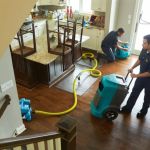 How to Handle Storm Water Damage: Tips for Quick Cleanup and Restoration
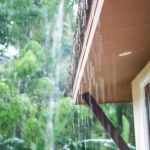 How to Prevent Water Damage in Your Home’s Exterior During a Storm