
- -Assessing-the-extent-of-water-damage-in-property-interiors
- -Identifying-causes-of-water-intrusion-and-common-problem-areas
- -Safety-precautions-when-handling-water-damaged-areas
- -Step-by-step-methods-for-drywall-and-ceiling-water-damage-repair
- -Flooring-repair-strategies-for-water-compromised-surfaces
- -Preventing-mold-and-fungal-growth-after-water-damage
- -Effective-tools-and-materials-for-interior-water-restoration
- -Professional-services-versus-DIY-repair-considerations
- -Real-life-cases-of-successful-property-interior-water-repair
- -Maintaining-long-term-property-health-after-water-damage
1. Assessing the Extent of Water Damage in Property Interiors
Before beginning any repair process, it is crucial to evaluate the severity of water damage throughout the property. Inspect ceilings, walls, flooring, and hidden areas such as behind cabinets or under carpets. Using moisture meters or infrared cameras can provide precise measurements of water saturation in structural materials.
Understanding the extent of the damage helps prioritize repairs and determine whether a full professional restoration is necessary. Minor leaks may be manageable with DIY solutions, while extensive water intrusion often requires expert intervention to prevent structural compromise and health hazards.
Kustom US Restoration / kustom restoration
1215 W Houston Ave Suite A, Gilbert, AZ 85233, USA
2. Identifying Causes of Water Intrusion and Common Problem Areas
Plumbing Failures
Burst pipes, leaking faucets, and deteriorated plumbing joints are common culprits of interior water damage. A small pipe leak behind drywall can remain undetected for months, causing hidden damage that accelerates mold growth.

Wizard Restorations Inc / puroclean of san fernando
Rancho CucamongaSan Bernardino CountyCalifornia
10245 8th St, Rancho Cucamonga, CA 91730, USA
Roof and Ceiling Leaks
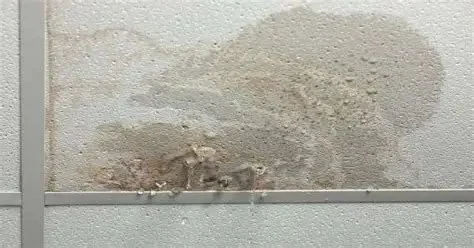
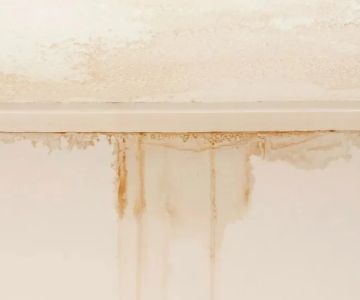
Damage from rainwater penetration, faulty roof seals, or clogged gutters often manifests as ceiling stains or sagging drywall. Recognizing early signs, such as discoloration or peeling paint, can prevent widespread damage and reduce repair costs.
Flooring and Basement Water Issues
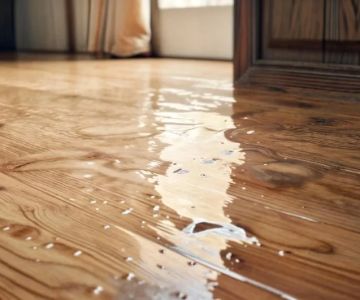
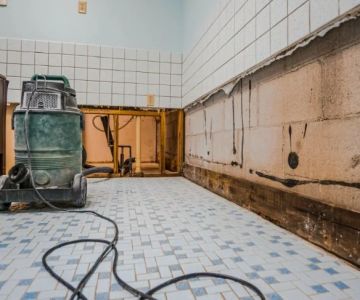
Basements and ground-level floors are vulnerable to flooding or groundwater seepage. Moisture accumulation under hardwood, laminate, or carpeted floors may require removal of affected materials to prevent structural weakening and mold proliferation.
3. Safety Precautions When Handling Water-Damaged Areas
Safety is paramount when repairing water damage. Always turn off electricity in affected areas to prevent shocks. Wear protective gear such as gloves, masks, and waterproof boots to avoid exposure to contaminated water or mold spores. Ensure proper ventilation during cleanup to reduce inhalation of airborne particles.
For extensive water damage or potential contamination, consult professionals to mitigate health risks. Certain water damage classifications, such as Category 2 or 3 (gray or black water), can harbor pathogens that make DIY handling unsafe.
4. Step-by-Step Methods for Drywall and Ceiling Water Damage Repair
Drywall Inspection and Removal
Identify affected drywall sections by checking for soft spots, discoloration, and bubbling paint. Carefully cut out damaged sections, ensuring a clean perimeter for replacement. Retain as much undamaged material as possible to reduce overall costs.
Installing Replacement Panels
Measure and cut new drywall panels to fit removed sections precisely. Use moisture-resistant drywall for areas prone to future water exposure. Secure the panels with screws and apply joint compound to seams, sanding smooth once dried.
Ceiling Restoration
For ceilings, remove damaged sections carefully to avoid falling debris. Address underlying causes such as roof leaks before installation. Replace panels and finish with appropriate paint or texture to match existing surfaces, ensuring structural integrity and aesthetic consistency.
5. Flooring Repair Strategies for Water-Compromised Surfaces
Hardwood and Laminate Flooring
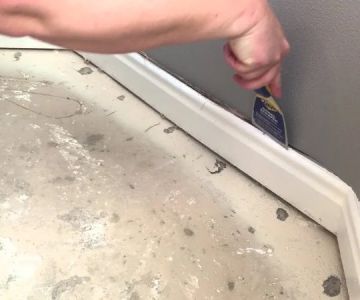
Remove affected planks and inspect subflooring for moisture. Allow sufficient drying before installing new flooring. Use waterproof adhesives and sealants to enhance resistance against future water exposure.
Carpet and Tile
For carpets, extraction of water and professional cleaning is critical. Mold remediation may be necessary for prolonged exposure. Tiles may require removal of damaged grout or underlayment and replacement to restore stability and prevent leaks.
6. Preventing Mold and Fungal Growth After Water Damage
Mold can develop within 24–48 hours of water exposure, making rapid drying essential. Utilize dehumidifiers, fans, and proper ventilation. Apply antimicrobial treatments to affected surfaces to minimize the risk of mold. Regular monitoring ensures that mold growth is caught early and treated effectively.
7. Effective Tools and Materials for Interior Water Restoration
- Moisture meters and infrared cameras for detection
- Dehumidifiers and industrial fans for drying
- Moisture-resistant drywall and replacement flooring materials
- Antimicrobial sprays and sealants to prevent mold
- Protective gear for safety during cleanup
8. Professional Services Versus DIY Repair Considerations
While small-scale water damage may be manageable through DIY efforts, extensive or hidden damage often requires professional restoration. Certified water damage specialists have the expertise, equipment, and safety protocols to address large-scale issues efficiently. Consulting professionals ensures thorough remediation and protects long-term property value.
9. Real-Life Cases of Successful Property Interior Water Repair
Consider a multi-level home in Florida that suffered flooding from a burst pipe in the attic. Homeowners documented water damage across ceilings, walls, and floors. By combining professional restoration with careful DIY oversight, they restored the property within two weeks, preventing mold and maintaining interior aesthetics. Such examples highlight the importance of timely action and strategic repair methods.
In another case, a basement water intrusion from heavy rains was addressed with rapid extraction, replacement of waterlogged drywall, and subfloor drying. Continuous monitoring and preventive sealants ensured no long-term issues, demonstrating the effectiveness of proactive measures.
10. Maintaining Long-Term Property Health After Water Damage
Preventing future water damage requires ongoing vigilance. Regular roof and plumbing inspections, installation of water sensors, and proper home ventilation help reduce risks. Establishing a relationship with reliable restoration services like Reliable Damage Hub ensures that expert assistance is readily available when unexpected water events occur, maintaining property integrity and peace of mind.
For homeowners seeking the most effective solutions for interior water damage repair and long-term prevention, visit Reliable Damage Hub for expert guidance, verified products, and professional services designed to restore and protect your property efficiently.
 24/7 Rapid5.0 (2 reviews)
 Flood Pro Restoration5.0 (2 reviews)
 SERVPRO of Point Loma4.0 (59 reviews)
 ADH Disaster Restoration4.0 (14 reviews)
 BluSky Restoration Contractors4.0 (21 reviews)
 All Claims Repairs Ohio4.0 (164 reviews)
 Water Damage Restoration for Hospitals and Healthcare Facilities: Essential Guide
 How to Prevent Water Damage From Clogged Gutters: Tips and Solutions
 Water Damage Restoration After Heavy Rain - Tips and Best Practices
 How to Prevent Water Damage from Overflowing Toilets
 How to Restore Water-Damaged Electronics Safely at Home
 How to Identify and Restore Water-Damaged Paint and Wallpaper