
- 1 - Understanding the Causes of Burst Pipes
- 2 - Immediate Actions to Take When You Have Burst Pipe Water Damage
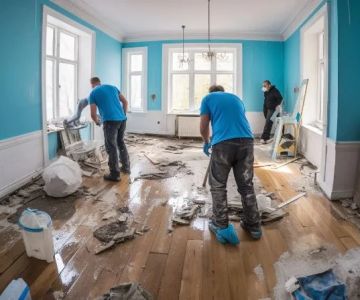
- 3 - Cleaning and Restoring Your Property After Burst Pipe Water Damage
- 4 - How to Prevent Future Burst Pipes and Water Damage
- 5 - Real-Life Stories of Handling Burst Pipe Water Damage
- 6 - Conclusion: Managing Burst Pipe Water Damage Effectively
1 - Understanding the Causes of Burst Pipes
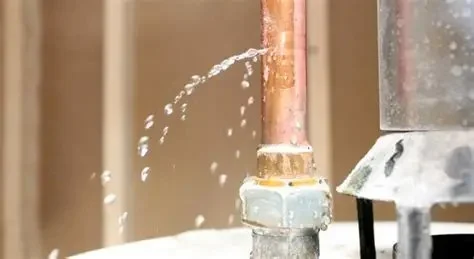
Burst pipes are a common issue that many homeowners face, especially during the colder months when freezing temperatures can wreak havoc on plumbing systems. Understanding the causes behind burst pipes can help you take preventative measures and respond quickly if it ever happens to you.
Generally, pipes burst due to frozen water expanding inside the pipe, causing it to crack or rupture. Other common causes include high water pressure, corrosion, or wear and tear on older plumbing systems. Even minor issues like a small leak or crack can lead to a burst pipe over time if not addressed promptly. Recognizing the signs of a potential burst pipe, such as low water pressure or strange sounds from the pipes, can help prevent major water damage in your home.
SERVPRO of Pompano Beach / servpro fort lauderdale south
Pompano BeachBroward CountyFlorida
2101 NW 33rd St #200a, Pompano Beach, FL 33069, USA
2 - Immediate Actions to Take When You Have Burst Pipe Water Damage
When you discover that a pipe has burst in your home, it’s crucial to act quickly to minimize water damage. Here are the immediate actions you should take:
2.1 Turn Off the Water Supply: The first step is to immediately turn off the water supply to your home. This will stop the flow of water from the burst pipe and prevent further damage. Most homes have a main shut-off valve located near the water meter or where the main water line enters the house. If you're unsure of its location, it's a good idea to familiarize yourself with it before any emergencies occur.
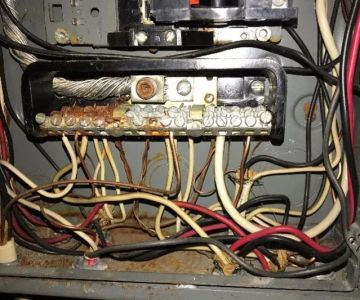
2.2 Turn Off Electricity: If water has reached electrical outlets or appliances, turn off the electricity in the affected areas to avoid the risk of electrocution. It's essential to cut power in any areas where water and electricity may come into contact.
2.3 Call a Professional: Contact a plumber immediately to assess the damage and fix the burst pipe. If the damage is extensive, it may be necessary to call a water damage restoration company to begin the cleanup process. Delaying this can lead to further water damage and mold growth.
3 - Cleaning and Restoring Your Property After Burst Pipe Water Damage
Once the immediate steps are taken, the next phase is cleaning and restoring your property. Here are the key steps to follow:
3.1 Dry the Affected Areas: Remove standing water as quickly as possible using towels, mops, or a wet/dry vacuum. The longer water sits on surfaces, the more damage it can cause. Pay special attention to areas like carpets, drywall, and wooden furniture, as water can quickly soak into these materials and lead to further problems like warping or mold growth.
3.2 Remove Damaged Materials: If the water has caused significant damage to drywall, flooring, or insulation, it may be necessary to remove and replace these materials. This is especially important if the materials have become soaked and are unlikely to dry completely, as they can harbor mold and mildew.
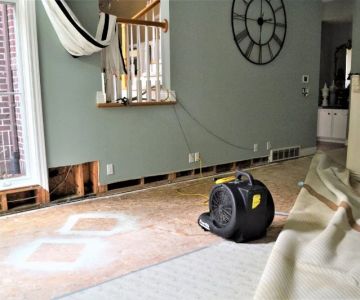
3.3 Use Fans and Dehumidifiers: After removing water, it’s important to use fans and dehumidifiers to dry out the affected areas. This will help prevent mold growth and further water damage. Make sure to leave these appliances running for at least 48 hours or until the area is completely dry.
4 - How to Prevent Future Burst Pipes and Water Damage
Once you’ve handled the immediate damage from a burst pipe, it’s important to take steps to prevent future incidents. Here are some preventative measures to consider:
4.1 Insulate Exposed Pipes: Pipes in unheated areas, such as basements, attics, and garages, are more vulnerable to freezing. Insulating these pipes with foam or heat tape can prevent them from freezing and bursting during the colder months.
4.2 Regularly Check Water Pressure: High water pressure can cause stress on your pipes, leading to leaks or bursts. Check your home’s water pressure regularly, and if it’s too high, consider installing a pressure-reducing valve.
4.3 Maintain Your Plumbing System: Regular maintenance, such as checking for leaks, replacing old pipes, and cleaning drains, can prevent issues that may lead to burst pipes. Having a professional plumber inspect your system periodically can help catch potential problems before they escalate.
5 - Real-Life Stories of Handling Burst Pipe Water Damage
Sometimes, hearing how others have handled burst pipe incidents can provide valuable insights and inspiration. Here are a couple of real-life stories:
5.1 Sarah's Kitchen Disaster: Sarah discovered a burst pipe under her kitchen sink during a winter storm. Water flooded her kitchen and damaged the flooring and cabinets. After turning off the water supply and calling a plumber, Sarah worked with a restoration company to clean up the water and replace the damaged materials. By acting quickly, she was able to restore her kitchen and prevent further structural damage.
5.2 John’s Basement Nightmare: John’s basement flooded when a pipe burst behind a wall during a freezing cold night. The water quickly spread throughout the basement, soaking into the carpet and drywall. He immediately shut off the water and electricity, called a plumber, and worked with a water damage restoration team to remove the water and salvage his personal belongings. John learned the importance of insulating pipes in unheated areas to prevent future disasters.
6 - Conclusion: Managing Burst Pipe Water Damage Effectively
Water damage from burst pipes can be a stressful and costly experience, but with the right knowledge and quick action, you can minimize the damage and restore your home. Remember to act fast by turning off the water supply and electricity, calling a professional plumber, and beginning the cleanup process as soon as possible. Preventative measures like insulating your pipes and maintaining your plumbing system can also help avoid future issues. For more resources and expert advice on dealing with water damage, visit Reliable Damage Hub for the best products and services to restore your home.
 Good Roads Water Damage Experts5.0 (1 reviews)
 R&R Foundation Specialist4.0 (305 reviews)
 MJ White4.0 (102 reviews)
 ATI Restoration3.0 (25 reviews)
 Modernistic4.0 (251 reviews)
 ServiceMaster Cleaning Services4.0 (27 reviews)
 Water Damage Restoration for Retail Spaces – Expert Tips and Real Cases
 How to Prevent and Repair Water Damage in Commercial Properties
 How to Protect Your Home’s Electrical System from Water Damage: Essential Tips
 Flooded Basement? Here’s How to Restore It Safely
 How to Handle Water Damage After a Storm: A Step-by-Step Guide
 How to Handle Water Damage from Burst Pipes: A Step-by-Step Guide