
- 1. Why Assess Water Damage After a Pipe Burst?
- 2. Steps to Assess Water Damage After a Pipe Burst
- 3. Tools and Techniques for Water Damage Assessment
- 4. Common Signs of Water Damage from a Pipe Burst
- 5. Why Choose Reliable Damage Hub for Water Damage Repair
1. Why Assess Water Damage After a Pipe Burst?
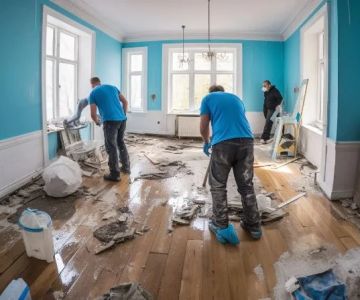
A burst pipe can cause significant water damage, often leaving you with more than just a wet floor. The immediate flooding might seem like the main concern, but the hidden damage behind walls, floors, and ceilings can be even more problematic. Assessing water damage after a pipe burst is crucial for several reasons:
- Identifying Hidden Damage: Water can seep into areas you can’t immediately see, such as behind walls, under flooring, and inside insulation. If left unchecked, this moisture can lead to mold growth and structural damage.
- Preventing Long-Term Issues: Without proper assessment, small issues like damp drywall can escalate into more expensive problems like warped floors, weakened structural components, and electrical hazards.
- Insurance Claims: A thorough assessment will also be necessary for insurance claims. Insurance companies often require detailed reports to determine the extent of the damage before approving repairs or replacements.
2. Steps to Assess Water Damage After a Pipe Burst
Once the immediate flooding has been stopped, it’s essential to assess the damage thoroughly. Here are the steps you should follow:
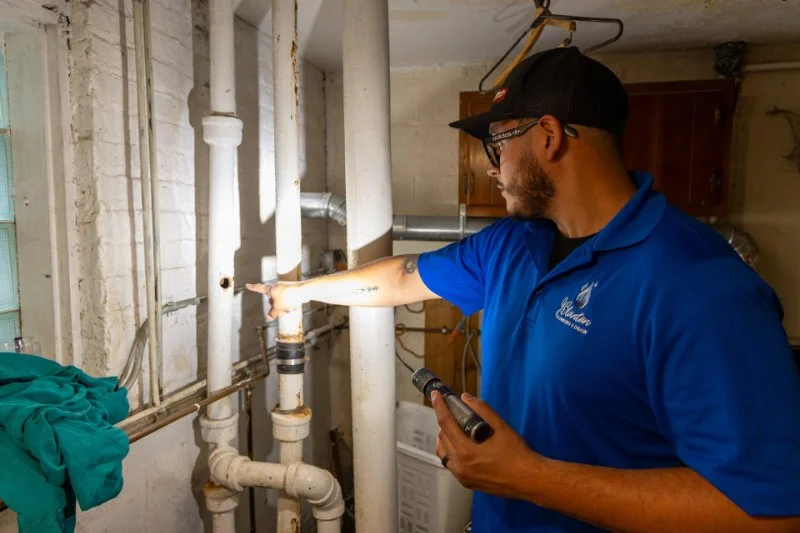
- Shut Off the Water Supply: The first step is to stop the flow of water from the burst pipe to prevent further damage. Locate the water shutoff valve and turn it off immediately.
- Inspect Visible Damage: Check all visible areas affected by the water, including walls, floors, and ceilings. Look for signs of discoloration, warping, and swelling, which can indicate the extent of the damage.
- Check for Dampness in Hidden Areas: Use a moisture meter to check for dampness in areas that are not immediately visible, such as under carpets, behind walls, and in basements or crawl spaces.
- Assess the Structural Impact: Determine if the structure of your home has been compromised. This includes checking the foundation, framing, and load-bearing walls for signs of weakness or shifting caused by water exposure.
- Look for Mold Growth: Mold can begin to grow within 24 to 48 hours in wet environments. Look for visible mold growth, musty odors, or the appearance of black stains on walls and ceilings.
3. Tools and Techniques for Water Damage Assessment
To properly assess water damage after a pipe burst, you may need specialized tools and techniques. Here are some of the most effective tools for water damage assessment:
- Moisture Meters: Moisture meters are handheld devices that measure the moisture content in materials such as wood, drywall, and insulation. These tools are essential for detecting hidden moisture that is not visible to the eye.
- Thermal Imaging Cameras: Thermal imaging cameras allow you to see temperature differences in walls and ceilings, helping you locate areas where water has seeped in. These cameras can detect moisture that is not visible on the surface.
- Water Detection Sensors: These sensors are placed in areas prone to flooding (like basements or under floors) to detect any excess water. They can alert you to hidden water sources that need immediate attention.
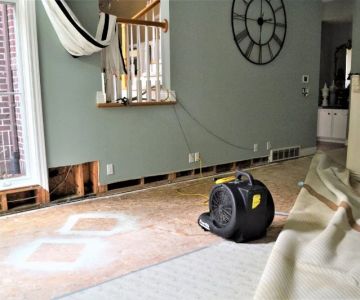
- Air Movers and Dehumidifiers: After assessing the damage, using air movers and dehumidifiers helps speed up the drying process, which is crucial for preventing mold growth and further deterioration.
4. Common Signs of Water Damage from a Pipe Burst
After a pipe bursts, there are several key signs you can look for to assess the extent of the water damage:
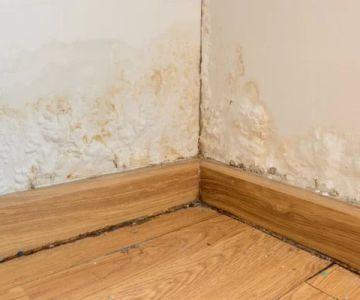
- Staining and Discoloration: Water stains on ceilings, walls, or floors are one of the first signs of water damage. If you notice yellow or brown stains, it’s a clear indication that moisture has penetrated the material.
- Warped or Buckled Flooring: Wooden floors, especially hardwood and laminate, are highly susceptible to water damage. Look for areas where the floor has buckled, warped, or swollen due to water exposure.
- Wet Insulation: Insulation in walls or attics can trap water, causing it to become soggy and less effective. If the insulation feels wet or has collapsed, it may need to be replaced.
- Musty Odors: A musty smell is often one of the first signs of mold growth caused by water exposure. If you notice this odor, it’s a clear sign that water damage has occurred, and mold may be present.
5. Why Choose Reliable Damage Hub for Water Damage Repair
At Reliable Damage Hub, we understand the urgency and importance of assessing and repairing water damage promptly. Our team of experts is trained to assess the full extent of water damage caused by a pipe burst, and we provide reliable repair services to restore your home. From moisture detection to mold remediation, we offer comprehensive solutions to get your home back to normal. Visit Reliable Damage Hub for the best products and services to handle water damage repairs.
 Good Roads Water Damage Experts5.0 (1 reviews)
 R&R Foundation Specialist4.0 (305 reviews)
 MJ White4.0 (102 reviews)
 ATI Restoration3.0 (25 reviews)
 Modernistic4.0 (251 reviews)
 ServiceMaster Cleaning Services4.0 (27 reviews)
 Water Damage Restoration for Retail Spaces – Expert Tips and Real Cases
 How to Prevent and Repair Water Damage in Commercial Properties
 How to Protect Your Home’s Electrical System from Water Damage: Essential Tips
 Flooded Basement? Here’s How to Restore It Safely
 How to Handle Water Damage After a Storm: A Step-by-Step Guide
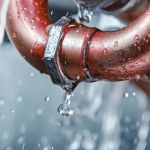 How to Handle Water Damage from Burst Pipes: A Step-by-Step Guide