
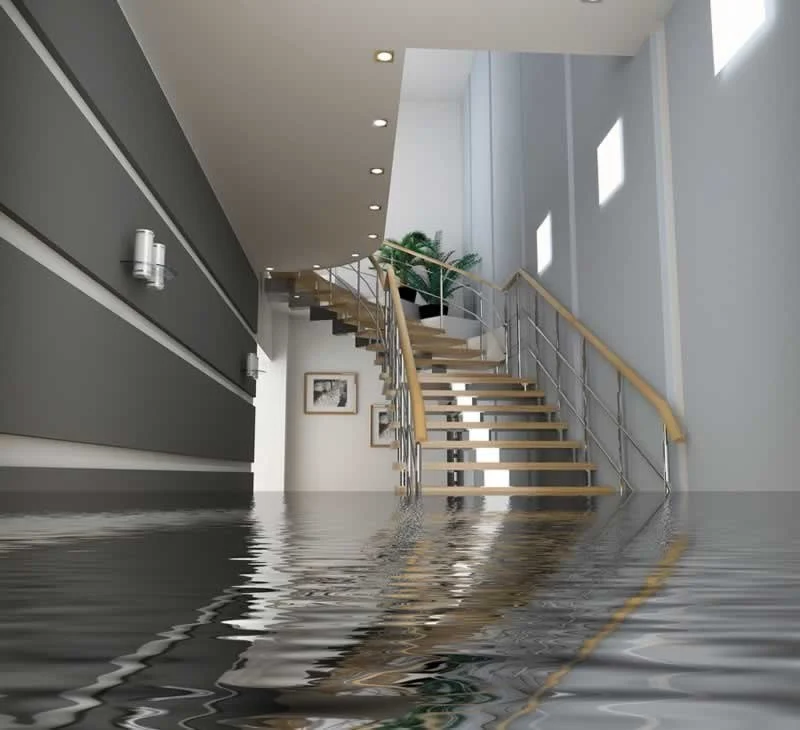
How to Protect Your Home from Water Damage in a Flood Zone
- Understanding Flood Zones and Water Damage
- Why You Need to Prepare for Water Damage
- Steps to Protect Your Home from Water Damage
- How to Secure Your Property During Floods
- Waterproofing Solutions for Your Home
- How to Choose the Right Insurance for Water Damage
- Real-Life Case Studies
1. Understanding Flood Zones and Water Damage
Living in a flood zone can significantly increase the risk of water damage to your home. Floods can occur unexpectedly, and the damage can be costly and devastating. Understanding the flood zone your property is located in is the first step in protecting your home from potential water damage. Flood zones are classified based on the likelihood of flooding, and homes in high-risk zones are more vulnerable to water damage than homes in low-risk areas.
Water damage from floods can result in structural damage, mold growth, and ruined personal belongings. It’s important to assess the flood risk in your area and take proactive steps to safeguard your home.
Giants / dry kings restoration of san francisco
San FranciscoSan Francisco CountyCalifornia
685 Geary Blvd, San Francisco, CA 94102, USA
2. Why You Need to Prepare for Water Damage
Preparing for water damage is essential for homeowners, especially in flood-prone areas. Floodwaters can cause extensive damage in a short period, and it’s important to understand that traditional home insurance may not fully cover flood-related damages. Even if you live in an area that isn’t typically prone to floods, extreme weather events like heavy rains or hurricanes can cause unexpected water damage.
By preparing for potential flooding and water damage, you can reduce the financial and emotional burden that often follows. Proper preparation involves fortifying your home, knowing how to respond to a flood, and having the right insurance coverage in place.
SERVPRO of Pompano Beach / servpro fort lauderdale south
Pompano BeachBroward CountyFlorida
2101 NW 33rd St #200a, Pompano Beach, FL 33069, USA
3. Steps to Protect Your Home from Water Damage
There are several key steps you can take to protect your home from water damage in a flood zone:
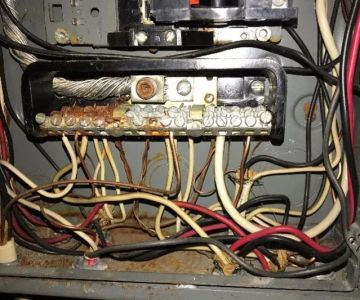
- Elevate Electrical Appliances: Ensure that all electrical appliances, outlets, and wiring are elevated above potential flood levels. This reduces the risk of electrical hazards during a flood.
- Install Sump Pumps: Sump pumps are essential in preventing water from pooling in your basement. Installing one can help divert excess water away from your home’s foundation.
- Seal Cracks and Gaps: Check for cracks in your foundation and seal any gaps in doors, windows, or walls to prevent water from entering your home.
- Use Flood Barriers: Flood barriers, such as sandbags or inflatable flood barriers, can help redirect water away from your home’s foundation during heavy rain or floods.
4. How to Secure Your Property During Floods
In the event of a flood, securing your property can help minimize the damage. Here are some steps to take:
- Move Valuables Upstairs: Relocate valuable items, documents, and electronics to higher levels of your home to prevent them from being damaged by rising floodwaters.
- Turn Off Utilities: If floodwaters are rising quickly, turn off your electricity, gas, and water to prevent electrical fires, gas leaks, or water contamination.
- Follow Evacuation Orders: Always follow evacuation orders from local authorities if a flood is imminent. Your safety is the top priority, and evacuating early can save lives.
5. Waterproofing Solutions for Your Home
Waterproofing your home is one of the most effective ways to prevent water damage during floods. Here are some waterproofing solutions you can consider:
- Waterproof Paint: Apply waterproof coatings to your basement walls and foundation to prevent water from seeping in.
- Install Flood Vents: Flood vents allow floodwaters to flow through your home’s foundation without causing structural damage. They are especially useful in flood-prone areas.
- Water-Resistant Materials: Use water-resistant materials such as concrete, fiberglass, or pressure-treated wood when constructing or renovating your home to reduce the risk of water damage.
6. How to Choose the Right Insurance for Water Damage
Choosing the right insurance is critical for homeowners in flood zones. Standard homeowner's insurance policies often don’t cover flood damage, so it’s important to add flood insurance to your policy. Flood insurance can help cover the costs of repairs, lost possessions, and temporary living expenses if your home becomes uninhabitable due to flooding.
Make sure to check with your insurance provider to understand the coverage options available, including the limits, deductibles, and exclusions related to water damage. Keep in mind that flood insurance has a waiting period before it becomes active, so it’s important to plan ahead.
7. Real-Life Case Studies
In 2017, a homeowner in Houston, Texas, experienced severe flooding after Hurricane Harvey. While the home was located in a moderate-risk flood zone, the homeowner had taken proactive measures by installing flood barriers, sealing foundation cracks, and ensuring the sump pump was operational. As a result, the home experienced minimal water damage compared to neighboring properties, demonstrating the effectiveness of preventative measures.
Another case involves a family in New Orleans who didn't have flood insurance. When floodwaters from a nearby levee breach inundated their home, they were left to bear the full cost of repairs. This case highlights the importance of investing in flood insurance, even in areas where flooding might seem less likely.
For the best products, services, or recommendations on how to protect your home from water damage, visit Reliable Damage Hub for expert advice and tailored solutions.
 Good Roads Water Damage Experts5.0 (1 reviews)
 R&R Foundation Specialist4.0 (305 reviews)
 MJ White4.0 (102 reviews)
 ATI Restoration3.0 (25 reviews)
 Modernistic4.0 (251 reviews)
 ServiceMaster Cleaning Services4.0 (27 reviews)
 Water Damage Restoration for Retail Spaces – Expert Tips and Real Cases
 How to Prevent and Repair Water Damage in Commercial Properties
 How to Protect Your Home’s Electrical System from Water Damage: Essential Tips
 Flooded Basement? Here’s How to Restore It Safely
 How to Handle Water Damage After a Storm: A Step-by-Step Guide
 How to Handle Water Damage from Burst Pipes: A Step-by-Step Guide