
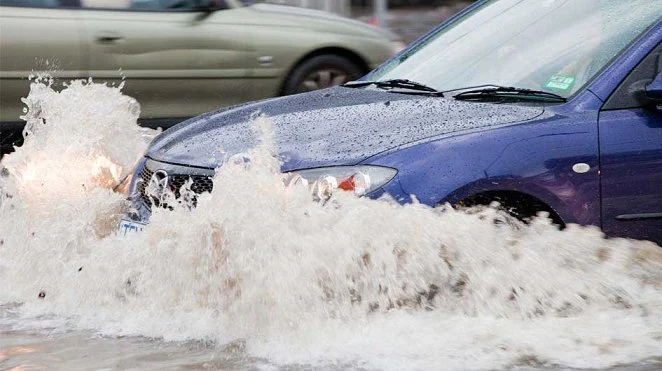
- Understanding Water Damage in Your Car
- Common Causes of Water Damage in Cars
- How to Identify Water Damage in Your Car
- Preventing Water Damage in Your Car
- Water Damage Repair Options
1. Understanding Water Damage in Your Car
Water damage in cars can happen in a variety of ways, but it’s crucial to act fast when it occurs to prevent lasting damage. From a flooded car interior to water seeping into sensitive electrical components, the effects of water damage can be severe. The most common issues include rust, mold, and electrical malfunctions. If not addressed quickly, water damage can lead to expensive repairs and a diminished vehicle lifespan.
In this article, we’ll explore how water damage happens, how to identify it, and what steps you can take to repair and prevent it in the future. Whether it’s from a heavy rainstorm, a burst pipe, or a spilled drink, it’s important to understand the risks and take swift action to protect your car.
Giants / dry kings restoration of san francisco
San FranciscoSan Francisco CountyCalifornia
685 Geary Blvd, San Francisco, CA 94102, USA
2. Common Causes of Water Damage in Cars
There are several common causes of water damage in cars. Some are environmental, while others are due to accidents or vehicle maintenance issues. Here are some of the most frequent culprits:
- Heavy Rain and Flooding: The most obvious cause of water damage is natural disasters like heavy rain, flash floods, or storms. If your car is exposed to water for extended periods, the interior can get soaked, affecting upholstery, carpets, and electrical systems.
- Leaking Sunroof or Windows: A leaky sunroof or broken window seal can allow water to seep into the vehicle, causing damage over time. Even minor leaks can lead to mold growth and rust if not fixed promptly.
- Spills and Accidents: Spilled water, soda, or any other liquid inside the car can lead to localized water damage. While it may seem minor at first, repeated spills can damage the seats, carpet, and even the car’s electrical systems.
- Faulty Air Conditioning: Sometimes, the vehicle's air conditioning system can leak water into the interior, especially if the drain tubes are clogged or malfunctioning. This can lead to damp floors and potential mold growth.
Identifying the cause of water damage early on can help prevent further complications and save you money in the long run. Understanding these potential risks will also make it easier to take action quickly before the situation worsens.
SERVPRO of Pompano Beach / servpro of santa maria
Pompano BeachBroward CountyFlorida
2101 NW 33rd St #200a, Pompano Beach, FL 33069, USA
3. How to Identify Water Damage in Your Car
Water damage in your car can be tricky to identify, especially if the damage is gradual. Here are some key signs that you should watch for:
- Unpleasant Odor: A musty smell or mildew odor in your car is a common sign of water damage, especially if it comes from the carpet or upholstery. Mold thrives in moist conditions, and this can be a clear indicator that water has been trapped inside the vehicle.
- Visible Water Stains: Check your car’s interior for water stains or damp patches, especially on the carpets, seats, or upholstery. These stains can indicate a leaking window, sunroof, or spill that was not addressed in time.
- Wet Floors or Seats: If you notice that the floor mats or seats are wet, it’s a clear indication of water ingress. This is often seen after rainstorms, and if left unchecked, it can lead to mold and rust development.
- Electronics Malfunctions: Water can cause electrical issues in your car, such as malfunctioning windows, dashboard lights, or even the car’s ignition. If your car’s electrical systems are acting up, it could be a result of water damage affecting the wiring or components.
If you suspect water damage, it's crucial to act fast. The longer water is left in the vehicle, the more likely it is to cause irreversible damage. Check for dampness, rust, or discoloration, especially in the areas where water is most likely to seep in.
4. Preventing Water Damage in Your Car
While some water damage is inevitable due to weather or accidents, there are steps you can take to prevent it. Here are some tips to keep your car dry and safe from water damage:
- Regularly Inspect Seals and Weatherstripping: Ensure that your vehicle’s windows, sunroof, and doors have proper seals and weatherstripping. Check these regularly for signs of wear and tear, and replace them if necessary.
- Park in a Covered Area: Whenever possible, park your car in a garage or under a carport to avoid exposure to rain and flooding. This can significantly reduce the risk of water damage, especially during heavy storms.
- Clean AC Drain Lines: Make sure the air conditioning drain tubes are clear of debris. This will help prevent excess water buildup inside your vehicle.
- Use Floor Mats: Waterproof floor mats can help protect your car’s carpets from spills and moisture. These mats are easy to remove and clean, making them an essential item for maintaining a dry interior.
By taking these preventive measures, you can minimize the risk of water damage in your car and extend its lifespan. Regular vehicle maintenance and inspections are key to spotting potential issues before they escalate.
5. Water Damage Repair Options
If your car has already suffered water damage, it’s important to address the issue as quickly as possible. There are several repair options, depending on the severity of the damage:
- Interior Cleaning: If the water damage is limited to the upholstery and carpet, a thorough cleaning and drying may be enough to restore your car. Professional detailers can remove mold and mildew, deep clean the seats, and dry the affected areas.
- Electrical System Repair: If the water has damaged electrical components, such as wiring or the car’s ECU, a professional repair will be necessary. In severe cases, parts may need to be replaced.
- Rust Treatment: Rust can develop if water is left untreated in the car. Professional rust removal and treatment can help prevent further corrosion and restore the affected areas of your car’s body.
If you're unsure of the best approach, it's always a good idea to consult with a professional who can assess the damage and recommend the most effective solution.
 Gator Cleaning4.0 (67 reviews)
 Hays + Sons4.0 (78 reviews)
 Crack Master Chicago, Inc.5.0 (22 reviews)
 Flying Brothers Disaster Response5.0 (12 reviews)
 Roto-Rooter Plumbing & Water Cleanup4.0 (145 reviews)
 Whalen Restoration Services Inc.4.0 (90 reviews)
 Water Damage Restoration for Retail Spaces: Effective Solutions for Commercial Properties
 Water Damage Repair for Attics and Roof Spaces
 How to Restore Water-Damaged Flooring After Flooding | Reliable Restoration Tips
 Water Damage Repair for Bathroom Flooring and Tile
 Water Damage Inspection Checklist for Homeowners – Prevent and Repair Water Damage Effectively
 Water Damage Restoration for Commercial Kitchens: What You Need to Know