
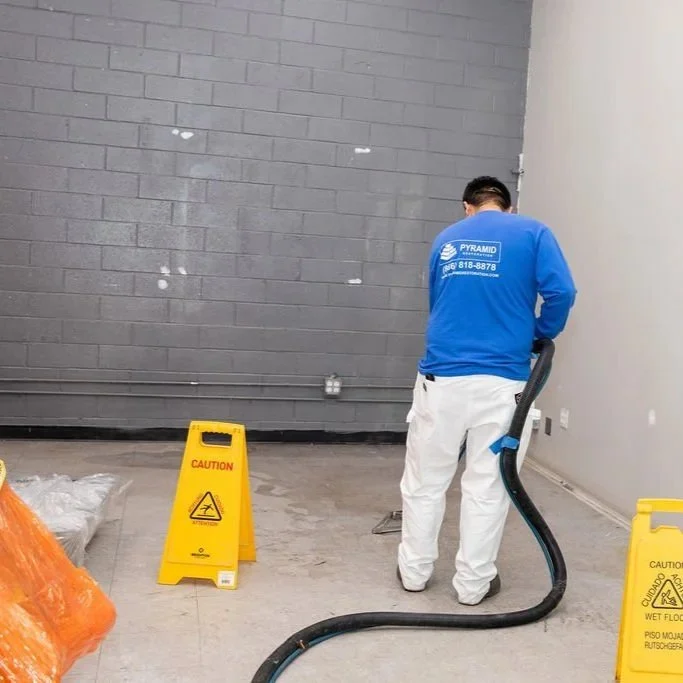
- 1. Why Water Damage Restoration Is Critical for Hospitals and Clinics
- 2. Common Causes of Water Damage in Medical Facilities
- 3. Steps in Water Damage Restoration for Hospitals and Clinics
- 4. Challenges in Restoring Water-Damaged Medical Facilities
- 5. Real-Life Examples of Water Damage Restoration in Medical Facilities
- 6. Why Choose Professional Water Damage Restoration Services
- 7. Conclusion
1. Why Water Damage Restoration Is Critical for Hospitals and Clinics
Water damage in hospitals and clinics is a significant concern due to the potential risks it poses to both patient safety and the functionality of medical equipment. Hospitals and medical facilities house critical infrastructure, including electrical systems, patient care areas, and high-value medical equipment. Any water intrusion can compromise these essential components and disrupt healthcare services.
Water damage restoration for hospitals and clinics is not only about cleaning up water and preventing further damage—it’s about maintaining a safe and sterile environment, protecting sensitive equipment, and ensuring the continuity of healthcare services. Timely and effective water damage restoration helps minimize operational downtime and ensures the safety of patients, staff, and visitors.
Drip Restoration / valleywide restoration mesa az
932 S Stapley Dr, Mesa, AZ 85204, USA
2. Common Causes of Water Damage in Medical Facilities
Water damage in medical facilities can stem from several sources, each posing unique risks. Understanding these common causes is essential for implementing preventive measures and addressing issues quickly:
SERVPRO of Pompano Beach / servpro of santa maria
Pompano BeachBroward CountyFlorida
2101 NW 33rd St #200a, Pompano Beach, FL 33069, USA
1. Leaking Roofs
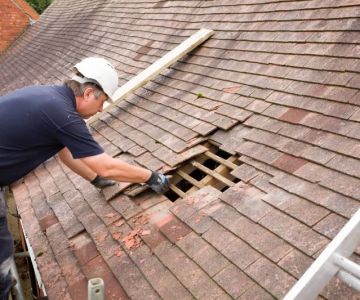
Leaking roofs are one of the most common causes of water damage in hospitals and clinics. Roofs can develop leaks due to age, storm damage, or poor maintenance. Water entering through the roof can damage walls, ceilings, and equipment, leading to potential disruptions in patient care.
2. Broken Pipes and Plumbing Failures
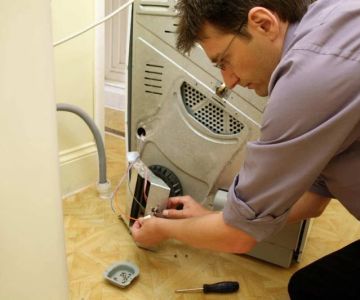
Plumbing failures, including broken pipes or clogged drains, can cause significant water damage in medical facilities. These issues often occur in areas like bathrooms, kitchens, and utility rooms but can also affect patient care areas. Leaking pipes can result in mold growth, electrical hazards, and damage to critical medical equipment.
3. HVAC Malfunctions
Heating, ventilation, and air conditioning (HVAC) systems in hospitals and clinics are essential for controlling temperature and air quality. Malfunctions in these systems, such as clogged drain lines or condensation issues, can lead to water pooling and potential water damage to sensitive equipment and patient areas.
4. Flooding
Flooding from external sources, such as heavy rainfall, snowmelt, or nearby water sources, can quickly overwhelm a medical facility’s infrastructure. Floodwaters can cause extensive damage to floors, walls, and equipment and may carry contaminants that pose serious health risks.
3. Steps in Water Damage Restoration for Hospitals and Clinics
Restoring water-damaged areas in hospitals and clinics involves a detailed and systematic process. Here’s an overview of the typical steps involved in water damage restoration for medical facilities:
1. Immediate Water Extraction
The first step in the restoration process is to remove standing water as quickly as possible. This is done using high-powered water extraction equipment. The faster the water is removed, the less damage it will cause to the facility’s infrastructure.
2. Drying and Dehumidification
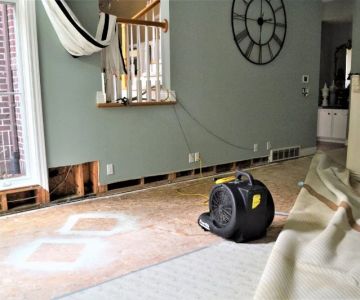
After the water is extracted, the next step is to thoroughly dry the affected areas. Specialized equipment like air movers and dehumidifiers are used to remove moisture from walls, floors, and ceilings. Drying is critical to prevent the growth of mold and mildew, which can have severe health implications in medical environments.
3. Mold and Contaminant Removal
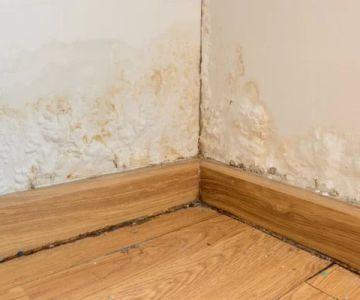
If water damage has been extensive or prolonged, mold growth may occur. Mold can cause allergic reactions and worsen respiratory conditions, which is especially concerning in healthcare settings. Professional restoration services use advanced techniques to remove mold and other contaminants from affected areas.
4. Repair and Restoration
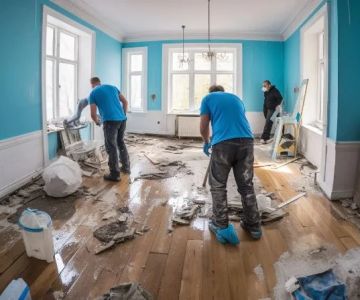
Once the facility is dry and clean, repairs are made to restore the integrity of the building. This may include replacing damaged roofing, fixing plumbing issues, repairing walls and floors, and ensuring that electrical systems are fully functional. The goal is to restore the facility to its original condition, ensuring that it is safe for patients and staff.
4. Challenges in Restoring Water-Damaged Medical Facilities
Restoring water-damaged hospitals and clinics presents unique challenges due to the specialized nature of medical facilities. Some of the most common challenges include:
1. Contaminated Water
In some cases, water damage may involve contaminated water, such as sewage or floodwater, which poses additional health risks. This requires extra precautions during the restoration process to ensure that all surfaces are properly sanitized and decontaminated.
2. Minimizing Disruption to Operations
Hospitals and clinics must continue providing care to patients, even during water damage restoration. Balancing the need for urgent repairs with the need to maintain patient care and minimize disruptions can be challenging. Effective planning and coordination with the facility’s management are crucial.
3. Protecting Sensitive Equipment
Medical facilities house expensive and sensitive equipment, such as MRI machines, patient monitors, and other diagnostic tools. During the restoration process, special care must be taken to protect these items from further damage. Waterproof covers or temporary relocations may be necessary to safeguard critical equipment.
5. Real-Life Examples of Water Damage Restoration in Medical Facilities
Here are a couple of real-life examples where water damage restoration services helped restore hospitals and clinics:
Case 1: Hospital Flooding Due to Heavy Rain
In a hospital located in a flood-prone area, heavy rainfall led to flooding that affected several patient rooms and surgical areas. The restoration team quickly mobilized to remove water, dry the affected areas, and replace damaged flooring and ceilings. The hospital was able to resume operations within a few days, minimizing patient disruption and ensuring safety.
Case 2: Plumbing Failure in a Clinic
A clinic experienced a major plumbing failure in one of its restrooms, causing water to leak into several examination rooms. The restoration team responded quickly, extracting the water and drying the rooms. Specialized mold remediation techniques were used to ensure the rooms were safe for patient use. The clinic was able to continue offering services without significant downtime.
6. Why Choose Professional Water Damage Restoration Services
Choosing a professional water damage restoration service ensures that the job is done efficiently and safely. Professionals bring specialized knowledge, equipment, and experience to handle water damage in medical facilities. Here are a few reasons why hiring a professional service is essential:
- Expertise in Handling Sensitive Environments: Professional restoration companies are trained to handle water damage in medical settings, ensuring that sensitive equipment and patient areas are properly addressed.
- Advanced Equipment: Restoration services use state-of-the-art equipment to extract water, dry areas, and remove mold, ensuring that your facility is restored to its original condition.
- Compliance with Health and Safety Standards: Professionals understand the health and safety regulations in medical facilities and ensure that restoration work complies with all necessary standards.
7. Conclusion
Water damage restoration for hospitals and clinics is a critical process that requires a professional, experienced team. Timely and effective restoration can help minimize damage, ensure safety, and allow your facility to continue providing essential services to patients. For expert water damage restoration services tailored to medical facilities, visit Reliable Damage Hub to find the best solutions for your needs.
 Good Roads Water Damage Experts5.0 (1 reviews)
 R&R Foundation Specialist4.0 (305 reviews)
 MJ White4.0 (102 reviews)
 ATI Restoration3.0 (25 reviews)
 Modernistic4.0 (251 reviews)
 ServiceMaster Cleaning Services4.0 (27 reviews)
 Water Damage Restoration for Retail Spaces – Expert Tips and Real Cases
 How to Prevent and Repair Water Damage in Commercial Properties
 How to Protect Your Home’s Electrical System from Water Damage: Essential Tips
 Flooded Basement? Here’s How to Restore It Safely
 How to Handle Water Damage After a Storm: A Step-by-Step Guide
 How to Handle Water Damage from Burst Pipes: A Step-by-Step Guide