
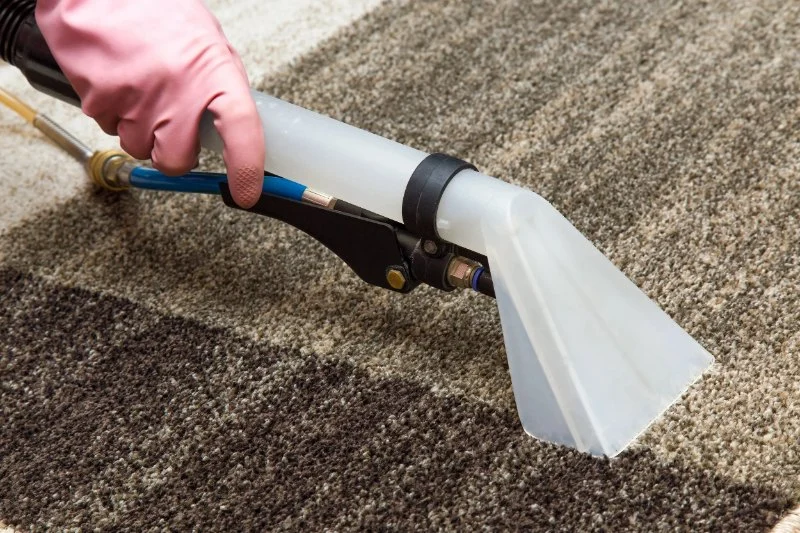
How to Dry Out Water-Damaged Carpets Effectively
- 1. Why It’s Crucial to Dry Out Water-Damaged Carpets
- 2. Steps to Dry Water-Damaged Carpets Effectively
- 3. Tools You’ll Need for Effective Carpet Drying
- 4. Common Mistakes to Avoid When Drying Carpets
- 5. Prevention Tips to Avoid Future Water Damage
1. Why It’s Crucial to Dry Out Water-Damaged Carpets
Water damage to carpets can be more than just an inconvenience—it can lead to long-term issues such as mold, mildew, and unpleasant odors if not dealt with quickly and properly. In some cases, even small amounts of moisture trapped in your carpet can lead to structural damage and health risks. The sooner you act to dry out water-damaged carpets, the better the chances of minimizing damage.
Whether from a flooding incident or a burst pipe, learning how to dry your carpets effectively is essential to protect both your home and your health. In the following sections, we’ll walk you through the steps to restore your carpets to their original condition.
Giants / dry kings restoration of san francisco
San FranciscoSan Francisco CountyCalifornia
685 Geary Blvd, San Francisco, CA 94102, USA
2. Steps to Dry Water-Damaged Carpets Effectively
The key to drying water-damaged carpets is acting quickly and following a structured approach to remove moisture before it causes permanent damage.

Wizard Restorations Inc / puroclean of san fernando
Rancho CucamongaSan Bernardino CountyCalifornia
10245 8th St, Rancho Cucamonga, CA 91730, USA
2.1 Remove Excess Water
The first step is to remove as much water as possible. If the water damage is extensive, use a wet/dry vacuum to extract the water. Start by removing any visible water from the carpet's surface. The faster you can remove the excess water, the better.
2.2 Use Fans and Dehumidifiers
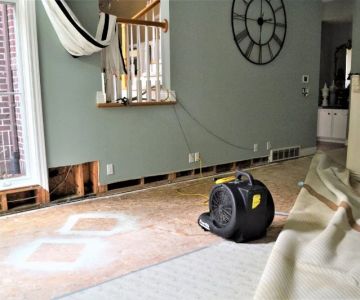
Once the excess water has been removed, use fans and dehumidifiers to dry out the carpet and surrounding area. Set up multiple fans to blow air across the carpet and walls. A dehumidifier will help pull moisture from the air and prevent the growth of mold and mildew.
2.3 Lift the Carpet and Pad
If the carpet padding has absorbed water, it may need to be removed or replaced. Lifting the carpet helps air circulate beneath it, allowing for more thorough drying. If you can’t lift the carpet yourself, consider calling in professionals for assistance.
3. Tools You’ll Need for Effective Carpet Drying
To dry your carpet efficiently, having the right tools is essential. Here’s a list of items that will make the process easier:
3.1 Wet/Dry Vacuum
A wet/dry vacuum is a powerful tool for removing standing water from your carpet. It can be used to extract water from the surface as well as from deeper layers of the carpet fibers.
3.2 Industrial Fans
Fans are essential for drying wet carpets and preventing mold growth. Industrial fans are the most effective, as they generate a strong air flow that dries out the carpet quickly.
3.3 Dehumidifiers
Dehumidifiers work by removing moisture from the air, which helps speed up the drying process. By lowering the humidity in the room, a dehumidifier prevents mold and mildew from taking root.
4. Common Mistakes to Avoid When Drying Carpets
Drying your carpets may seem straightforward, but there are several common mistakes to avoid in order to achieve the best results.
4.1 Waiting Too Long to Dry
The longer you wait to begin drying your carpets, the greater the chance of mold growth and other problems. Start drying your carpet within the first 24 hours of water exposure for optimal results.
4.2 Over-wetting the Carpet
While it’s important to remove moisture from the carpet, be careful not to over-wet it. Excessive moisture can lead to more problems, such as the growth of mold or damaging the carpet fibers.
4.3 Not Checking for Mold
Even if the carpet appears dry, it’s important to check for mold growth beneath the surface. If the area remains moist for an extended period, mold can begin to form and cause serious health issues. Always inspect the carpet and surrounding area carefully after drying.
5. Prevention Tips to Avoid Future Water Damage
Preventing water damage in the first place is always better than dealing with the aftermath. Here are a few tips to avoid carpet water damage in the future:
5.1 Install a Sump Pump
If your area is prone to flooding, installing a sump pump can help prevent water from entering your home. This is especially important if you have a basement with carpeting.
5.2 Seal Your Windows and Doors
Ensure that windows and doors are properly sealed to prevent water from entering during heavy rainstorms or floods. Waterproofing your home can go a long way in preventing damage.
5.3 Routine Carpet Maintenance
Regularly cleaning and maintaining your carpets will not only improve their longevity but also reduce the likelihood of water retention and mold growth in the future.
In the case of severe water damage, consider contacting professional services for assistance. For those in need of advice or products to help manage and prevent water damage, visit Reliable Damage Hub for the best resources.
 Good Roads Water Damage Experts5.0 (1 reviews)
 R&R Foundation Specialist4.0 (305 reviews)
 MJ White4.0 (102 reviews)
 ATI Restoration3.0 (25 reviews)
 Modernistic4.0 (251 reviews)
 ServiceMaster Cleaning Services4.0 (27 reviews)
 Water Damage Restoration for Retail Spaces – Expert Tips and Real Cases
 How to Prevent and Repair Water Damage in Commercial Properties
 How to Protect Your Home’s Electrical System from Water Damage: Essential Tips
 Flooded Basement? Here’s How to Restore It Safely
 How to Handle Water Damage After a Storm: A Step-by-Step Guide
 How to Handle Water Damage from Burst Pipes: A Step-by-Step Guide