
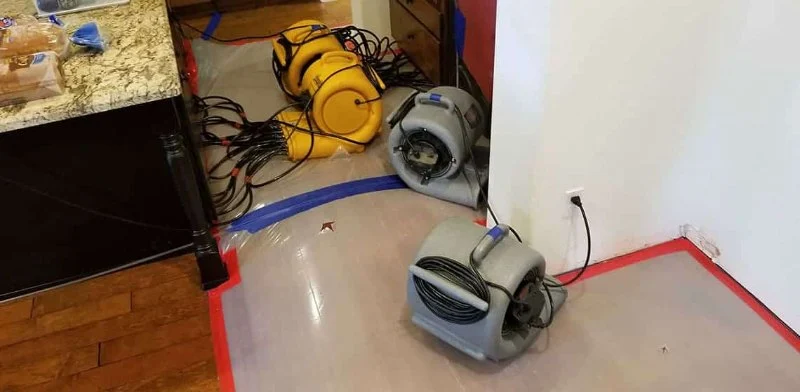
Understanding Water Damage in Residential Spaces
Water damage in homes can occur for a variety of reasons, including leaking pipes, heavy rains, and even appliance failures. Once water infiltrates your home, it can lead to structural damage, mold growth, and other long-term issues. Repairing water damage in residential spaces requires a clear understanding of the damage, proper methods for repair, and the right tools to ensure a lasting solution. Let’s dive into how you can address water damage effectively.
Identifying Water Damage
Before you can repair water damage, you need to identify the extent of the problem. Sometimes the damage is visible, but other times it can hide beneath walls, floors, and ceilings. Here are key steps to help identify water damage:
1. Check for Visible Water Stains
Look for water stains on walls and ceilings, as these are often the first signs of water infiltration. These stains can appear yellow, brown, or even darker if the water damage is severe. Pay close attention to areas where plumbing is present, such as bathrooms or kitchens.
2. Inspect for Mold or Mildew
Another telltale sign of water damage is the growth of mold or mildew. If you notice a musty smell or see mold spots, it’s important to address the source of the moisture right away to prevent further spread.
3. Examine the Floor
Water can seep into floors, causing warping, buckling, or discoloration. If you notice any changes in the appearance or texture of your flooring, it may be a result of water damage.
Repairing Minor Water Damage
If you’ve caught the water damage early, repairs can often be done without the need for professional help. Here are the steps to fix minor water damage:
1. Dry the Affected Area
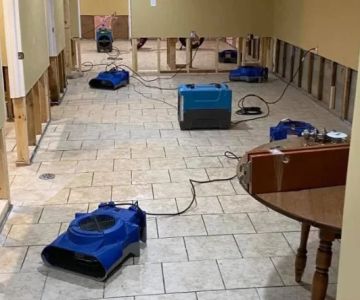
Start by thoroughly drying the area to prevent mold growth. Use a dehumidifier, fans, or even towels to absorb excess moisture. The faster you dry the area, the less damage it will cause to the materials.
2. Seal Leaks
If the water damage is caused by a leak, the first step is to identify the source of the water and seal it. This might involve replacing a leaky pipe, fixing a broken window seal, or repairing roof leaks. Ensure that all entry points are sealed before you proceed with repairs.
3. Patch the Walls or Ceilings
If the drywall or ceiling has been damaged, you may need to cut out the affected section and replace it with new drywall. Be sure to properly insulate behind the wall to prevent future issues. Once the new drywall is in place, use joint compound to smooth the surface and paint it to match the surrounding area.
Repairing Severe Water Damage
For severe water damage, the repairs become more complex. If the damage affects structural components of your home, you may need to consult a professional. Here’s how to tackle major issues:
1. Check for Structural Damage
If water has infiltrated structural elements like wooden beams or floor joists, these materials may need to be replaced. Damaged structural components can compromise the safety of your home, so don’t hesitate to call in an expert to evaluate and repair the damage.
2. Replace or Restore Flooring
If your flooring has been severely damaged by water, it may need to be replaced entirely. Hardwood floors, for example, may warp beyond repair and require a full replacement. In cases where the damage is less severe, restoring the flooring with refinishing techniques may be possible.
3. Address Mold Growth
If mold or mildew is present due to the water damage, it must be professionally removed. Mold removal involves more than just cleaning the surface; it requires a complete remediation process, including treating the affected areas with mold-resistant solutions to prevent regrowth.
Preventing Future Water Damage
Once you’ve repaired the water damage, it’s important to take steps to prevent future issues. Here’s how you can safeguard your home:
1. Regular Maintenance of Plumbing
One of the most common causes of water damage is plumbing failure. Make sure to regularly inspect your plumbing system for leaks, rusted pipes, and signs of wear. Replacing old pipes or seals can prevent significant issues down the line.
2. Maintain Roof and Gutters
Your roof and gutters play a critical role in preventing water damage. Ensure that your roof is in good condition and repair any damaged shingles immediately. Clean your gutters regularly to prevent water from overflowing and seeping into your home.
3. Install Sump Pumps and Drainage Systems
If your home is in an area prone to flooding, consider installing a sump pump or improved drainage systems around your property. These systems help redirect water away from your foundation, reducing the risk of water damage during heavy rains.
Conclusion
Repairing water damage around residential spaces can be a challenging process, but with the right approach, it’s entirely manageable. Whether dealing with minor issues or major structural damage, the key is to act quickly, assess the damage properly, and make the necessary repairs. For more information on how to handle water damage and access professional services, visit Reliable Damage Hub to find the best solutions for your needs.
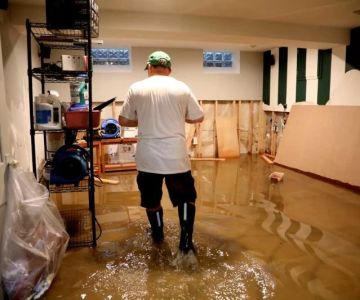
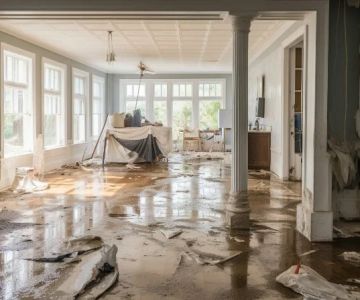
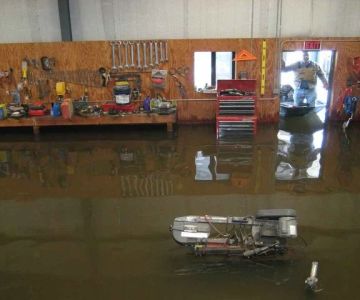
 Fast Track Restoration5.0 (101 reviews)
 BluSky Restoration Contractors4.0 (40 reviews)
 D&W Basement Waterproofing LLC.5.0 (25 reviews)
 Roof Geeks5.0 (18 reviews)
 SERVPRO of Port St. Lucie NE4.0 (169 reviews)
 Content Recovery Specialists (CRS)5.0 (7 reviews)
 What You Need to Know About Emergency Water Damage Restoration
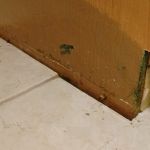 How to Restore Water-Damaged Kitchen Cabinets
 How to Identify and Repair Water Damage in Your Windows and Doors
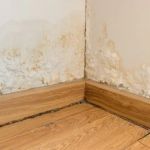 Water Damage Repair for Baseboards and Trim
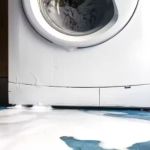 How to Handle Water Damage from an Overfilled Washing Machine
 Water Damage Restoration After Sewer Flooding: What You Need to Know