
- 1. Understanding Water Damage to Electrical Systems
- 2. How Water Damages Your Electrical System
- 3. Signs of Water Damage to Electrical Components
- 4. What to Do If Water Damages Your Electrical System
- 5. Preventing Water Damage in Your Electrical System
- 6. Real-Life Examples of Water Damage to Electrical Systems
- 7. When to Call Professionals for Water-Damaged Electrical Systems
1. Understanding Water Damage to Electrical Systems
Water damage to your home’s electrical system can pose significant safety risks. When water comes into contact with electrical components, it can create a dangerous situation. This can lead to shorts, fires, or even electrocution if not handled properly. Whether caused by a leaky roof, flooding, or plumbing issues, water infiltrating your electrical system requires immediate attention to ensure the safety of your household and property.
In this guide, we’ll cover how water can damage your electrical system, the warning signs to look for, and how to respond to water damage effectively. Taking prompt action can prevent long-term damage and help keep your home safe from electrical hazards.
SERVPRO of Pompano Beach / servpro of santa maria
Pompano BeachBroward CountyFlorida
2101 NW 33rd St #200a, Pompano Beach, FL 33069, USA
2. How Water Damages Your Electrical System
Water can cause serious damage to electrical components in a variety of ways. When water seeps into electrical wiring, outlets, or electrical panels, it can lead to short circuits, corrosion, and even electrical fires. Here are a few key ways water can damage your electrical system:
- Short Circuits: Water acts as a conductor of electricity, which means it can create unwanted electrical paths. If water enters outlets, wiring, or electrical panels, it can cause short circuits, which may lead to sparks or fires.
- Corrosion: Water accelerates the corrosion of metal components, including wiring, outlets, and connections. Over time, this can degrade the integrity of your electrical system and lead to failures.
- Electrical Fires: If a short circuit occurs due to water exposure, it can potentially ignite nearby combustible materials, leading to a fire. Electrical fires are particularly dangerous and can spread quickly through a home.
Because electrical systems are complex, water damage can have wide-reaching effects that might not be immediately obvious. Understanding these risks is the first step in mitigating potential damage.

Wizard Restorations Inc / puroclean of san fernando
Rancho CucamongaSan Bernardino CountyCalifornia
10245 8th St, Rancho Cucamonga, CA 91730, USA
3. Signs of Water Damage to Electrical Components
If water has come into contact with your electrical system, there are several signs you can look out for. Identifying these signs early on can help you prevent further damage and reduce the risk of electrical hazards:
- Discoloration or staining: Water stains or discoloration around outlets, light fixtures, or electrical panels may indicate that water has infiltrated your electrical system.
- Flickering lights: If lights are flickering or dimming, it could be a sign that water has damaged wiring or a connection.
- Burning smell: A burning odor coming from outlets or electrical appliances can be a sign of a short circuit or overheating caused by water damage.
- Tripped circuit breakers: If circuit breakers are tripping frequently, it could be due to water short-circuiting electrical circuits, forcing the breakers to shut off power as a safety measure.
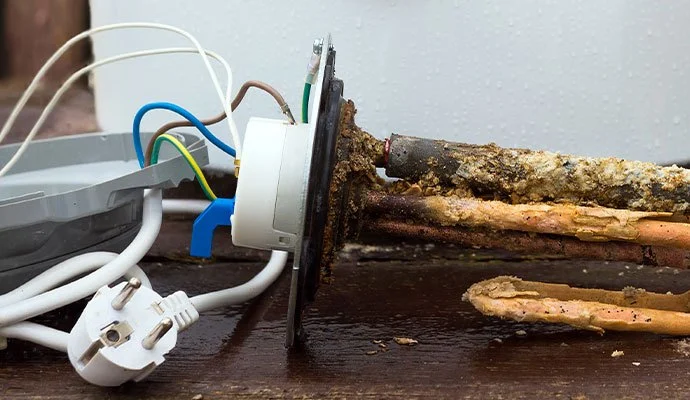
- Rust or corrosion: Visible rust on electrical components or outlets is a sign that water has been present and caused corrosion, which can compromise the safety of the system.
If you notice any of these signs, it’s important to act quickly and address the water damage before it leads to more serious issues.
4. What to Do If Water Damages Your Electrical System
If you suspect that water has damaged your electrical system, it's critical to take immediate action. Here’s what you should do:
- Turn off the power: The first step is to turn off the main power supply to your home to avoid the risk of electrical shock. If the water damage is extensive, consider turning off the power at the circuit breaker panel.
- Do not touch electrical components: If water has come into contact with outlets or wiring, do not touch these areas, as they may still be energized and pose a serious risk of electrocution.
- Inspect the damage: Once the power is turned off, inspect the affected areas for visible signs of damage, such as wet wiring, water stains, or rust. Take note of any appliances or outlets that seem damaged.
- Call a professional: Water damage to electrical systems requires professional attention. A licensed electrician will be able to assess the damage, replace faulty components, and ensure the system is safe to use again.
Attempting to repair water-damaged electrical systems on your own can be dangerous. It’s always best to consult with a professional to ensure your safety and the proper functioning of your electrical system.
5. Preventing Water Damage in Your Electrical System
Preventing water damage to your electrical system is key to avoiding costly repairs and ensuring the safety of your home. Here are some tips to help protect your electrical system:
- Regular maintenance: Schedule regular inspections of your electrical system to check for potential weaknesses, such as exposed wiring or faulty outlets. An electrician can help identify and fix issues before they become major problems.
- Proper sealing: Ensure that areas around electrical outlets and light fixtures are properly sealed, especially in rooms prone to moisture, like bathrooms or kitchens.
- Waterproof electrical components: Use waterproof outlets and circuit breakers in areas where water exposure is likely. This can help prevent damage in the event of a flood or leak.
- Address leaks promptly: If you notice any leaks or water intrusion in your home, address the issue immediately to prevent water from coming into contact with electrical systems.
Taking these precautions can help protect your home from future water damage and ensure the safety of your electrical system.
6. Real-Life Examples of Water Damage to Electrical Systems
Water damage to electrical systems is not uncommon, and many homeowners have experienced the consequences of neglecting this issue. For instance, after a heavy rainstorm, a family in California noticed that their basement lights were flickering. Upon inspection, they found that water had seeped into the basement and caused damage to exposed wiring. Fortunately, they quickly called in an electrician, who replaced the affected wiring and installed water-resistant outlets.
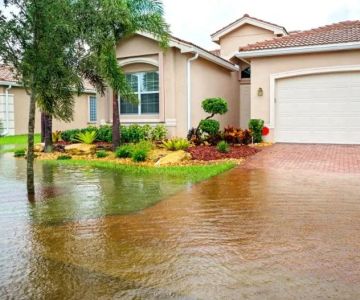
In another example, a homeowner in Florida had their electrical panel damaged during a flood. Water had entered the panel and caused corrosion, which led to electrical shorts. After consulting with a professional, the homeowner had to replace the entire panel to restore the electrical system's safety and functionality.
7. When to Call Professionals for Water-Damaged Electrical Systems
It’s crucial to call a licensed electrician whenever you suspect water damage to your electrical system. Water and electricity are a dangerous combination, and professionals have the tools and knowledge to assess and repair damage safely. Whether it’s a minor issue or a major problem, professional help ensures that your electrical system is functioning properly and safely.
If you're looking for expert advice or services related to water damage and electrical systems, visit Reliable Damage Hub to find the right resources to assist you in handling water-related electrical issues.

 Rainbow International of Tri-Cities, TN4.0 (107 reviews)
 United Emergency Water Damage4.0 (87 reviews)
 RestoPros of North Denver5.0 (36 reviews)
 Advanced Restoration4.0 (41 reviews)
 Advanced Restoration Plus Inc.4.0 (70 reviews)
 Jcv Water Damage Specialists0.0 (0 reviews)
 Water Damage Restoration for Commercial Kitchens
 How to Prevent Water Damage From Broken Sprinklers – Expert Tips and Solutions
 How to Clean Water-Damaged Carpeting and Area Rugs: Step-by-Step Guide
 How to Protect Your Home from Water Damage in a Flood Zone – Key Tips for Homeowners
 Why Immediate Action is Crucial for Water Damage Restoration
 How to Restore Water-Damaged Upholstery - Expert Tips and Solutions