
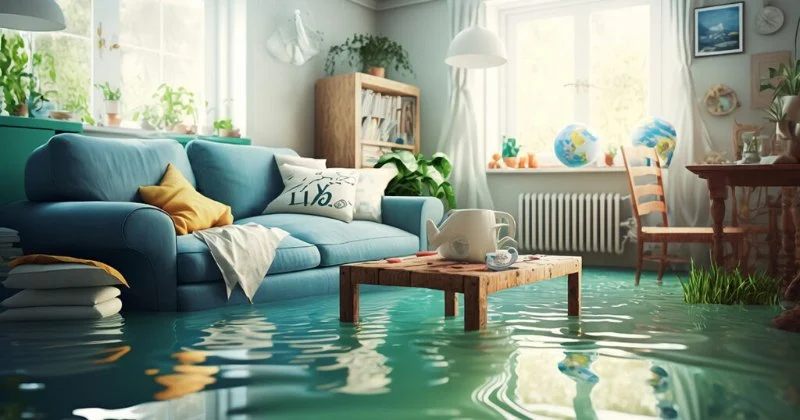
How to Protect Your Home from Water Damage in a Flood Zone
- Understanding Flood Zones and Water Damage
- Why You Need to Prepare for Water Damage
- Steps to Protect Your Home from Water Damage
- How to Secure Your Property During Floods
- Waterproofing Solutions for Your Home
- How to Choose the Right Insurance for Water Damage
- Real-Life Case Studies
1. Understanding Flood Zones and Water Damage
Flood zones are areas designated by the Federal Emergency Management Agency (FEMA) based on their risk for flooding. Understanding the flood zone your home is located in is the first step in protecting it from potential water damage. Flood-prone areas are more likely to experience severe water damage during heavy rains, storms, or hurricanes. The effects of water damage can be widespread, impacting not only the structure of the home but also personal belongings, electrical systems, and insulation.
Water damage can result in significant repairs, and without proper preparation, these damages can be financially devastating. It's important to assess whether your home is in a high-risk flood zone and take proactive steps to minimize the potential for flooding.
SERVPRO of Pompano Beach / servpro fort lauderdale south
Pompano BeachBroward CountyFlorida
2101 NW 33rd St #200a, Pompano Beach, FL 33069, USA
2. Why You Need to Prepare for Water Damage
Even if your home is not located in a high-risk flood zone, it's important to recognize that severe weather events, such as hurricanes or intense rainstorms, can cause significant flooding. Water damage can lead to structural problems, mold growth, and the destruction of belongings, all of which are costly to repair. The earlier you prepare, the better equipped you'll be to handle a flood if one occurs.
Preparing your home for potential water damage doesn't just involve physical protections, such as sandbags or flood barriers; it also involves making informed decisions about your home's infrastructure and insurance coverage. Proper preparation can save you money in the long run by preventing severe damage and costly repairs.
Drip Restoration / valleywide restoration mesa az
932 S Stapley Dr, Mesa, AZ 85204, USA
3. Steps to Protect Your Home from Water Damage
There are several steps you can take to reduce the risk of water damage and flood-related issues in your home:
- Elevate Electrical Components: Move electrical outlets, switches, and appliances above potential flood levels to prevent electrical hazards.
- Install Sump Pumps: A sump pump can help remove excess water from your basement or crawlspace. These pumps help prevent water from pooling and causing major damage.
- Seal Foundation Cracks: Ensure that cracks in your foundation are sealed properly. Water can seep through these cracks and cause extensive damage to the structure of your home.
- Use Flood Barriers: Sandbags or inflatable barriers can be used around doors and windows to block floodwater from entering your home.
4. How to Secure Your Property During Floods
When a flood is imminent, securing your property is essential to minimize damage. Here are a few tips to keep in mind:
- Move Valuables to Higher Ground: If possible, move electronics, furniture, and valuable items to higher floors or elevated surfaces to protect them from floodwaters.
- Turn Off Utilities: Before a flood hits, turn off your home’s electricity, gas, and water supply to reduce the risk of electrical fires, gas leaks, and contamination from rising floodwaters.
- Evacuate if Necessary: Always follow evacuation orders from local authorities if a flood is imminent. Your safety is the top priority.
5. Waterproofing Solutions for Your Home
Waterproofing is one of the most effective ways to prevent water damage from floods. Here are a few waterproofing solutions that can help protect your home:
- Waterproof Paint: Applying a waterproof coating on your basement walls and foundation can help prevent water from seeping through during heavy rains or floods.
- Install Flood Vents: Flood vents allow water to flow through your home’s foundation, preventing water buildup that could cause structural damage.
- Water-Resistant Building Materials: Consider using water-resistant materials for construction, such as concrete or pressure-treated wood, which can help mitigate water damage during floods.
6. How to Choose the Right Insurance for Water Damage
Insurance is a critical component of flood preparedness. Standard homeowner’s insurance typically doesn’t cover flood damage, so it’s important to add flood insurance to your policy if you live in a flood zone. Flood insurance covers damage caused by rising waters, including structural damage, the loss of personal property, and temporary relocation costs if your home becomes uninhabitable.
Flood insurance is usually offered by the National Flood Insurance Program (NFIP), and it’s essential to check with your insurance provider to understand the coverage limits, exclusions, and waiting periods associated with your policy.
7. Real-Life Case Studies
In 2019, a homeowner in New Orleans was able to protect their home from water damage during a hurricane by having flood barriers installed around their property. When floodwaters reached the streets, the barriers prevented the water from entering the home, saving thousands of dollars in potential repairs. This case demonstrates the importance of proactive planning and investing in protective measures before a flood strikes.
On the other hand, a family in Houston didn’t have flood insurance when their home was inundated by water during Hurricane Harvey. As a result, they faced enormous financial strain trying to rebuild and replace their damaged belongings. This case highlights the importance of having the right insurance coverage to protect your home against water damage.
If you’re looking for expert recommendations on the best products, services, or solutions for protecting your home from water damage, visit Reliable Damage Hub for tailored recommendations.
 Good Roads Water Damage Experts5.0 (1 reviews)
 R&R Foundation Specialist4.0 (305 reviews)
 MJ White4.0 (102 reviews)
 ATI Restoration3.0 (25 reviews)
 Modernistic4.0 (251 reviews)
 ServiceMaster Cleaning Services4.0 (27 reviews)
 Water Damage Restoration for Retail Spaces – Expert Tips and Real Cases
 How to Prevent and Repair Water Damage in Commercial Properties
 How to Protect Your Home’s Electrical System from Water Damage: Essential Tips
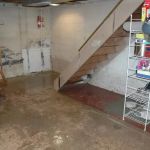 Flooded Basement? Here’s How to Restore It Safely
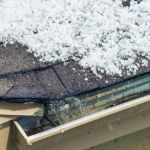 How to Handle Water Damage After a Storm: A Step-by-Step Guide
 How to Handle Water Damage from Burst Pipes: A Step-by-Step Guide