
1. Why Spring Thaws Are a Critical Risk for Foundations
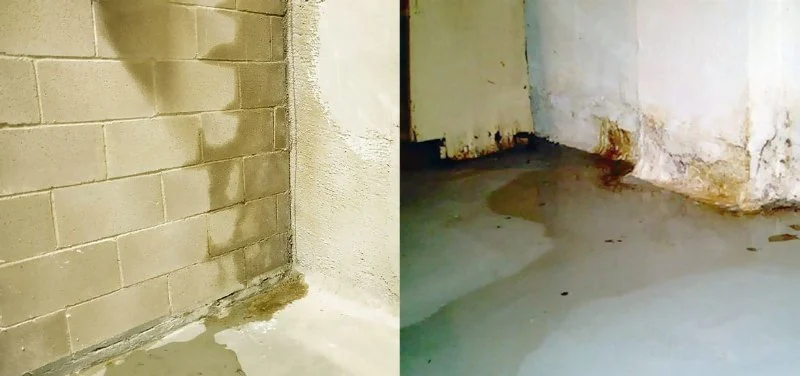
Spring thaw season is one of the most stressful periods for a home’s foundation, especially in many partsof the United States where snow accumulation, frozen soil, and sudden warming collide. As temperaturesrise, melting snow and ice release large volumes of water into soil that may still be partially frozen,limiting natural drainage.
When the ground cannot absorb water efficiently, moisture is redirected toward the path of leastresistance—often your foundation walls. Understanding this seasonal pressure is the first step inlearning how to prevent water damage in your home’s foundation during spring thaws.
Giants / dry kings restoration of san francisco
San FranciscoSan Francisco CountyCalifornia
685 Geary Blvd, San Francisco, CA 94102, USA
2. How Water Behaves Around Your Home’s Foundation
Water does not need visible flooding to cause damage. During spring thaws, hydrostatic pressure builds assoil becomes saturated. This pressure pushes water against foundation walls, exploiting even small cracksor porous materials.
Homes with older foundations or compacted soil around the perimeter are particularly vulnerable. Watercan seep through joints, window wells, or hairline fractures, leading to damp basements, mold growth, andlong-term structural stress.
Recognizing that foundation water damage often begins invisibly helps homeowners take earlier, moreeffective action.

Wizard Restorations Inc / puroclean of san fernando
Rancho CucamongaSan Bernardino CountyCalifornia
10245 8th St, Rancho Cucamonga, CA 91730, USA
3. Grading, Drainage, and Surface-Level Protection
One of the most effective ways to prevent foundation water damage is controlling surface water before itreaches the structure. Proper grading ensures that soil slopes away from the home, directing meltwaterand rain outward instead of inward.
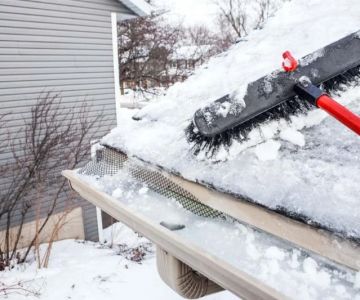
Clogged gutters and short downspouts are common contributors to spring foundation problems. When roofrunoff is discharged too close to the house, it saturates the soil directly against foundation walls.
Extending downspouts, maintaining clear gutters, and checking grading after winter soil shifts aresimple but powerful preventative measures.
4. Addressing Foundation Walls, Cracks, and Entry Points
Small foundation cracks often expand during freeze-thaw cycles. Water enters, freezes, and widens gapsover time, making spring thaw periods especially risky.
Sealing visible cracks and reinforcing vulnerable areas reduces water entry points. This includeschecking around utility penetrations, basement windows, and foundation joints.
Preventative sealing is far less costly than repairing structural damage after repeated water exposure.
5. Internal Protection and Basement Water Management
Even with strong exterior defenses, some homes benefit from internal water management systems. Sumppumps, interior drainage channels, and moisture barriers provide an added layer of protection whengroundwater levels rise rapidly.
Homes in regions with heavy snowpack or high water tables often rely on these systems during spring.Regular testing and maintenance ensure they function when needed most.
Many homeowners turn to Reliable Damage Hub for guidance on selecting and maintaining systems that matchtheir home’s specific foundation risks and regional conditions.
6. Real Homeowner Experiences During Spring Thaw Seasons
A Midwest homeowner shared a widely discussed experience of discovering basement moisture every Marchafter snowmelt. The issue was traced to poor grading caused by soil settlement over several winters.Regrading the perimeter resolved the problem without major structural work.
Another case involved a Northeast home where repeated spring flooding led to foundation cracking. Earlyintervention with drainage improvements and crack sealing prevented further deterioration and preservedthe home’s value.
These stories show that early action during spring thaws can prevent years of escalating damage.
7. Building Long-Term Protection Against Seasonal Water Damage
Preventing water damage in your home’s foundation during spring thaws requires both seasonal awarenessand long-term planning. Annual inspections after winter, proactive maintenance, and attention to subtlewarning signs make a measurable difference.
Foundation protection is not about reacting to disasters, but about managing water intelligently beforeit becomes destructive. Small improvements, when made consistently, reduce risk year after year.
With informed decisions and the right support, homeowners can face spring thaws with confidence ratherthan concern.

 SERVPRO of Grapevine/NE Tarrant Co.4.0 (172 reviews)
 Riverside Inc.5.0 (29 reviews)
 Spark Clean Brite - Carpet Cleaning & More (La Quinta, CA Branch)5.0 (103 reviews)
 Superior Remediation Services5.0 (42 reviews)
 Quality Restoration Co5.0 (2 reviews)
 1 of Cape Cod4.0 (18 reviews)
 Preventing Water Damage in Your Home’s Bathroom: Tips and Tricks
 How to Restore Water-Damaged Clothing and Textiles
 How to Protect Your Property From Water Damage While on Vacation
 How to Repair Water Damage from Leaky Appliances: A Step-by-Step Guide
 How to Identify Water Damage from Hidden Leaks in Your Roof
 How to Handle Water Damage From Sewer Backups – Steps for Cleanup & Prevention