
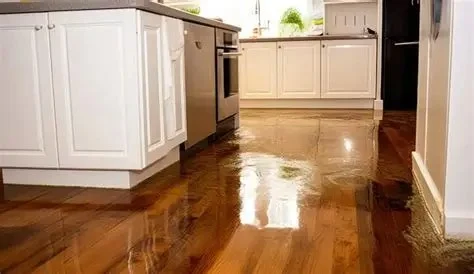
How to Restore Water-Damaged Flooring After Flooding
- 1. Understanding Water Damage to Flooring
- 2. Steps for Restoring Water-Damaged Flooring
- 3. Types of Flooring and Restoration Methods
- 4. How to Prevent Future Water Damage
- 5. Where to Get Help for Flooring Restoration
Water damage to flooring, particularly after flooding, can be a devastating problem for homeowners. Whether caused by heavy rainfall, broken pipes, or rising water levels, the effects of water on your floors can lead to mold, structural damage, and costly repairs. Understanding how water damages different flooring types and what you can do to restore it is essential for minimizing the impact and restoring your home to its pre-damaged state.
SERVPRO of Pompano Beach / servpro fort lauderdale south
Pompano BeachBroward CountyFlorida
2101 NW 33rd St #200a, Pompano Beach, FL 33069, USA
1. Steps for Restoring Water-Damaged Flooring
Restoring water-damaged flooring after a flood requires prompt action and proper techniques. Here's a step-by-step guide:
1.1 Assess the Damage
The first step is to assess the extent of the water damage. Check for any visible signs of warping, discoloration, or mold growth. If the water has been present for a prolonged period, the damage could be more severe. It's essential to document the damage for insurance purposes, as well as to understand the necessary restoration efforts.
1.2 Remove Excess Water
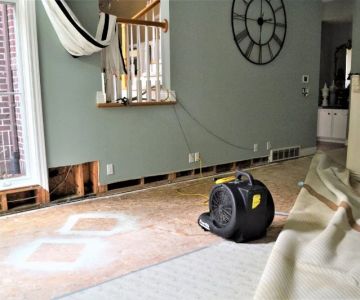
Before starting any restoration work, remove any standing water using a wet/dry vacuum or a pump. Ensure the area is well-ventilated and use fans and dehumidifiers to dry the floor as much as possible. The quicker you remove moisture, the better the chance of saving your flooring.
1.3 Clean and Disinfect
Once the water is removed, clean and disinfect the affected area. Mold and bacteria can grow quickly in water-damaged areas, so it’s crucial to sanitize the space thoroughly. Use a mild detergent solution or an anti-mold cleaner to wipe down the floors and surrounding areas.
1.4 Dry the Floor
After cleaning, continue using fans and dehumidifiers to dry out the flooring. Depending on the material, this may take several days. Be patient, as rushing this step could lead to further damage. For wood floors, ensure that the moisture content is checked regularly with a moisture meter to avoid warping or buckling.
1.5 Repair or Replace the Flooring
If the damage is severe, you may need to replace sections of the floor. For wooden floors, you might be able to repair small cracks or gaps with wood filler. For laminate or vinyl floors, it may be necessary to replace entire sections if they’ve warped or delaminated. Always consult a professional if you’re unsure about whether to repair or replace the flooring.
2. Types of Flooring and Restoration Methods
The method of restoration depends on the type of flooring in your home. Here’s how different types of flooring react to water damage and how to restore them:
2.1 Hardwood Flooring
Wooden floors are especially susceptible to water damage. When exposed to water, wood can swell, warp, and develop mold. If the damage is minimal, sanding, refinishing, and using dehumidifiers may help. However, if the wood has swollen or buckled, replacing the affected planks may be necessary.
2.2 Carpet
Carpets can absorb water, leading to mold and mildew. If the carpet is soaked, it should be removed and replaced. In some cases, professional cleaning can save carpets that haven’t been affected by mold.
2.3 Laminate and Vinyl Flooring
Laminate and vinyl floors are less likely to be damaged by water, but if left for too long, they can delaminate or bubble. In such cases, the affected areas should be replaced. However, if only the surface layer is damaged, repairing the boards may suffice.
2.4 Tile Flooring
Tile floors are more resilient to water, but grout can absorb moisture, leading to mold growth. Cleaning and re-grouting the tiles may restore their condition. In severe cases, replacing the grout or tiles may be necessary.
3. How to Prevent Future Water Damage
After restoring your floors, it's crucial to take steps to prevent future water damage:
3.1 Seal the Floors
Consider sealing your floors with a waterproofing product, especially if you live in an area prone to flooding. This will provide an additional layer of protection against water damage.
3.2 Regular Maintenance
Regularly inspect your flooring for signs of wear and tear. Address leaks or water issues as soon as they arise to prevent further damage. Keep gutters clean, repair plumbing issues, and ensure your home’s foundation is in good condition to minimize the risk of flooding.
3.3 Install Flood Barriers
If your area is prone to flooding, consider installing flood barriers or sump pumps in your home. These tools can help prevent water from entering your home and damaging your floors.
4. Where to Get Help for Flooring Restoration
If you’re unsure about restoring your water-damaged flooring yourself, consider reaching out to professionals. At Reliable Damage Hub, we offer expert restoration services, including water damage cleanup, mold remediation, and flooring restoration. Our team of professionals can help restore your floors and provide peace of mind during a stressful time.
Visit Reliable Damage Hub today to learn more about our services and get the best products for your restoration needs.
 Good Roads Water Damage Experts5.0 (1 reviews)
 R&R Foundation Specialist4.0 (305 reviews)
 MJ White4.0 (102 reviews)
 ATI Restoration3.0 (25 reviews)
 Modernistic4.0 (251 reviews)
 ServiceMaster Cleaning Services4.0 (27 reviews)
 Water Damage Restoration for Retail Spaces – Expert Tips and Real Cases
 How to Prevent and Repair Water Damage in Commercial Properties
 How to Protect Your Home’s Electrical System from Water Damage: Essential Tips
 Flooded Basement? Here’s How to Restore It Safely
 How to Handle Water Damage After a Storm: A Step-by-Step Guide
 How to Handle Water Damage from Burst Pipes: A Step-by-Step Guide