
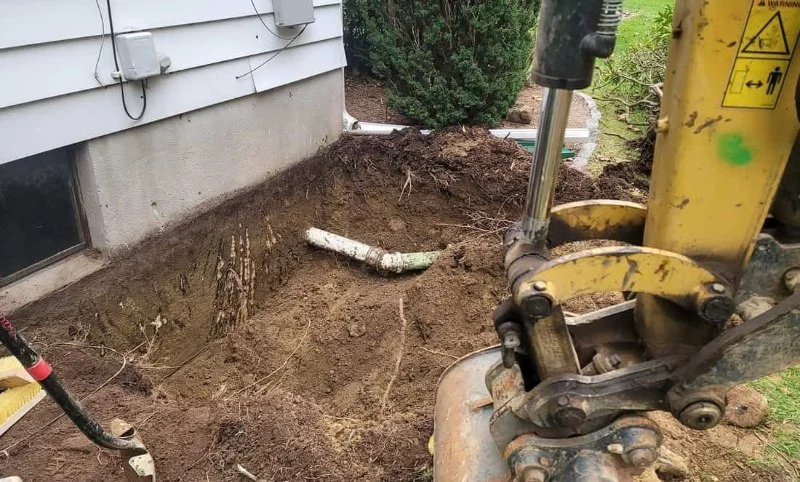
1. Early Warning Signs of Water Line Damage
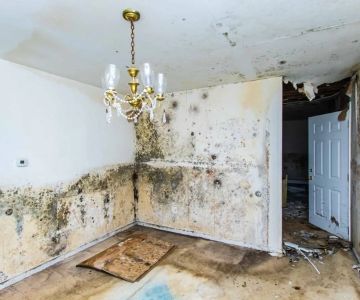
Water damage rarely starts with a dramatic flood. In most U.S. homes, it begins quietly behind walls, under floors, or above ceilings. One of the first clues homeowners notice is unexplained discoloration on drywall or ceilings. These stains often appear yellowish or brown and slowly expand over time.
Another common indicator is a sudden increase in water bills. When usage habits stay the same but costs rise, a hidden water line leak is often the culprit. Musty odors can also signal trapped moisture, even when no visible water is present.
Floors that feel unusually warm or soft underfoot may point to leaking hot water lines beneath the surface. Paying attention to these subtle changes can prevent much larger repair bills later.

Kustom US Restoration / kustom restoration
1215 W Houston Ave Suite A, Gilbert, AZ 85233, USA
2. Understanding How Faulty Water Lines Cause Damage
Water lines fail for many reasons, and understanding these causes helps homeowners respond effectively. Aging pipes are a major factor, especially in older homes with galvanized steel or early copper plumbing.
Giants / dry kings restoration of san francisco
San FranciscoSan Francisco CountyCalifornia
685 Geary Blvd, San Francisco, CA 94102, USA
2.1 Material Wear and Corrosion
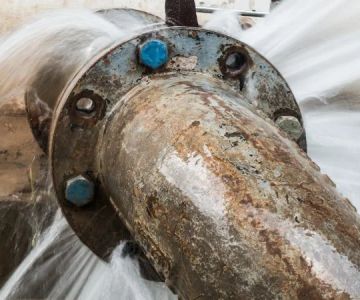
Over time, minerals in water slowly corrode pipe interiors. Small pinhole leaks form and release moisture continuously. While the leak may seem minor, constant exposure allows water to spread into insulation, wood framing, and drywall.
2.2 Poor Installation or Past Repairs
Improperly installed joints or low-quality repair work can fail years later. Many homeowners discover damage long after a renovation, unaware that a weak connection was slowly leaking behind a wall.
2.3 Temperature and Pressure Stress
In colder regions of the U.S., temperature fluctuations place stress on pipes. Combined with high water pressure, this stress increases the likelihood of cracks and joint separation.
3. How to Confirm the Source of the Problem
Before repairs begin, identifying the exact source of water damage is critical. Guessing often leads to incomplete fixes and recurring problems.
3.1 Visual and Moisture Inspection
Start by examining areas near visible damage. Moisture meters, often used by professionals, help detect dampness inside walls without invasive demolition. Even a small inspection opening can reveal active leaks.
3.2 Water Pressure and Meter Testing
Turning off all fixtures and checking the water meter is a simple but effective test. If the meter continues moving, a hidden leak is likely present somewhere in the water line system.
3.3 Professional Assessment When Needed
When damage is widespread or unclear, professional inspections offer clarity. Platforms like Reliable Damage Hub often help homeowners compare services and find specialists experienced in water line damage evaluation.
4. Practical Steps to Fix Water Line-Related Damage
Fixing water damage involves more than stopping the leak. Addressing both the plumbing issue and the resulting structural impact ensures long-term safety.
4.1 Repairing or Replacing the Faulty Line
Minor leaks may be resolved with targeted pipe repairs, while older systems often benefit from partial or full replacement. Modern materials provide better resistance to corrosion and pressure changes.
4.2 Drying and Remediation
Once the water source is controlled, drying affected areas becomes essential. Trapped moisture leads to mold growth and wood rot. Dehumidification and controlled airflow are commonly used during remediation.
4.3 Restoring Damaged Surfaces
Damaged drywall, flooring, and insulation should be replaced rather than patched. Proper restoration not only improves appearance but also restores structural integrity.
5. Real Cases of Hidden Water Line Failures
A widely shared homeowner story involved a family who noticed faint ceiling stains but delayed action. Months later, a small copper pipe leak had soaked insulation and weakened ceiling joists, leading to extensive repairs.
Another case involved a slab foundation home where warm floor spots went unnoticed. A leaking hot water line eventually caused floor tile cracking and significant moisture damage beneath the slab.
These real-world examples show how early detection dramatically reduces repair costs and disruption.
6. Preventing Future Water Damage Long-Term
Prevention starts with awareness. Regularly monitoring water bills, checking visible plumbing, and addressing small issues promptly lowers risk.
Periodic professional inspections are especially valuable in older homes. Using reliable resources such as Reliable Damage Hub helps homeowners identify reputable products and services that align with long-term protection goals.
When homeowners understand how to identify and fix water damage from faulty water lines, they gain control over one of the most common and costly household threats. Proactive care not only protects property value but also provides peace of mind.

 Jenkins Environmental Services5.0 (63 reviews)
 SERVPRO of The Saint Croix Valley4.0 (105 reviews)
 East Cesar5.0 (6 reviews)
 PuroClean of Springfield4.0 (28 reviews)
 Commercial Cleaning & Restoration4.0 (70 reviews)
 Extra Effort Carpet & Upholstery Cleaning4.0 (41 reviews)
 How to Deal with Water Damage After an Underground Pipe Break
 The Role of Water Restoration Companies in Preventing Further Damage
 Top 5 Water Damage Restoration Myths Debunked: What You Need to Know
 How to Repair Water Damage from Leaky Appliances: A Step-by-Step Guide
 Water Damage Repair for Flooring Transitions: Expert Guide for Homeowners
 How to Handle Water Damage from Basement Condensation