
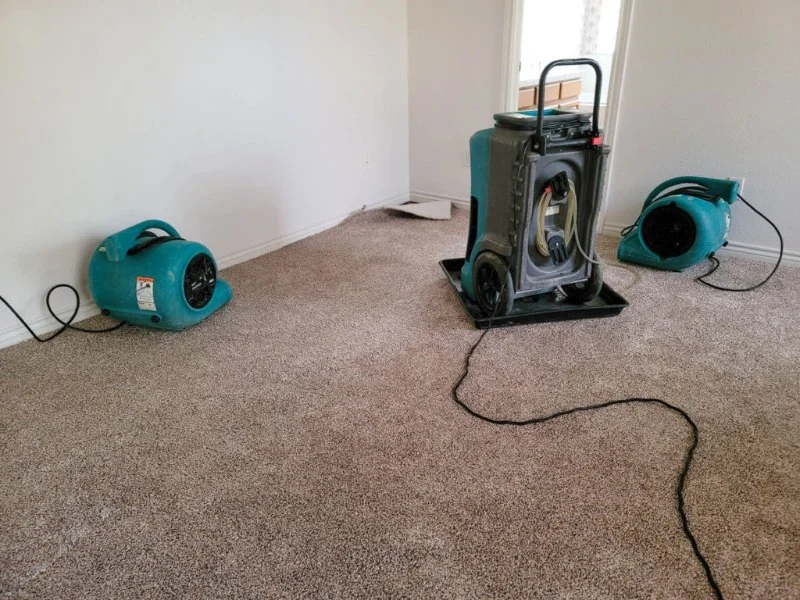
Water Damage Restoration for Rental Properties: What Tenants Should Know
- 1. Understanding Water Damage in Rental Properties
- 2. Steps to Take When Water Damage Occurs
- 3. Tenant Rights and Responsibilities in Case of Water Damage
- 4. How to Prevent Water Damage in Your Rental Property
1. Understanding Water Damage in Rental Properties
Water damage in rental properties is a common issue, whether caused by burst pipes, heavy rainfall, or faulty appliances. It can lead to costly repairs, disrupt daily living, and potentially affect the health and safety of tenants. Understanding the causes and signs of water damage is crucial for tenants to address the issue promptly and prevent further damage.
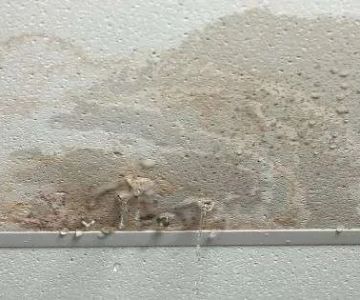
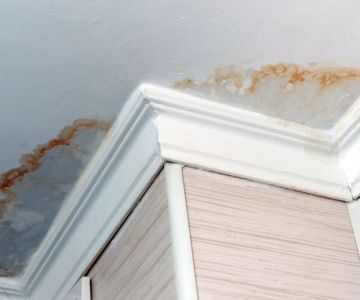
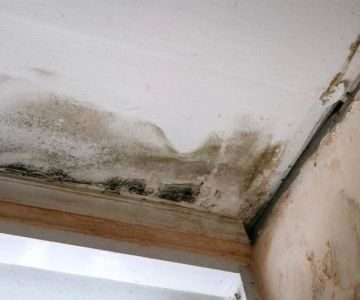
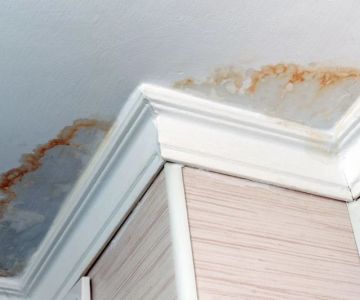
Water damage typically manifests in the form of water stains on walls, ceilings, or floors, musty odors, or visible mold growth. If left unchecked, water can seep into structural components, weaken foundations, and damage personal belongings. As a tenant, it's important to be proactive in identifying any signs of water damage and reporting them to the landlord or property manager as soon as possible.

Wizard Restorations Inc / puroclean of san fernando
Rancho CucamongaSan Bernardino CountyCalifornia
10245 8th St, Rancho Cucamonga, CA 91730, USA
2. Steps to Take When Water Damage Occurs
If you discover water damage in your rental property, immediate action is necessary to minimize the damage. Here's a step-by-step guide to help you manage the situation:
- Report the Issue Immediately: Contact your landlord or property management team right away to inform them of the water damage. The sooner they are notified, the quicker the necessary repairs can begin.
- Document the Damage: Take photos or videos of the damage, including any standing water, damaged furniture, and affected areas. This documentation will be helpful for insurance claims or legal purposes.
- Prevent Further Damage: If it's safe to do so, try to contain the water and prevent it from spreading. For example, you can use towels to absorb excess water or close any valves to stop the flow if the damage is caused by a leak.
- Ensure Safety: Water damage can lead to electrical hazards. Turn off the power supply to affected areas if necessary, and avoid using electrical appliances or outlets in the damaged zones until assessed by professionals.
3. Tenant Rights and Responsibilities in Case of Water Damage
As a tenant, it's essential to understand your rights and responsibilities when water damage occurs. While landlords are generally responsible for maintaining the property and ensuring it’s safe to live in, tenants also have a role in preventing damage and mitigating its effects.
According to tenant laws in most states, landlords are obligated to repair water damage caused by issues like leaky roofs, plumbing failures, or faulty appliances. However, if the water damage is due to tenant negligence (e.g., leaving windows open during a storm), the tenant may be responsible for the repairs.
Additionally, tenants are required to report any water damage promptly to avoid exacerbating the problem. Delayed reporting could result in the tenant being held responsible for the additional damage caused by their inaction. Always refer to your lease agreement for specific terms regarding water damage and repairs.
SERVPRO of Pompano Beach / servpro of santa maria
Pompano BeachBroward CountyFlorida
2101 NW 33rd St #200a, Pompano Beach, FL 33069, USA
4. How to Prevent Water Damage in Your Rental Property
Prevention is key when it comes to water damage. While some issues are beyond your control, there are steps you can take to minimize the risk:
- Check for Leaks Regularly: Inspect plumbing fixtures, pipes, and appliances for leaks. Report any issues to your landlord immediately to prevent further damage.
- Maintain Proper Ventilation: Ensure that your rental property is well-ventilated, especially in areas like the kitchen and bathroom, to prevent condensation buildup, which can lead to mold growth.
- Use Waterproof Materials: If possible, use water-resistant materials for furniture, curtains, or rugs in areas prone to moisture. Consider using a waterproof mat or liner in the kitchen or bathroom.
- Prepare for Severe Weather: During stormy seasons, take precautions to secure windows, doors, and roofing to prevent water from entering the property.
In conclusion, water damage can be a significant issue in rental properties, but with the right knowledge and proactive approach, tenants can minimize its impact. By following these steps, knowing your rights, and maintaining good communication with your landlord, you can protect your living space and prevent costly damages. For expert advice on damage restoration or repair services, visit Reliable Damage Hub for the best products and services tailored to your needs.
 Orange Coast Restore5.0 (3 reviews)
 SERVPRO of Bowie4.0 (79 reviews)
 MidSouth Water Damage & Fire Restoration Services0.0 (0 reviews)
 ServiceMaster of Anderson4.0 (20 reviews)
 ServiceMaster of Baltimore4.0 (77 reviews)
 GO Restoration Now5.0 (3 reviews)
 How to Repair Water-Damaged Wall Panels: A Step-by-Step Guide
 The Ultimate Guide to Water Damage Restoration After a Flood
 How to Prevent Water Damage During Heavy Rainfall: Essential Tips
 How to Prevent Water Damage From Leaky Appliances
 How to Handle Water Damage From Roof Leaks – Expert Tips & Solutions
 How to Safely Remove Standing Water From Your Home