
- Why You Need to Remove Standing Water
- Safety Precautions Before Starting
- Steps for Removing Standing Water
- Post-Water Removal Cleanup
Why You Need to Remove Standing Water
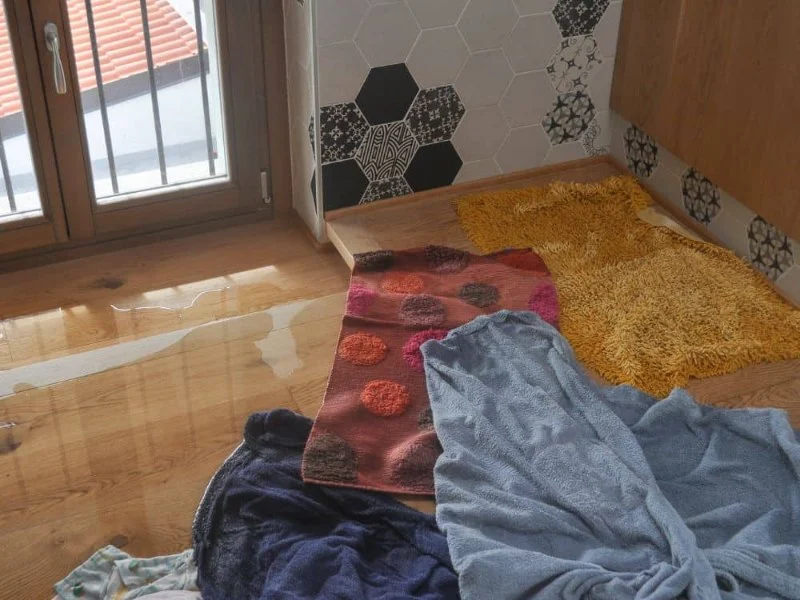
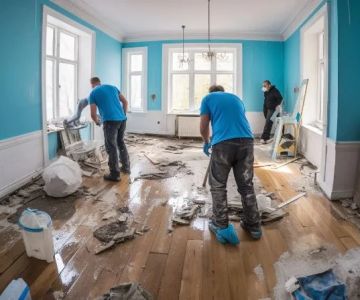
Standing water in your home can pose significant health risks and cause extensive damage if not addressed promptly. Whether caused by flooding, a burst pipe, or an unexpected leak, standing water can quickly deteriorate your property. Left unchecked, it can lead to mold growth, wood rot, and the weakening of structural elements. Moreover, stagnant water can be a breeding ground for bacteria and pests, further complicating the issue. It is essential to remove standing water quickly and efficiently to minimize these dangers.

Wizard Restorations Inc / puroclean of san fernando
Rancho CucamongaSan Bernardino CountyCalifornia
10245 8th St, Rancho Cucamonga, CA 91730, USA
Safety Precautions Before Starting
Before attempting to remove standing water, it’s crucial to prioritize safety to avoid injuries or further damage. Follow these steps to ensure your safety:
- Turn Off the Electricity: If water has accumulated near electrical outlets or appliances, turn off the power supply to avoid electrical hazards. Use a flashlight instead of electrical lighting.
- Wear Protective Gear: Wear rubber boots, gloves, and a mask to protect yourself from contaminated water, which may carry bacteria or chemicals.
- Assess the Water Source: Determine the source of the water. If it's from a sewage backup or an overflowing toilet, it's considered black water and requires more careful handling and disinfection.
Steps for Removing Standing Water
Once you’ve taken the necessary safety precautions, follow these steps to safely and effectively remove standing water from your home:
- Use a Wet-Dry Vacuum: A wet-dry vacuum is one of the most efficient tools for removing standing water. Make sure the vacuum is rated for water removal and use it to suck up as much water as possible.
- Use a Pump for Larger Areas: If you’re dealing with large amounts of water, consider using a submersible pump, which can handle large volumes and remove water quickly. Make sure to position the pump in a low area to remove as much water as possible.
- Remove Water With Towels: For areas that are hard to reach or where the water is shallow, use towels or mops to absorb the remaining water. Wring them out in a safe area away from the water.
Post-Water Removal Cleanup
After the water has been removed, cleaning and drying the affected area is crucial to prevent mold growth and further damage. Here's how to proceed:
- Dry the Area: Use fans, dehumidifiers, and open windows to circulate air and dry the area completely. The faster you dry the area, the less chance there is for mold to develop.
- Disinfect Surfaces: Once the area is dry, disinfect all surfaces that came into contact with water. Use a mixture of bleach and water (1 cup of bleach to 1 gallon of water) to sanitize floors, walls, and furniture.
- Inspect for Mold: Keep an eye out for any signs of mold growth in the coming days. If you notice any, it’s best to consult a professional mold remediation expert to ensure proper removal.
Case Study: A Family’s Experience with Flood Cleanup
Last year, the Smith family faced a major water issue after a burst pipe flooded their basement. They followed the safety precautions outlined in this guide, and with the help of a submersible pump and a wet-dry vacuum, they were able to remove the majority of the standing water within a few hours. After cleaning and drying the area, they used disinfectants and dehumidifiers to ensure that the basement remained dry. The result? No mold, no major damage, and their home was restored in no time.
Removing standing water from your home can be a challenging task, but by taking the proper steps and following the right techniques, you can minimize the risk of water damage and ensure a safer environment. If you're ever unsure about the process, don't hesitate to reach out to professionals who specialize in water damage restoration.
 Good Roads Water Damage Experts5.0 (1 reviews)
 R&R Foundation Specialist4.0 (305 reviews)
 MJ White4.0 (102 reviews)
 ATI Restoration3.0 (25 reviews)
 Modernistic4.0 (251 reviews)
 ServiceMaster Cleaning Services4.0 (27 reviews)
 Water Damage Restoration for Retail Spaces – Expert Tips and Real Cases
 How to Prevent and Repair Water Damage in Commercial Properties
 How to Protect Your Home’s Electrical System from Water Damage: Essential Tips
 Flooded Basement? Here’s How to Restore It Safely
 How to Handle Water Damage After a Storm: A Step-by-Step Guide
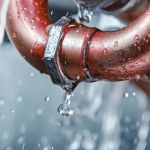 How to Handle Water Damage from Burst Pipes: A Step-by-Step Guide