
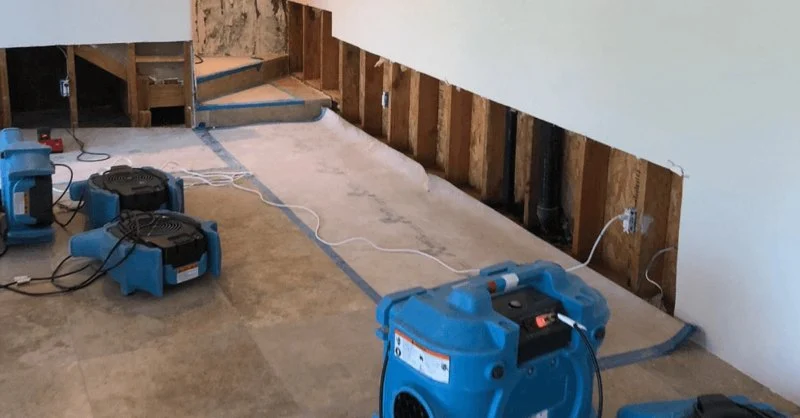
How to Dry Out Water-Damaged Insulation
- Why Drying Water-Damaged Insulation Is Important
- Steps to Dry Out Water-Damaged Insulation
- Choosing the Right Drying Method for Your Insulation
- Common Challenges and Solutions in Drying Insulation
- When to Replace Water-Damaged Insulation
Why Drying Water-Damaged Insulation Is Important
Water-damaged insulation can be a major issue for homeowners, causing both immediate and long-term damage to your property. Insulation serves as a critical barrier, preventing heat loss and maintaining comfort in your home. However, when it becomes wet, it loses its effectiveness, allowing drafts and temperature fluctuations to occur, which can increase energy bills. Additionally, if left untreated, water-damaged insulation can lead to mold growth, poor indoor air quality, and even structural damage.
Therefore, it’s essential to address water-damaged insulation promptly to prevent further complications. In this article, we will guide you through the steps to dry out water-damaged insulation and offer practical advice on when to replace it. By following these steps, you can restore your insulation and ensure your home stays comfortable and safe.
SERVPRO of Pompano Beach / servpro fort lauderdale south
Pompano BeachBroward CountyFlorida
2101 NW 33rd St #200a, Pompano Beach, FL 33069, USA
Steps to Dry Out Water-Damaged Insulation
If you find that your insulation has been exposed to water, it’s important to act quickly to prevent long-term damage. Follow these steps to dry out water-damaged insulation effectively:
- Inspect the Damage: Start by assessing the extent of the damage. Check the affected areas, including walls, ceilings, and floors. Identify any obvious signs of moisture, mold, or mildew, and determine if the insulation is salvageable.
- Remove Excess Water: Use towels, mops, or a wet/dry vacuum to remove as much water as possible from the affected area. The more water you can remove at this stage, the easier it will be to dry the insulation.
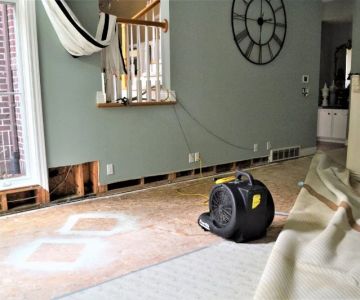
- Ventilate the Area: Open windows and doors to increase airflow, and use fans or dehumidifiers to promote evaporation. Proper ventilation is crucial in drying out insulation, as it allows moisture to escape and prevents the growth of mold and mildew.
- Remove Wet Insulation (If Necessary): In some cases, the insulation may be too waterlogged to dry effectively. If this is the case, you may need to remove the damaged insulation and replace it with new material. Insulation that has been soaked for an extended period is more likely to harbor mold, and simply drying it may not restore its insulating properties.
Choosing the Right Drying Method for Your Insulation
There are several drying methods you can use depending on the type of insulation and the severity of the water damage. Here’s an overview of the most effective methods:
- Air Drying: Air drying is the most straightforward method for drying water-damaged insulation. It involves using fans, dehumidifiers, and natural ventilation to help the insulation dry. This method is best for fiberglass or cellulose insulation that has not absorbed too much water. Ensure that the area remains well-ventilated for maximum effectiveness.
- Blower Drying: If air drying is not sufficient, consider using high-powered blowers. These devices push warm, dry air into the insulation, helping it dry out faster. Blower drying is ideal for dense or thick insulation materials that take longer to dry.
- Freeze Drying: For more severe cases, freeze drying may be necessary. This method involves freezing the insulation to prevent further water damage and then using specialized equipment to remove the moisture through sublimation. It’s an advanced technique typically used by professionals for valuable or difficult-to-replace insulation materials.
Common Challenges and Solutions in Drying Insulation
While drying water-damaged insulation is essential, it can come with its own set of challenges. Here are some common problems you might encounter and solutions to help overcome them:
- Mold Growth: Mold can develop quickly on wet insulation. To prevent mold, it’s crucial to dry the insulation as soon as possible. If mold is already present, you may need to remove the affected insulation and clean the area with a mold-killing solution before replacing it.
- Persistent Moisture: Sometimes, even after applying drying methods, the insulation remains damp. If this happens, consider using a dehumidifier or professional drying services to speed up the process.
- Hard-to-Reach Areas: Insulation in hard-to-reach spaces (such as attic corners or walls) can be challenging to dry. In these cases, consider using long-handled tools or a professional drying service to ensure that the moisture is fully removed.
When to Replace Water-Damaged Insulation
In some cases, drying water-damaged insulation simply isn’t enough to restore its effectiveness. Here are some indicators that it’s time to replace your insulation:
- Severe Mold or Mildew Growth: If mold or mildew has spread throughout the insulation, it’s best to remove and replace it. Mold can be difficult to eliminate completely, and it may pose health risks to your family.
- Long-Term Saturation: If the insulation has been saturated with water for an extended period (more than 48 hours), it may have lost its ability to insulate properly. Wet insulation can lose its R-value, meaning it no longer provides the same level of energy efficiency.
- Physical Damage: If the insulation material has become compressed, sagging, or broken apart due to water damage, it’s time for replacement. Damaged insulation won’t be able to provide adequate thermal protection.
Replacing water-damaged insulation is often the best solution for ensuring your home remains comfortable and energy-efficient. If you need advice on the best insulation materials or professional services, check out Reliable Damage Hub for recommendations and tips on how to choose the right products for your needs.
 Good Roads Water Damage Experts5.0 (1 reviews)
 R&R Foundation Specialist4.0 (305 reviews)
 MJ White4.0 (102 reviews)
 ATI Restoration3.0 (25 reviews)
 Modernistic4.0 (251 reviews)
 ServiceMaster Cleaning Services4.0 (27 reviews)
 Water Damage Restoration for Retail Spaces – Expert Tips and Real Cases
 How to Prevent and Repair Water Damage in Commercial Properties
 How to Protect Your Home’s Electrical System from Water Damage: Essential Tips
 Flooded Basement? Here’s How to Restore It Safely
 How to Handle Water Damage After a Storm: A Step-by-Step Guide
 How to Handle Water Damage from Burst Pipes: A Step-by-Step Guide