- 1. Understanding Water Damage and Its Risks
- 2. How Water Damage Affects Pets and What to Do
- 3. Step-by-Step Guide to Water Damage Restoration for Pet Owners
- 4. Pet-Safe Cleaning Solutions After Water Damage
- 5. When to Call a Professional Water Damage Restoration Service
- 6. Conclusion: Keeping Your Pets Safe During Restoration
1. Understanding Water Damage and Its Risks
Water damage can occur in various forms, from leaky pipes and broken appliances to natural disasters like floods. When you have pets, water damage presents additional risks, as the damage can affect their health, safety, and comfort. Understanding these risks is crucial for pet owners who want to mitigate potential harm to their furry friends during the restoration process.
Common causes of water damage include:
- Plumbing issues such as burst pipes or clogged drains
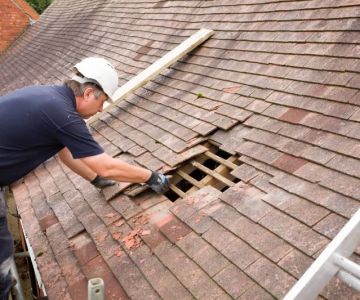
- Roof leaks from heavy rain or storms
- Overflowing appliances like washing machines or dishwashers
- Floods and natural disasters
2. How Water Damage Affects Pets and What to Do
Water damage can affect pets in various ways. For instance, standing water may contain contaminants like bacteria, mold, or harmful chemicals that could pose serious health risks to animals. Pets might also become stressed by the changes in their environment, such as loud machinery or unfamiliar smells from cleaning and drying processes.
Here’s what you need to do to protect your pets:
- Remove pets from the affected area: Ensure pets are safely relocated to a dry area away from the water-damaged zones to avoid exposure to harmful substances.
- Check for contamination: If the water is from a sewage backup or contains harmful chemicals, avoid letting pets come into contact with it. Be extra cautious when cleaning these areas.
- Provide a calm environment: Stress can be a significant factor for pets during restoration. Keep their environment calm and quiet while repairs are underway.
3. Step-by-Step Guide to Water Damage Restoration for Pet Owners
When dealing with water damage, follow these steps to ensure the safety of your home and pets:
- Shut off the water supply: If the water damage is caused by a plumbing issue, turn off the main water valve to prevent further flooding.
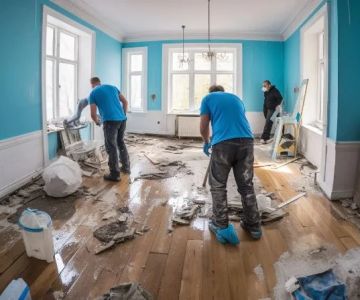
- Remove standing water: Use pumps or wet vacuums to remove as much standing water as possible. Make sure pets are kept far from the affected areas during this time.
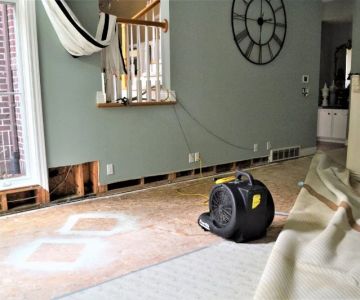
- Dry out the area: Use fans, dehumidifiers, and natural ventilation to help the space dry out. Mold can develop quickly, and keeping your space dry is essential for preventing this.
- Sanitize surfaces: Clean all surfaces, especially where pets may roam. Use pet-safe cleaners or natural cleaning solutions, like vinegar and water, to disinfect affected areas.
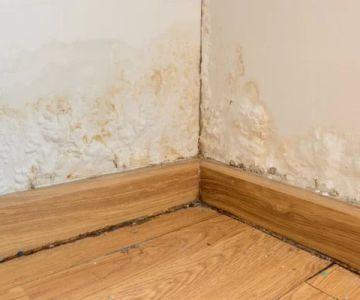
- Check for mold: Mold growth can be harmful to both pets and humans. Inspect for any mold and, if necessary, contact a mold remediation specialist.
4. Pet-Safe Cleaning Solutions After Water Damage
When cleaning up after water damage, it’s essential to choose pet-safe cleaning products. Many commercial cleaners contain harsh chemicals that could be harmful to your pets if ingested or inhaled. Here are some pet-safe options to consider:
- Vinegar and Water: A simple and effective solution to disinfect surfaces and neutralize odors.
- Baking Soda: Use baking soda to absorb moisture and odors. It's a safe option for pets and can be sprinkled on carpets, floors, and furniture.
- Castile Soap: This gentle soap can be used to clean floors and surfaces without harming your pets.
- Pet-Safe Commercial Cleaners: Look for cleaning products labeled as safe for pets. These products are formulated with non-toxic ingredients and are safe for use around animals.
5. When to Call a Professional Water Damage Restoration Service
Sometimes, water damage can be more extensive than what homeowners can handle on their own. If you encounter the following issues, it’s best to call in a professional:
- Widespread flooding or persistent standing water
- Damage that affects structural integrity, such as weakened walls or ceilings
- Presence of black mold or other hazardous substances
- If your insurance policy covers professional restoration
Hiring a professional restoration service ensures that the water damage is addressed quickly and thoroughly, minimizing further risks to both your home and pets.

Wizard Restorations Inc / puroclean of san fernando
Rancho CucamongaSan Bernardino CountyCalifornia
10245 8th St, Rancho Cucamonga, CA 91730, USA
6. Conclusion: Keeping Your Pets Safe During Restoration
Water damage restoration can be a daunting task for any homeowner, especially those with pets. By understanding the risks and following the right steps to protect both your home and pets, you can ensure a safe and successful restoration process. If you're unsure about handling the situation on your own, contacting professionals can help you manage the repairs and ensure your pets are kept safe throughout the process.
For more resources, products, or services related to water damage restoration, visit Reliable Damage Hub, where you can find the best tools and experts to help restore your home.
 Good Roads Water Damage Experts5.0 (1 reviews)
 R&R Foundation Specialist4.0 (305 reviews)
 MJ White4.0 (102 reviews)
 ATI Restoration3.0 (25 reviews)
 Modernistic4.0 (251 reviews)
 ServiceMaster Cleaning Services4.0 (27 reviews)
 Water Damage Restoration for Retail Spaces – Expert Tips and Real Cases
 How to Prevent and Repair Water Damage in Commercial Properties
 How to Protect Your Home’s Electrical System from Water Damage: Essential Tips
 Flooded Basement? Here’s How to Restore It Safely
 How to Handle Water Damage After a Storm: A Step-by-Step Guide
 How to Handle Water Damage from Burst Pipes: A Step-by-Step Guide