
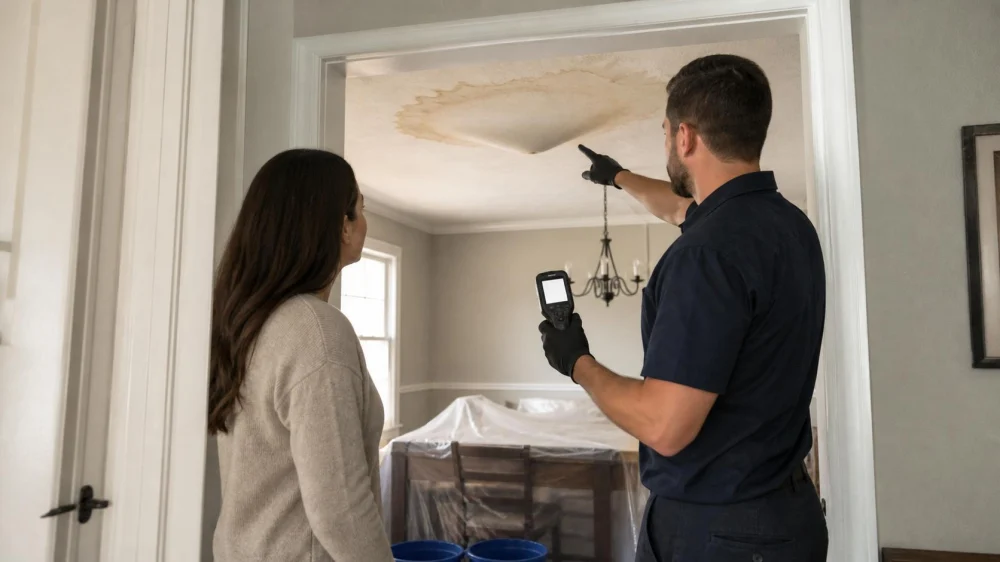
Water Bulge in the Ceiling: Keep Clear and Stop the Source
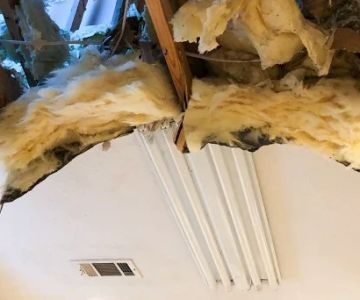
A sagging, swollen, or dripping ceiling can hold water and weakened material above the room. It may collapse without much warning, and nearby lights or wiring add electrical risk. The safest first response is to move people away, stop the water only when it can be done safely, and call qualified help—not to stand beneath the bulge and puncture it.
Clear the Area
Move everyone, including pets, out from beneath and around the damaged ceiling. Close the room if possible and use a barrier from a safe location. Do not retrieve furniture under a rapidly growing bulge. Upstairs occupants should avoid the suspected wet floor area. Plaster, drywall, insulation, fixtures, and stored items can fall together and be much heavier than they appear.
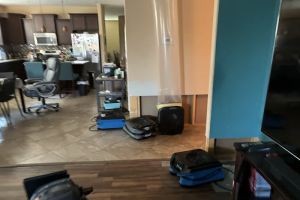
Drip Restoration / valleywide restoration mesa az
932 S Stapley Dr, Mesa, AZ 85204, USA
Recognize an Emergency
Call emergency services for active fire, smoke, sparking, collapse, trapped people, major structural movement, or water contacting dangerous electrical equipment when power cannot be safely isolated. Leave the building if authorities or conditions require it. A ceiling below sewage, storm flooding, or contaminated water also needs specialized precautions; do not treat it like clean tap water.

Wizard Restorations Inc / puroclean of san fernando
Rancho CucamongaSan Bernardino CountyCalifornia
10245 8th St, Rancho Cucamonga, CA 91730, USA
Consider the Source
From a safe area, note what is above the damage: bathroom, appliance, plumbing line, attic, roof, or another unit. Timing can help—rain, fixture use, or appliance operation—but stains can travel along framing and emerge far from the source. Do not enter a wet attic, climb onto the roof, or cut the ceiling to trace the leak yourself.
Stop Water Safely
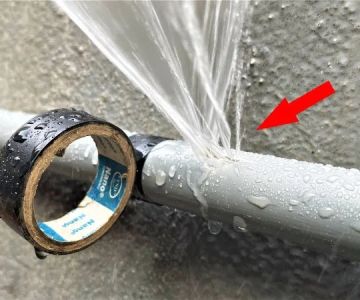
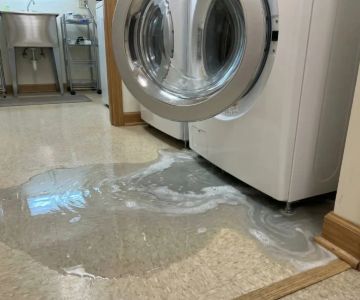
If a known fixture or appliance can be shut off without entering the collapse zone or touching wet electrics, stop its use and close the appropriate valve. For an unknown pressurized plumbing leak, use the main shutoff if you already know it is safe and operable. Do not force a stuck valve. Notify a landlord, building manager, plumber, or utility as applicable.
Treat Electricity Carefully
Stay away from wet lights, fans, outlets, switches, cords, and the electrical panel if the route or panel is damp. Do not touch a switch in the affected room. A qualified electrician or emergency responder may need to isolate and inspect the circuit. Turning off one wall switch does not prove wiring above the ceiling is de-energized.
Document From a Distance
Photograph the ceiling, floor, walls, and source clues from outside the hazard area. Record when the damage was found, changes in size, weather, recent water use, shutoff actions, and contacts made. Use zoom rather than stepping closer. Preserve receipts and communications for insurance, property management, and contractor review, but prioritize immediate safety over complete documentation.
Call the Right Help
Contact the property owner or insurer as required, plus a plumber or roofer to stop the source, an electrician for electrical exposure, and a qualified water-damage professional to assess moisture and materials. Structural evaluation may be needed after major saturation or collapse. Confirm credentials, scope, emergency rates, and authorization before non-emergency demolition begins.
Limit Spread Safely
Only if the ceiling is stable and the collection point can be approached without standing under damage, place containers under ordinary drips from outside the danger zone. Protect unaffected belongings elsewhere. Do not puncture the bulge, brace it with furniture, run an extension cord through water, or place a household fan where it could aerosolize contamination or contact electricity.
Dry Beyond the Surface
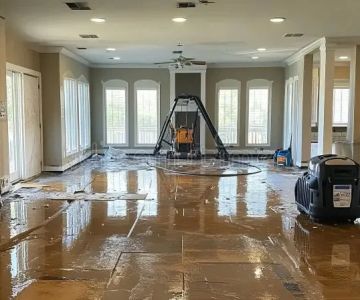
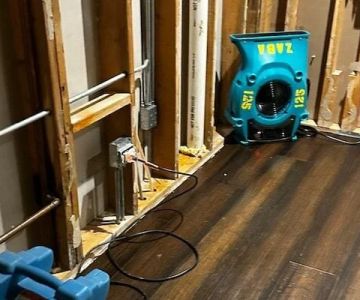
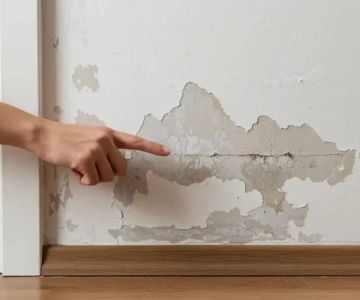
A ceiling surface can look dry while insulation, framing, cavities, and finishes remain wet. Professionals may use moisture measurements, controlled removal, dehumidification, and air movement based on water category and materials. Do not paint over the stain or close the cavity before drying goals and contamination concerns are resolved. Improper drying can conceal deterioration and microbial growth.
Repair and Verify
Before reconstruction, obtain documentation that the source was repaired and affected assemblies were evaluated. Coordinate ceiling, insulation, electrical, plumbing, roofing, and paint scopes. Keep photos of hidden conditions and replacement materials. After completion, monitor the area through similar rain or water use and report renewed staining, odour, sagging, tripped circuits, or dampness promptly.
Keep household members informed while the room is closed. Post a simple warning at every entrance, relocate daily essentials, and tell cleaners, caregivers, and visitors not to cross barriers. If you must leave the property, confirm who monitors the leak, utilities, and drying equipment. Do not assume a bucket makes an unattended room safe. Update the insurer or manager when the bulge changes, the ceiling falls, or the source is stopped, and save each instruction in the claim or repair file.
A water-filled ceiling is not a do-it-yourself drainage project. Clear the room, stop the source only from a safe point, avoid electricity and overhead material, document from a distance, and coordinate qualified trades. The repair is complete only when both the leak and concealed moisture are addressed.
 ServiceMaster DSI - Wichita4.0 (57 reviews)
 Grand Rapids Building Repair Inc3.0 (8 reviews)
 AdvantaClean of York County and South Charlotte5.0 (68 reviews)
 Remodeling3.0 (49 reviews)
 HRC Waterproofing4.0 (72 reviews)
 1-800-Textiles USA4.0 (32 reviews)
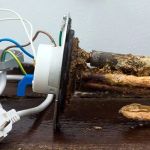 How to Prevent Water Damage in Your Home’s Electrical System
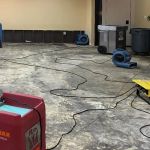 How to Dry Your Home After a Major Water Leak: Essential Steps
 How to Handle Water Damage From Overflowing Toilets: Tips and Solutions
 What Is Black Water and How to Handle It After Water Damage
 Top 5 Water Damage Restoration Myths Debunked
 Water Damage Odor Log: What to Record for Restorers